
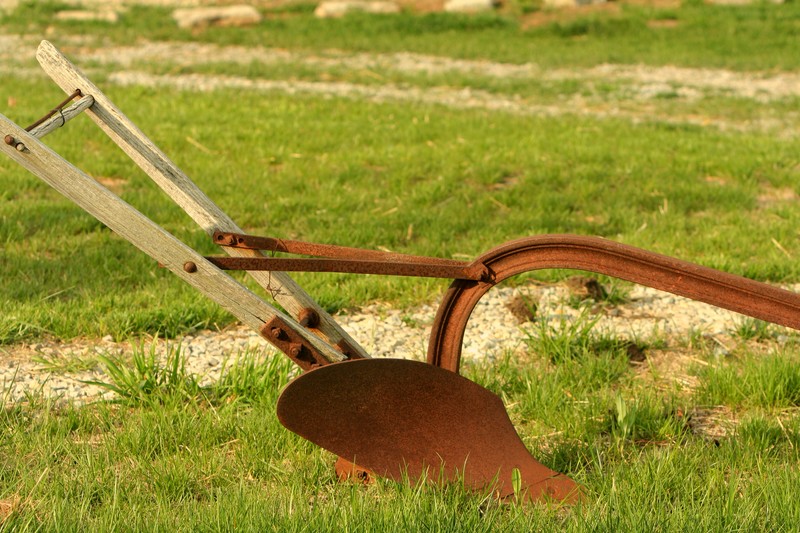
Have you ever come across the term “plowshare” while reading the Bible and wondered about its significance? In this blog post, we will delve into the meaning and symbolism of a plowshare in the Bible. Understanding the reference to a plowshare can provide valuable insights into biblical teachings and principles that are still relevant today.
Exploring the concept of a plowshare in the Bible can offer us a deeper understanding of agriculture practices during biblical times and how they are used metaphorically to convey spiritual truths. By uncovering the symbolism behind a plowshare, we can gain a fresh perspective on passages that mention this object and extract timeless lessons that can enrich our faith journey. Join us as we unravel the mysteries surrounding the mention of a plowshare in the Bible and discover its profound significance for believers.
Understanding the Symbolism of Plowshares in the Bible
In the Bible, a plowshare holds symbolic significance representing peace and transformation. The concept of the plowshare is mentioned several times in the Old Testament, particularly in prophecies that look forward to a time of peace and prosperity.
The most well-known reference to plowshares in the Bible comes from the book of Isaiah, specifically in Isaiah 2:4 which states, “And they shall beat their swords into plowshares, and their spears into pruning hooks: nation shall not lift up sword against nation, neither shall they learn war anymore.” This verse is often interpreted as a vision of a peaceful future where weapons of war are transformed into tools for cultivation and growth.
The idea of turning swords into plowshares represents a shift from conflict and destruction to productivity and abundance. It symbolizes a transformation from violence to peace, from division to unity. This imagery is powerful in its message of hope and reconciliation, highlighting the potential for change and renewal even in the midst of strife and turmoil.
The image of plowshares also appears in the book of Micah, another prophet who foretold a time of peace and harmony. In Micah 4:3, it is written, “He shall judge between many peoples, and shall arbitrate between strong nations far away; they shall beat their swords into plowshares, and their spears into pruning hooks; nation shall not lift up sword against nation, neither shall they learn war anymore.” Once again, this verse emphasizes the cessation of conflict and the establishment of lasting peace.
The symbolism of the plowshare in the Bible is a reminder of the transformative power of God’s grace and the potential for redemption and renewal. It serves as a call to action for individuals and communities to work towards peace and reconciliation, to strive for understanding and cooperation rather than discord and enmity. By embracing the imagery of plowshares, we are challenged to cultivate a world where violence is replaced by harmony, where division gives way to unity, and where hope triumphs over despair.
What does it mean to turn swords into plowshares?
In the Bible, the phrase “turn swords into plowshares” originates from the book of Isaiah 2:4. It symbolizes peaceful transitions and transformation. The verse reads, “And he shall judge among the nations, and shall rebuke many people: and they shall beat their swords into plowshares, and their spears into pruninghooks: nation shall not lift up sword against nation, neither shall they learn war any more.”
This verse is often interpreted to mean that instead of investing in weapons of war or conflict, people should focus on peaceful activities like agriculture and cultivation. It signifies a hope for a future of peace and harmony among nations, where there is no need for weapons or warfare. The imagery of turning swords into plowshares represents a shift from violence and destruction to productivity and growth.
What is the purpose of a Plowshare?
In the Bible, a plowshare symbolizes peace and agricultural prosperity. It is mentioned in Isaiah 2:4, where it says, “He will judge between the nations and will settle disputes for many peoples. They will beat their swords into plowshares and their spears into pruning hooks. Nation will not take up sword against nation, nor will they train for war anymore.” This verse is often interpreted as a vision of a future where war and conflict will be replaced by peace and harmony, represented by the act of turning weapons of destruction into tools for farming and cultivation.
What does beat their swords into plowshares and their spears into pruning hooks mean?
In the Bible, the phrase “beat their swords into plowshares and their spears into pruning hooks” comes from the Book of Isaiah in the Old Testament. This verse is found in Isaiah 2:4 and is often interpreted as a call for peace and disarmament. It symbolizes the transformation of instruments of war into tools for agriculture and peaceful purposes. The idea behind this symbolic image is to emphasize moving away from conflict and violence towards harmony and productivity. It conveys a message of turning weapons of destruction into tools for creation and growth.
What does the Bible say about plowshares and pruning hooks?
In the Bible, the phrase about plowshares and pruning hooks is found in the Book of Isaiah 2:4, which says:
“They will beat their swords into plowshares and their spears into pruning hooks. Nation will not take up sword against nation, nor will they train for war anymore.”
This verse symbolizes a vision of peace and prosperity, where warfare and conflict are transformed into activities of agriculture and cultivation. It represents a longing for a world without violence or conflict, where resources are used for constructive purposes rather than destruction.
The powerful imagery of turning weapons of war into tools for planting and harvesting serves as a reminder of God’s desire for reconciliation and harmony among people. It inspires believers to pursue peace and work towards a world free from violence and conflict.