
Have you ever wondered about the true meaning of judgment in the Bible? This concept is often misunderstood and carries various interpretations. In this blog post, we will delve into the significance of judgment in the Bible and how understanding it can deepen your faith and relationship with God.
Exploring the meaning of judgment in the Bible can provide valuable insights into God’s character and His ultimate plan for humanity. By gaining a clearer understanding of this concept, you will be equipped to navigate life’s challenges with a renewed sense of purpose and conviction. Join us as we unpack the rich layers of meaning behind judgment in the Bible and discover the profound wisdom it holds for our lives.
Understanding the Significance of Judgment in the Bible
Judgement in the Bible carries significant theological and ethical implications, reflecting God’s role as the ultimate Judge of humanity. The concept of judgement is deeply rooted in various biblical narratives and teachings, shaping the understanding of moral responsibility, accountability, and divine justice.
In the Old Testament, judgement is often depicted as a process through which God evaluates human actions according to His moral standards. The Hebrew word for judgement, “mishpat,” encompasses not only legal rulings but also principles of fairness and righteousness. This reflects the belief that God judges individuals and nations based on their adherence to His commandments and their treatment of others.
The prophets play a crucial role in proclaiming God’s judgement upon Israel and other nations for their disobedience and injustice. For instance, Amos condemns social injustices and moral corruption, warning of impending judgement if the people do not repent. Isaiah emphasizes the importance of justice and righteousness in the eyes of God, asserting that judgement will be executed with both severity and mercy.
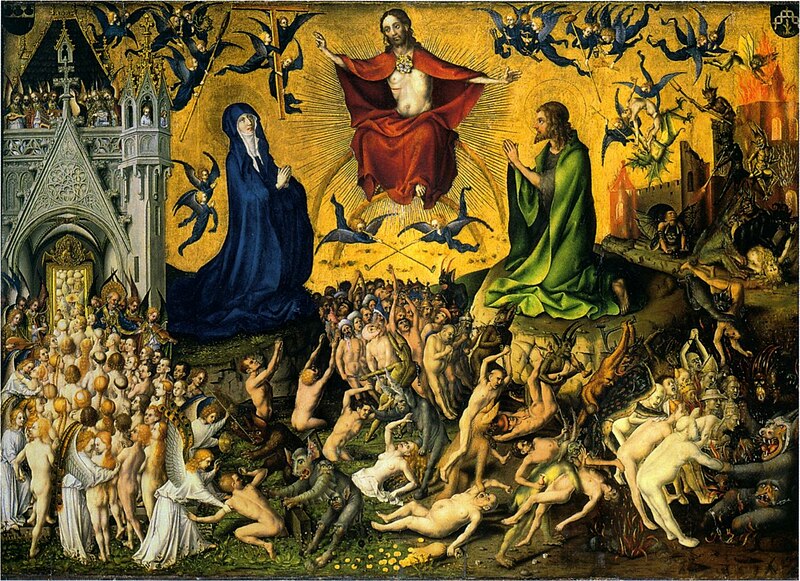
In the New Testament, judgement is a central theme in Jesus’ teachings, particularly in the context of the coming Kingdom of God. Jesus warns of the final judgement, in which all people will be held accountable for their deeds and attitudes. This judgement will be based on one’s response to the message of salvation and their treatment of the marginalized and vulnerable.
The apostle Paul also addresses the concept of judgement in his letters, highlighting the tension between God’s righteousness and human sinfulness. He underscores the need for repentance and faith in Jesus Christ as the means of escaping divine judgement and receiving forgiveness and eternal life.
Ultimately, the Bible presents judgement as an integral part of God’s redemptive plan for humanity. While judgement entails consequences for sin and disobedience, it also offers the promise of restoration and reconciliation for those who turn to God in humility and faith. As believers, we are called to live in light of God’s judgement, seeking to uphold His standards of justice, mercy, and love in our interactions with others and our stewardship of the world.
What is the definition of God’s judgment?
In the context of the Bible, God’s judgment refers to the divine decision or evaluation of a person’s actions, beliefs, and attitudes. It is the ultimate determination of whether an individual will be rewarded with eternal life in heaven or punished with eternal separation from God in hell. God’s judgment is based on His righteousness and holiness, and it serves as the final reckoning for each person’s life according to their relationship with God and adherence to His commandments. The concept of God’s judgment underscores the importance of living a faithful and obedient life in accordance with God’s will, as well as the belief in accountability for one’s choices and deeds.
What is the significance of Judgement in the Bible?
Judgement in the Bible plays a significant role in shaping the moral and ethical framework presented in the scriptures. It is often portrayed as an act of divine justice where individuals are held accountable for their actions before God. Throughout the Bible, judgement is seen as a means of upholding righteousness, punishing wrongdoing, and rewarding faithfulness.
In the Old Testament, several stories like the Flood, the destruction of Sodom and Gomorrah, and the plagues on Egypt illustrate God’s judgement upon sin and disobedience. Prophets like Isaiah, Jeremiah, and Ezekiel also spoke about the coming judgement of God upon nations and individuals who strayed from His ways.
In the New Testament, the concept of judgement is further emphasized, with Jesus teaching about the final judgement when all individuals will stand before God to give an account of their lives. This judgement is portrayed as a separation of the righteous from the wicked, with each receiving their due reward or punishment. Paul also writes about judgement in his letters, highlighting the importance of living a life in accordance with God’s will to avoid condemnation.
Overall, judgement in the Bible serves as a reminder of the accountability individuals have before God and the necessity of living a life aligned with His principles. It underscores the importance of repentance, forgiveness, and seeking righteousness to escape the judgement that awaits those who reject God’s ways.
What is the true meaning of Judgement?
In the context of the Bible, Judgement refers to the final evaluation or decision made by God regarding the actions, beliefs, and lives of individuals. This judgement is believed to occur after death, where individuals will be held accountable for their choices and deeds. The concept of Judgement emphasizes the importance of living a righteous and faithful life according to the teachings of the Bible, as it determines one’s eternal destiny in the presence of God. It serves as a reminder of the accountability and responsibility that individuals have towards their faith and actions.
What is the meaning of good Judgement in the Bible?
In the Bible, good judgment refers to the ability to make wise and righteous decisions that are in accordance with God’s will. It involves discerning between right and wrong, choosing what is morally good, and following the teachings and principles outlined in the scriptures. Proverbs 2:11 says, “Discretion will protect you, and understanding will guard you,” highlighting the importance of having good judgment in navigating life’s decisions. Ultimately, good judgment in the Bible signifies a deep understanding and application of God’s wisdom in all aspects of life.