
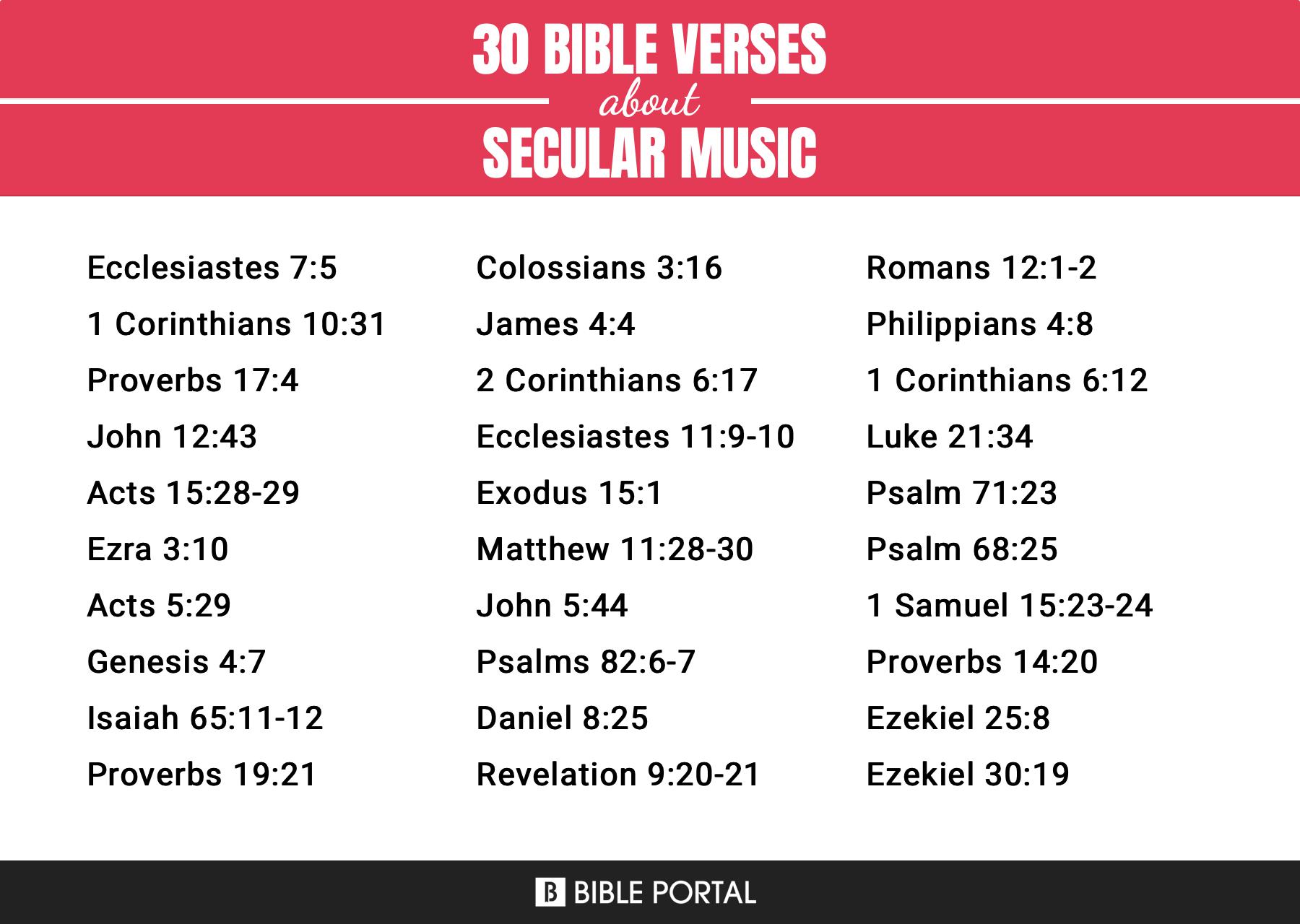
Have you ever wondered what the Bible says about listening to secular music? As a topic that sparks curiosity and debate among Christians, exploring this subject can offer valuable insights and guidance for navigating the complexities of modern culture. In this blog post, we will delve into the Scriptures to uncover timeless wisdom and principles that can help us make informed choices regarding the music we consume.
By understanding the biblical perspective on listening to secular music, we can gain clarity on how our choices in this area can impact our hearts, minds, and spiritual well-being. Through examining relevant passages and teachings, we can equip ourselves with a deeper understanding of the principles that guide us in honoring God with our music choices. Join us on this exploration as we seek to align our hearts and minds with God’s will in all aspects of our lives, including the music we listen to.
The Biblical Perspective on Engaging with Secular Music
What Does the Bible Say About Listening to Secular Music?
The topic of whether or not it is acceptable for Christians to listen to secular music is one that has sparked debate and discussion for many years. While the Bible does not explicitly mention secular music, it does provide principles and guidelines that can help us navigate this issue.
One important principle to consider is found in Philippians 4:8, where it says, “Finally, brothers and sisters, whatever is true, whatever is noble, whatever is right, whatever is pure, whatever is lovely, whatever is admirable—if anything is excellent or praiseworthy—think about such things.” This verse encourages us to focus on things that are good and uplifting, which can be applied to the music we listen to as well.
Another verse to consider is 1 Corinthians 10:31, which says, “So whether you eat or drink or whatever you do, do it all for the glory of God.” This verse reminds us that everything we do, including the music we listen to, should be done with the intention of bringing glory to God.
It is also important to remember the influence that music can have on our thoughts, emotions, and behavior. Ephesians 5:19 encourages us to “speak to one another with psalms, hymns, and spiritual songs” and to “make music in your heart to the Lord.” This verse highlights the importance of filling our minds and hearts with music that is positive and edifying.
While some may argue that listening to secular music is harmless and simply a form of entertainment, others believe that it can have a negative impact on our spiritual well-being. Proverbs 4:23 warns us to “above all else, guard your heart, for everything you do flows from it.” This verse reminds us of the importance of being mindful of what we allow into our hearts and minds, including the music we listen to.
In conclusion, while the Bible does not specifically address the issue of listening to secular music, it provides us with principles and guidelines to help us make wise choices in this area. Ultimately, it is important for each individual to prayerfully consider the music they listen to and choose what aligns with their values and beliefs as a follower of Christ.
What is the meaning of secular music in the Bible?
Secular music in the Bible typically refers to music that is not explicitly religious or related to worship. In the Bible, there is a distinction made between sacred music meant for praising God and secular music that may focus on everyday topics or themes unrelated to spirituality. While the Bible does not condemn all forms of secular music, it does caution against music that promotes sinful behavior or goes against the principles of God’s Word. Christians are encouraged to be mindful of what they listen to and ensure that the music they engage with aligns with Biblical values.
What does God say about the music we listen to?
The Bible does not have specific verses that address the music we listen to in terms of genres or styles. However, there are principles that can guide our discernment in this area. Philippians 4:8 says, “ Finally, brothers and sisters, whatever is true, whatever is noble, whatever is right, whatever is pure, whatever is lovely, whatever is admirable—if anything is excellent or praiseworthy—think about such things.” This verse encourages us to focus on things that are edifying and uplifting.
In addition, 1 Corinthians 10:31 says, “So whether you eat or drink or whatever you do, do it all for the glory of God.” This principle can be applied to the music we listen to as well. We should consider whether the music we listen to glorifies God and aligns with His values.
Ultimately, each person’s conscience and relationship with God should guide their music choices. It is important to seek wisdom and discernment in this area and to be mindful of the influence music can have on our thoughts and emotions.
What kind of music does the Bible say?
The Bible does not specifically mention a particular style or genre of music. However, music plays a significant role throughout the Bible, with many verses encouraging the use of music in worship and praising God.
Psalm 150:3-5 says, “Praise him with the sounding of the trumpet, praise him with the harp and lyre, praise him with tambourine and dancing, praise him with the strings and flute, praise him with the clash of cymbals, praise him with resounding cymbals.”
Furthermore, Colossians 3:16 encourages believers to, “Sing psalms, hymns, and spiritual songs with gratitude in your hearts to God.”
Ultimately, the Bible emphasizes that music should be used to glorify God and uplift the spirit of believers, regardless of the specific style or genre.
What is considered secular music?
Secular music in the context of the Bible refers to music that is not explicitly religious or sacred in nature. It includes a wide range of musical genres and styles that do not have a spiritual or worshipful focus. Secular music can cover topics such as love, relationships, emotions, everyday life, and various other themes that are not directly related to worship or religious beliefs. It is important to note that the Bible does not specifically condemn secular music, but rather emphasizes the importance of being mindful of the messages and influences that music can have on individuals.