
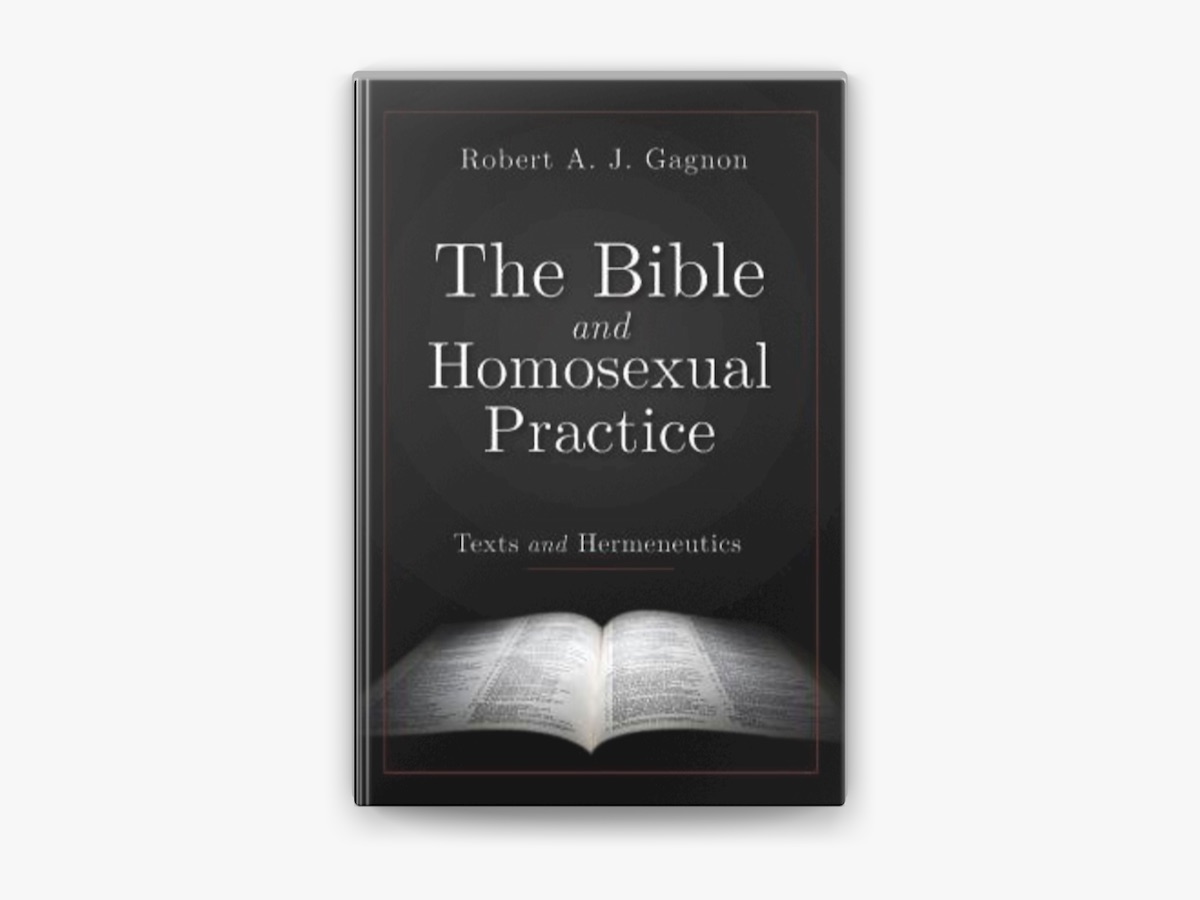
Have you ever wondered about the Bible’s stance on homosexual practice and how to interpret its texts regarding this topic? In our blog post titled “The Bible and Homosexual Practice: Texts and Hermeneutics,” we delve into a critical analysis of the biblical passages related to homosexuality and explore different interpretative frameworks. By engaging with this complex and often debated issue, readers will gain a deeper understanding of how the Bible addresses homosexual practice and the various hermeneutical approaches that can be employed.
Through an examination of key biblical texts, historical contexts, and interpretative methods, this blog post aims to provide clarity and insight into the nuanced discussions surrounding homosexuality in the Bible. Whether you are seeking a fresh perspective on this controversial topic or looking to deepen your understanding of biblical interpretation, this exploration of the texts and hermeneutics related to homosexual practice offers a valuable resource for fostering informed dialogue and personal reflection. Join us on this journey of discovery and critical engagement with the intersection of faith, scripture, and sexuality.
Understanding Homosexuality in the Bible: Texts and Hermeneutics
The Bible and Homosexual Practice Texts and Hermeneutics
The topic of homosexuality in relation to the Bible has been a contentious issue for many years. Different interpretations and understandings of the biblical texts that mention homosexual behavior have led to diverse views within religious communities. In this article, we will explore the various biblical texts related to homosexual practice and discuss the hermeneutical approaches used to interpret them.
One of the most commonly cited passages regarding homosexuality is found in Leviticus 18:22, which states, “You shall not lie with a male as with a woman; it is an abomination.” This verse is often used to condemn homosexual behavior as sinful. Similarly, in Leviticus 20:13, it is written, “If a man lies with a male as with a woman, both of them have committed an abomination; they shall surely be put to death; their blood is upon them.” These verses are part of the Holiness Code in Leviticus, which contains various laws and prohibitions related to moral behavior.
Another significant passage is found in the New Testament in the letter of Paul to the Romans. In Romans 1:26-27, Paul writes, “For this reason, God gave them up to dishonorable passions. For their women exchanged natural relations for those that are contrary to nature; and the men likewise gave up natural relations with women and were consumed with passion for one another, men committing shameless acts with men and receiving in themselves the due penalty for their error.” This passage is often interpreted as condemning same-sex relationships as unnatural and sinful.
On the other hand, some scholars and theologians argue that these passages must be understood in their historical and cultural context. They point out that the biblical authors were writing within a specific social and religious framework that influenced their understanding of sexuality. Additionally, they emphasize the importance of interpreting these texts in light of the broader themes of love, justice, and inclusion found throughout the Bible.
Moreover, there are other biblical passages that emphasize love and acceptance rather than condemnation. For example, in the Gospel of Matthew, Jesus teaches the importance of loving one’s neighbor and showing compassion to others. In Galatians 3:28, Paul writes, “There is neither Jew nor Greek, there is neither slave nor free, there is no male and female, for you are all one in Christ Jesus,” highlighting the equality and unity of all believers in Christ.
In conclusion, the interpretation of biblical texts related to homosexual practice requires careful consideration of the historical, cultural, and theological context in which they were written. Different hermeneutical approaches can lead to diverse understandings of these passages, ultimately shaping the beliefs and practices of religious communities. It is essential to engage in thoughtful dialogue and reflection on these complex issues while upholding the values of love, compassion, and respect for all individuals.