
Have you ever wondered about the characteristics of Rebekah in the Bible and how they can inspire us today? In this blog post, we will explore the fascinating portrayal of Rebekah in the scriptures and uncover valuable lessons that we can apply to our own lives. By delving into her story, we can gain insights into qualities such as faith, courage, and resilience that can help us navigate the challenges we face in our modern world.
Throughout the pages of the Bible, Rebekah emerges as a strong and resourceful woman who played a pivotal role in the fulfillment of God’s plans. Her unwavering trust in God’s guidance, her willingness to step out in faith, and her compassion towards others serve as powerful examples for us to emulate. Join us as we uncover the remarkable characteristics of Rebekah and discover how we can draw strength and inspiration from her timeless story.
The Enigmatic Virtues of Rebekah: Exploring the Intriguing Character of a Biblical Matriarch
Characteristics of Rebekah in the Bible
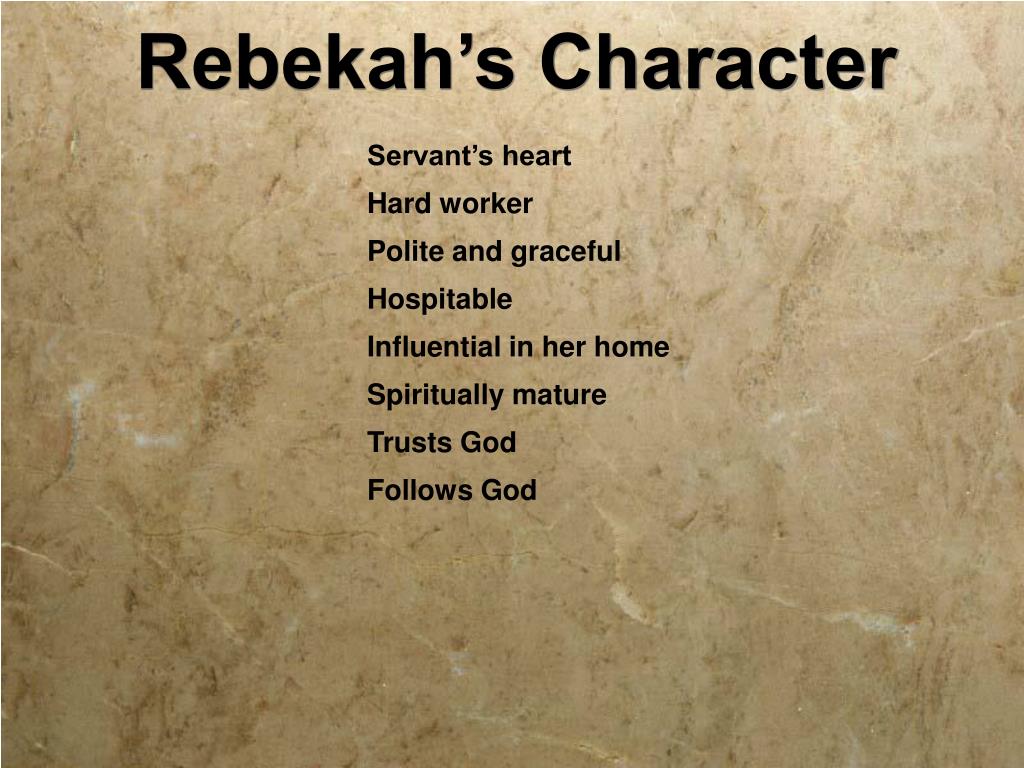
Rebekah is a prominent figure in the Bible, known for her significant role in the story of Isaac and Jacob. Her character is portrayed with various qualities and characteristics that make her a complex and intriguing individual in the biblical narrative.
One of the key characteristics of Rebekah is her faithfulness and loyalty. When she was chosen to be Isaac’s wife, she demonstrated unwavering loyalty to him and his family. Despite facing challenges and uncertainties, she remained committed to her husband and supported him in fulfilling God’s plan for their family.
Another important aspect of Rebekah’s character is her resourcefulness and intelligence. We see this trait in the way she acted decisively to secure blessings for Jacob, her favored son. Rebekah’s cunning plan to deceive Isaac and ensure Jacob received the birthright highlights her strategic thinking and cleverness.
Additionally, Rebekah is depicted as a caring and protective mother. She deeply loved her sons, Jacob and Esau, and was willing to go to great lengths to safeguard their future. Rebekah’s willingness to intervene in Jacob’s life and guide him towards his destiny showcases her maternal instincts and dedication to her children.
Moreover, Rebekah displays boldness and courage in the face of adversity. From challenging societal norms to orchestrating intricate schemes, she fearlessly pursued what she believed was right for her family. Rebekah’s bravery in taking risks and making difficult decisions demonstrates her inner strength and determination.
Despite her virtues, Rebekah also exhibits flaws and imperfections. Her partiality towards Jacob and manipulation of circumstances reveal her human frailties and shortcomings. These aspects of Rebekah’s character remind us that even biblical figures are not immune to moral failings and complexities.
Overall, Rebekah emerges as a multifaceted character in the Bible, embodying a mix of admirable qualities and relatable flaws. Her story serves as a testament to the intricate nature of human behavior and the complexities of relationships and faith.
What was Rebecca’s character in the Bible?
Rebecca’s character in the Bible is portrayed as a wise and proactive woman. She is best known for her role in the story of Isaac and Rebekah, where she demonstrates resourcefulness and quick thinking. Rebecca’s decision to water Abraham’s servant’s camels without being asked showcases her kindness and generosity. She also displays courage when she agrees to leave her family and homeland to marry Isaac, whom she had never met. Rebecca is described as both beautiful and industrious, as she is often seen drawing water from the well and caring for her family’s flocks. Overall, Rebecca is portrayed as a strong and influential figure in the biblical narrative.
What are the virtues of Rebecca in the Bible?
Rebecca is portrayed as a woman of faith, courage, and wisdom in the Bible. She demonstrated faith by agreeing to marry Isaac without having met him beforehand, trusting in God’s plan for her life. Rebecca also showed courage when she left her family to journey to a new land with Isaac, embracing the unknown with bravery.
Moreover, Rebecca displayed wisdom in her actions, such as when she helped Jacob deceive Isaac to receive his blessing. Although this act may be controversial, it illustrates Rebecca’s resourcefulness and determination to ensure that God’s promise to bless Jacob would be fulfilled.
Overall, Rebecca’s virtues of faith, courage, and wisdom are highlighted in the Bible, making her an important figure in biblical narratives.
What does God say about Rebekah?
In the Bible, God speaks about Rebekah in Genesis 25:23, where it is said: “The Lord said to her, ‘Two nations are in your womb, and two peoples from within you will be separated; one people will be stronger than the other, and the older will serve the younger.'” This prophecy foretells the birth of Esau and Jacob and sets the stage for the unfolding story of their lives and the blessings that would come through them. Rebekah plays a pivotal role in the narrative, as she is instrumental in ensuring that Jacob receives the blessing from Isaac meant for the firstborn son.
What are the consequences of Rebekah’s sin?
In the context of the Bible, Rebekah’s sin of deceiving Isaac to secure the blessing for Jacob instead of Esau had several consequences:
1. Family Division: Rebekah’s actions caused division within her family as Esau felt betrayed and plotted to kill Jacob. This led to Jacob fleeing from home to escape Esau’s wrath.
2. Separation: Jacob’s departure meant that he was separated from his parents for many years, causing pain and sadness in the family.
3. Loss of Trust: Rebekah’s deceit shattered the trust that should have existed between family members, leading to broken relationships and lingering resentment.
4. Reap what you sow: Despite achieving her desired outcome, Rebekah had to live with the consequences of her actions. The deceit sowed by Rebekah continued to bear fruit in Jacob’s life, causing him to face similar deception from Laban.
5. God’s Sovereignty: Ultimately, despite the sinful actions of individuals, God’s sovereign plan prevailed. He used the flawed characters in this story to bring about His purposes and to fulfill His promises to Abraham and his descendants.
These consequences serve as a reminder of the importance of honesty, integrity, and trust in relationships, and the ultimate sovereignty and faithfulness of God in the midst of human sinfulness.