
Have you ever wondered what the Bible says about how we should treat and expose our bodies? In a world that often promotes immodesty and self-gratification, it’s crucial to turn to scripture to find guidance on this important topic. In this blog post, we will explore various Bible verses that speak to the significance of modesty and honoring God with our bodies.
By delving into these verses, we can gain a deeper understanding of the importance of modesty and self-respect in the eyes of God. Understanding and applying these teachings can help us navigate through a culture that often glorifies outward appearances and instant gratification. Join us as we uncover the timeless wisdom found in the Bible regarding how we should present ourselves and honor our bodies as temples of the Holy Spirit.
Exploring Biblical Perspectives on Revealing Your Body: Unveiling Key Verses
Bible Verses About Exposing Your Body
When it comes to the topic of exposing your body, the Bible provides some clear guidance and principles for believers to consider. The Scriptures emphasize the importance of modesty, honoring God with our bodies, and avoiding behaviors that could lead others into temptation or sin.
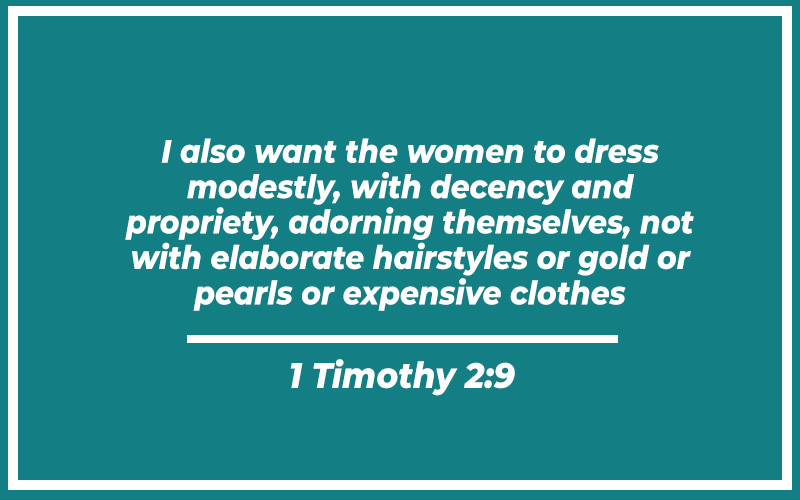
1. 1 Timothy 2:9-10 – “Likewise also that women should adorn themselves in respectable apparel, with modesty and self-control, not with braided hair and gold or pearls or costly attire, but with what is proper for women who profess godliness—with good works.”
2. 1 Corinthians 6:19-20 – “Or do you not know that your body is a temple of the Holy Spirit within you, whom you have from God? You are not your own, for you were bought with a price. So glorify God in your body.”
3. Romans 14:13 – “Therefore let us not pass judgment on one another any longer, but rather decide never to put a stumbling block or hindrance in the way of a brother.”
4. 1 Peter 3:3-4 – “Do not let your adorning be external—the braiding of hair and the putting on of gold jewelry, or the clothing you wear— but let your adorning be the hidden person of the heart with the imperishable beauty of a gentle and quiet spirit, which in God’s sight is very precious.”
5. Matthew 5:28 – “But I say to you that everyone who looks at a woman with lustful intent has already committed adultery with her in his heart.”
6. Galatians 5:13 – “For you were called to freedom, brothers. Only do not use your freedom as an opportunity for the flesh but through love serve one another.”
7. 1 Thessalonians 4:3-5 – “For this is the will of God, your sanctification: that you abstain from sexual immorality; that each one of you know how to control his own body in holiness and honor, not in the passion of lust like the Gentiles who do not know God.”
As believers, it is important to remember that our bodies are temples of the Holy Spirit and should be treated with respect and honor. Modesty, self-control, and purity are virtues that Christians are called to uphold in their actions and appearance, in order to glorify God and avoid causing others to stumble.
What does the Bible say about showing your body?
The Bible instructs believers to honor and respect their bodies, as they are considered temples of the Holy Spirit. In 1 Corinthians 6:19-20, it states, “Do you not know that your bodies are temples of the Holy Spirit, who is in you, whom you have received from God? You are not your own; you were bought at a price. Therefore honor God with your bodies.” This passage emphasizes the importance of treating one’s body with reverence and avoiding actions that may defile or dishonor it. Additionally, Romans 14:13 advises believers to “make up your mind not to put any stumbling block or obstacle in the way of a brother or sister.” This verse suggests being mindful of how our actions, including how we dress or present ourselves, may impact others around us spiritually. Ultimately, the Bible encourages individuals to prioritize modesty, self-respect, and consideration for others when it comes to displaying their bodies.
What does the Bible say about a woman covering her body?
In the Bible, the concept of a woman covering her body is often associated with modesty and reverence. One notable passage that addresses this is found in 1 Timothy 2:9-10, which says, “I want women to dress modestly, with decency and propriety, not with elaborate hairstyles or gold or pearls or expensive clothes, but with good deeds, appropriate for women who profess to worship God.”
Additionally, in 1 Corinthians 11:6, it mentions the practice of women covering their heads during worship: “For if a woman does not cover her head, she might as well have her hair cut off; but if it is a disgrace for a woman to have her hair cut off or her head shaved, then she should cover her head.”
These passages emphasize the importance of modesty and respect in how women present themselves, both in terms of clothing and appearance.
What does the Bible say about our bodies?
The Bible teaches us that our bodies are temples of the Holy Spirit (1 Corinthians 6:19-20). This means that we should honour God with our bodies by taking care of them and using them in ways that are pleasing to Him. We are also reminded that our bodies are fearfully and wonderfully made by God (Psalm 139:14), showcasing His incredible craftsmanship and design. Additionally, we are encouraged to present our bodies as a living sacrifice, holy and pleasing to God, as an act of worship (Romans 12:1). This includes living a life that is consistent with God’s will and purpose for us, which often involves making choices that support the health and well-being of our bodies. Overall, the Bible emphasizes the importance of treating our bodies with respect, care, and gratitude for the wonderful gift that they are.
What Scripture says not to mark your body?
The Scripture that addresses the issue of marking one’s body can be found in Leviticus 19:28, which states: “Do not cut your bodies for the dead or put tattoo marks on yourselves. I am the Lord.” This verse is often interpreted as a commandment against tattooing or marking one’s body in certain cultural or religious practices.