
Have you ever wondered about the cause and effect relationships found throughout the Bible? From the actions of individuals to the consequences of their choices, the Scriptures are rich with examples of how one action can lead to another. In this blog post, we will explore some fascinating cause and effect examples in the Bible that not only shed light on various biblical narratives but also provide valuable insights into our own lives.
By delving into these cause and effect examples in the Bible, we can gain a deeper understanding of how our choices and actions can have a ripple effect in our lives and the lives of those around us. Through studying these biblical stories, we can learn important lessons about the power of our decisions, the consequences they may bring, and ultimately, how we can strive to make choices that align with God’s will. Join us as we uncover the profound wisdom and timeless truths hidden within these cause and effect relationships in the pages of the Bible.
Unveiling Cause and Effect Narratives in the Bible
In the Bible, there are numerous examples of cause and effect situations that demonstrate the consequences of one’s actions or choices. These stories serve as powerful lessons for believers on the importance of obedience, faith, and following God’s will. Let’s explore some prominent examples of cause and effect in the Bible:
1. Adam and Eve: In the book of Genesis, Adam and Eve’s disobedience to God’s command not to eat from the tree of knowledge resulted in them being expelled from the Garden of Eden and experiencing the consequences of sin and separation from God.
2. The Israelites in the Wilderness: When the Israelites grumbled and complained about their circumstances in the wilderness, they faced consequences such as wandering for forty years and being prohibited from entering the promised land.
3. Saul’s Disobedience: King Saul’s disobedience to God’s instructions to destroy the Amalekites led to him losing his kingship and being rejected by God in favor of David.
4. David’s Sin with Bathsheba: David’s affair with Bathsheba and subsequent murder of her husband Uriah resulted in tragic consequences such as the death of their child, division within his family, and enduring repercussions in his reign as king.
5. The Prodigal Son: In the parable of the prodigal son, the younger son’s decision to squander his inheritance on reckless living led to him facing dire consequences and hitting rock bottom before repenting and experiencing restoration and forgiveness from his father.
6. Peter’s Denial: When Peter denied knowing Jesus three times, he experienced profound regret and sorrow, but ultimately, he received forgiveness and restoration after repentance.
7. Judas’ Betrayal: Judas Iscariot’s betrayal of Jesus for thirty pieces of silver resulted in his deep remorse and tragic end through suicide.
8. Paul’s Conversion: Saul’s persecution of Christians transformed into Paul’s conversion on the road to Damascus, leading to a life dedicated to spreading the Gospel and building the early Church.
These examples illustrate how cause and effect play out in the lives of biblical figures, highlighting the importance of obedience, sin, repentance, and redemption in shaping one’s spiritual journey and relationship with God.
What is an example of cause and effect in the Bible?
One example of cause and effect in the Bible is found in the story of Adam and Eve in the book of Genesis. In Genesis 3:6-7, it says, “When the woman saw that the fruit of the tree was good for food and pleasing to the eye, and also desirable for gaining wisdom, she took some and ate it. She also gave some to her husband, who was with her, and he ate it. Then the eyes of both of them were opened, and they realized they were naked; so they sewed fig leaves together and made coverings for themselves.”
In this passage, the cause is Adam and Eve eating the forbidden fruit from the tree of knowledge of good and evil. The effect is their realization of their nakedness and their subsequent actions to cover themselves.
This cause-and-effect relationship sets off a chain of events that ultimately leads to the expulsion of Adam and Eve from the Garden of Eden as a consequence of their disobedience.
What does the Bible say about causation?
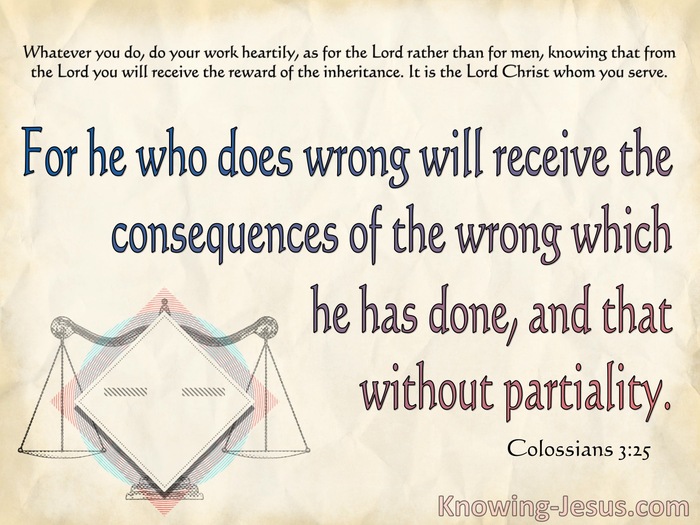
The Bible does not specifically address the concept of causation in a philosophical or scientific sense. However, there are passages that touch on the idea of cause and effect in a more general way. One important principle found in the Bible is the idea of reaping what you sow. This concept is expressed in various verses, such as Galatians 6:7 which states: “Do not be deceived: God cannot be mocked. A man reaps what he sows.”
Another aspect related to causation in the Bible is the understanding of consequences for actions. Throughout the Bible, there are numerous examples of individuals facing both positive and negative outcomes based on their choices and behaviors. For instance, Proverbs 22:8 says: “Whoever sows injustice will reap calamity, and the rod of his fury will fail.”
Ultimately, while the Bible does not delve into causation in a technical or scientific manner, it does emphasize the importance of personal responsibility and the connection between actions and outcomes.
What is the first cause in the Bible?
In the Bible, the concept of the first cause is often attributed to God. The Book of Genesis describes how God created the heavens and the earth out of nothing. This act of creation is often seen as the ultimate first cause in the Judeo-Christian tradition. According to the Bible, God’s role as the first cause is foundational to understanding the origins of the universe and all that exists within it.
What is the meaning of cause in the Bible?
Cause in the Bible can refer to different things depending on the context. In many instances, it is used to describe the reason or purpose behind certain events or actions. For example, God’s cause may refer to His plan or will for humanity. It can also be used to indicate the consequences of actions taken by individuals or groups, highlighting the importance of being mindful of one’s choices. Additionally, cause can be interpreted as a call to action, prompting believers to live according to God’s commandments and teachings. Overall, the concept of cause in the Bible conveys the idea of intentionality, accountability, and divine guidance.