
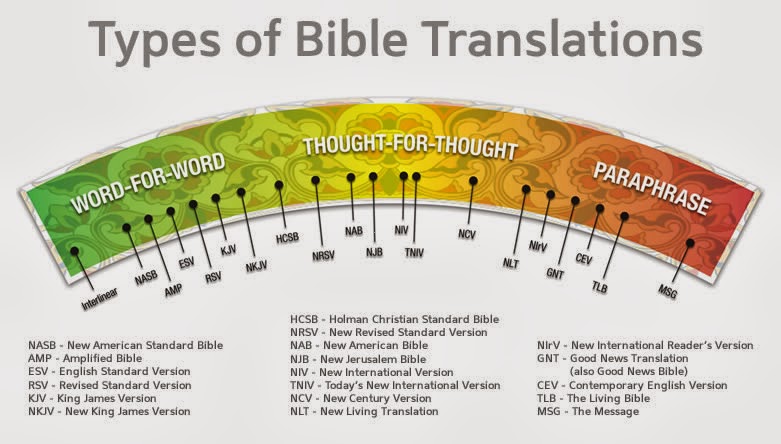
Have you ever wondered if the NIV Bible is a Catholic Bible? In this blog post, we will explore this question and shed some light on the differences between the NIV Bible and Catholic Bibles. Understanding these distinctions can greatly benefit readers who seek clarity on the various versions of the Bible available to them.
As we delve into this topic, we aim to provide valuable insights that will help readers make informed decisions when selecting a Bible for personal study or spiritual growth. By clarifying whether the NIV Bible is a Catholic Bible or not, we hope to empower our readers with the knowledge they need to choose a Bible translation that aligns with their beliefs and preferences. Stay tuned as we unravel the complexities surrounding this common query in the world of biblical literature.
Understanding the Relationship Between the NIV Bible and Catholicism
The NIV (New International Version) Bible is not specifically a Catholic Bible, but rather a widely popular and respected English translation of the Bible that is used by a variety of Christian denominations. The NIV was first published in 1978 and has since become one of the most widely read and studied translations of the Bible in the world.
While the NIV does not have an official endorsement from the Catholic Church, it is important to note that the Catholic Church does not endorse or officially recognize any specific English translation of the Bible as its official version. Instead, the Catholic Church typically uses the New American Bible (NAB) for liturgical purposes in the United States.
However, many Catholics do use the NIV Bible for personal study and reading, as it is known for its readability and accessibility. The NIV is praised for its clear and contemporary language, making it easier for modern readers to understand and engage with the text.
It’s worth mentioning that the NIV does not include the full set of books found in the Catholic Bible, known as the Deuterocanonical books or Apocrypha. These books are considered canonical by the Catholic Church but are not included in most Protestant Bibles, including the NIV. This is an important distinction to consider when determining whether the NIV is suitable for Catholic use.
Overall, while the NIV Bible is not specifically a Catholic Bible and does not include the full set of Catholic canon, many Catholics find value in using the NIV for personal study and reflection due to its clarity and accessibility. Ultimately, the choice of which Bible translation to use is a personal decision based on individual preferences and needs.
Which version of Bible is Catholic?
The Catholic Bible typically includes additional books known as the deuterocanonical books, which are not found in Protestant Bibles. These extra books are Tobit, Judith, 1 Maccabees, 2 Maccabees, Wisdom of Solomon, Sirach (Ecclesiasticus), and Baruch, as well as parts of Esther and Daniel that are not included in Protestant versions. Therefore, the version of the Bible that includes these extra books is the Catholic Bible.
Is there a difference between a Catholic Bible and other Bibles?
Yes, there are differences between a Catholic Bible and other Bibles. The main distinction lies in the inclusion of additional books known as the Deuterocanonical Books or Apocrypha in Catholic Bibles. These books were written during the intertestamental period and are considered inspired Scripture by the Catholic Church but are not included in Protestant Bibles. Additionally, the order of the books in the Old Testament may vary slightly between Catholic Bibles and other Christian Bibles.
Is a KJV Bible a Catholic Bible?
No, a KJV (King James Version) Bible is not a Catholic Bible. The KJV is a Protestant translation of the Bible, commissioned by King James I of England in the early 17th century. The Catholic Bible contains additional books known as the Deuterocanonical books, which are not included in Protestant Bibles like the KJV.
Can Catholics use the New Living Translation?
Yes, Catholics can use the New Living Translation for personal study and devotional reading. While the NLT is not the official translation used in Catholic liturgical settings, many Catholics find it to be a helpful and accessible version for understanding the Bible in a contemporary language. It’s always recommended to consult with a priest or a spiritual advisor for guidance on choosing a Bible translation that aligns with Catholic teachings and doctrine.