
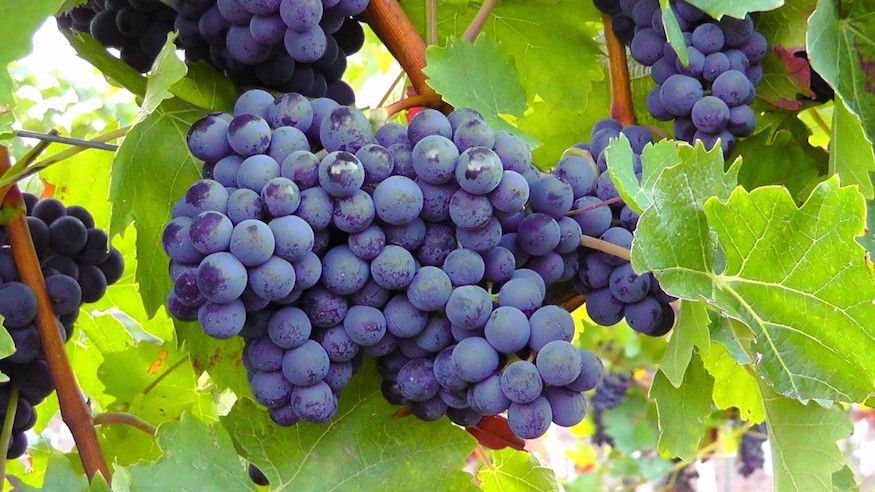
Have you ever wondered about the significance of the phrase “fruit of the vine” mentioned in the Bible? Understanding the deeper meaning behind this biblical expression can reveal profound insights into our faith and spiritual journey. In this blog post, we will delve into the rich symbolism of the fruit of the vine in the Bible and explore its implications for our lives as believers.
Exploring the concept of the fruit of the vine in Scripture opens up a treasure trove of spiritual lessons and metaphors that can inspire and guide us in our walk with God. From the symbolism of the grapevine in relation to Jesus Christ as the true vine to the importance of bearing good fruit in our lives, the fruit of the vine carries a powerful message of growth, nourishment, and connection to God. Join us on this enlightening journey as we uncover the deep meaning and significance of the fruit of the vine in the Bible and discover how it can enrich our faith and relationship with God.
The symbolic significance of grapes in the Bible: Understanding the Fruit of the Vine
The phrase “Fruit of the Vine” is a symbolic expression that holds significant meaning within the context of the Bible. This phrase is mentioned in various verses throughout the Bible, particularly in relation to the Last Supper and the symbolism of wine.
In the Gospel of Matthew 26:29, Jesus says, “I tell you, I will not drink from this fruit of the vine from now on until that day when I drink it new with you in my Father’s kingdom.” Here, Jesus refers to the wine as the “fruit of the vine,” emphasizing its symbolic importance in the celebration of the covenant between God and His people.
Wine, as the “fruit of the vine,” carries several symbolic meanings in the Bible. It represents the blood of Christ shed for the forgiveness of sins, as mentioned during the Last Supper when Jesus shared wine with his disciples, saying, “This is my blood of the covenant, which is poured out for many for the forgiveness of sins” (Matthew 26:28).
Furthermore, the “fruit of the vine” symbolizes joy, abundance, and blessing. In the Old Testament, the production of wine was seen as a sign of God’s favor and blessing on His people. Psalm 104:14-15 reflects this sentiment, stating, “He makes grass grow for the cattle, and plants for people to cultivate—bringing forth food from the earth: wine that gladdens human hearts, oil to make their faces shine, and bread that sustains their hearts.”
Additionally, the concept of the “fruit of the vine” is also connected to the idea of bearing spiritual fruit in one’s life. In John 15:5, Jesus says, “I am the vine; you are the branches. If you remain in me and I in you, you will bear much fruit; apart from me, you can do nothing.” This verse emphasizes the importance of abiding in Christ in order to bear good fruit in one’s life.
Overall, the phrase “Fruit of the Vine” holds rich symbolism in the Bible, representing the blood of Christ, joy, abundance, blessing, and spiritual fruitfulness. It serves as a powerful reminder of God’s covenant with His people and the abundant blessings that come from abiding in Him.
What do vines symbolize in the Bible?
In the Bible, vines are often used as symbols of fruitfulness, abundance, and God’s provision. They can represent the relationship between God and His people, with God being the vineyard owner and His people being the branches that bear fruit.
One of the most well-known references to vines in the Bible is found in John 15, where Jesus describes Himself as the vine and His followers as the branches. This analogy emphasizes the importance of staying connected to Him in order to bear spiritual fruit.
Vines are also mentioned in other contexts throughout the Bible, such as in the imagery of vineyards and the symbolism of grapes. Overall, vines in the Bible often symbolize spiritual growth, strength, and sustenance that come from being rooted in God.
What is the blessing of the fruit of the vine?
In the context of the Bible, the blessing of the fruit of the vine is commonly associated with the practice of sharing wine during religious ceremonies, particularly in the Christian tradition. This practice is often tied to the celebration of the Eucharist or Lord’s Supper, where believers partake in bread and wine as symbols of the body and blood of Jesus Christ.
The blessing of the fruit of the vine signifies gratitude for God’s provision, redemption, and the covenant relationship between God and His people. It is a symbolic act that reminds believers of the sacrificial offering of Jesus and the new covenant established through His death and resurrection.
By participating in this ritual and receiving the fruit of the vine with a heart of faith and reverence, Christians express their commitment to following Christ and honoring His sacrifice. It serves as a spiritual nourishment and a reminder of the blessings and promises of God’s grace and salvation.
What is the fruit of the vine drink?
In the context of the Bible, the “fruit of the vine drink” refers to wine. This term is often used when referring to the drink shared during religious ceremonies or symbolic rituals, such as in the Last Supper as described in the New Testament.
What does the fruit symbolize in the Bible?
In the Bible, fruit is often used symbolically to represent various things such as spiritual growth, character, actions, and results.
For example, in the book of Galatians, the Apostle Paul talks about the fruit of the Spirit which includes love, joy, peace, patience, kindness, goodness, faithfulness, gentleness, and self-control. This fruit symbolizes the evidence of a transformed life guided by the Holy Spirit.
Additionally, Jesus frequently used the metaphor of fruit to illustrate the results of one’s actions or beliefs. In the Gospel of Matthew, Jesus speaks about how a tree is known by its fruit, indicating that our actions and words are a reflection of what is in our hearts.
Overall, fruit in the Bible symbolizes growth, blessings, abundance, and the outward expression of inward qualities.