
Who Holds Economics in Her Hands in the Bible? Have you ever thought about the economic principles and financial wisdom that can be gleaned from the stories and teachings found within the pages of the Bible? In this blog post, we will explore the fascinating insights and timeless truths about money management and stewardship that are revealed in the Scriptures.
By delving into the economic perspectives presented in the Bible, readers can gain a fresh understanding of how to navigate financial challenges and make wise decisions in their own lives. From lessons on generosity and seeking first the kingdom of God to warnings about the love of money and dishonest gain, the Bible offers a wealth of guidance for those seeking to align their financial practices with their faith. Join us on this journey as we uncover the powerful ways in which the Word of God holds economics in its hands, offering us a roadmap to financial freedom and spiritual fulfillment.
The Economic Stewardship Portrayed in the Bible: Who Holds the Key to Financial Management?
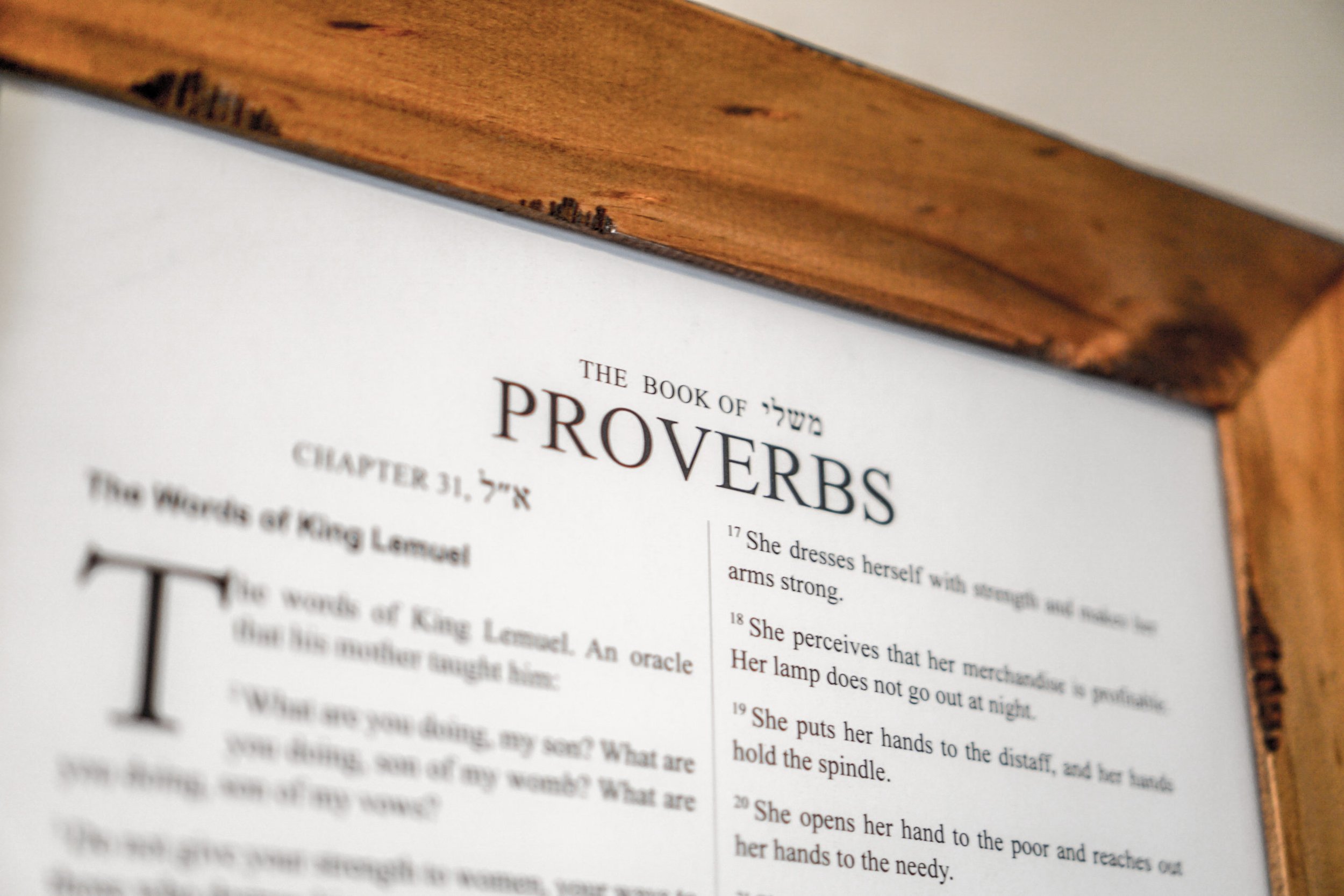
In the Bible, we find numerous instances where economics and money management are discussed and portrayed in various forms. One particular passage that highlights the concept of holding economics in one’s hands is found in Proverbs 31:10-31, often referred to as the “Virtuous Woman” or the “Proverbs 31 Woman.”
Within these verses, the text describes a woman of noble character who is praised for her many virtues and skills, including her ability to manage her household and finances wisely. She is depicted as a shrewd businesswoman who engages in trade and commerce, investing in fields and vineyards to generate income for her family.
The Proverbs 31 Woman is known for her strength, diligence, and resourcefulness in handling economic matters. She is described as someone who works diligently with her hands, providing for her family and servants. Additionally, she is noted for her generous spirit, reaching out to help the poor and needy in her community.
This passage serves as a powerful reminder of the importance of financial stewardship and responsible money management in the Bible. It emphasizes the value of hard work, diligence, and wise decision-making in economic affairs. The Proverbs 31 Woman sets a high standard for individuals, both men and women, to emulate in their approach to handling finances and resources.
Overall, the message conveyed in this passage underscores the significance of being intentional and proactive in managing one’s finances. It encourages individuals to be diligent, prudent, and generous in their economic dealings, reflecting a heart that is aligned with biblical principles of stewardship and integrity.
Who was an economist in the Bible?
In the Bible, Joseph was known for his economic skills and wisdom. Joseph served as the chief economist and administrator for Pharaoh in Egypt, where he successfully managed the nation’s resources during a time of famine. His ability to interpret dreams and implement effective economic policies helped Egypt survive the crisis and prosper.
Where does the Bible talk about economics?
The Bible talks about economics in various places throughout its texts. One prominent example is found in the book of Proverbs, which provides practical wisdom on financial matters. Additionally, the teachings of Jesus in the New Testament often address issues related to wealth, poverty, and stewardship. For instance, in the book of Matthew, Jesus speaks about the dangers of materialism and the importance of prioritizing spiritual wealth over earthly possessions. Moreover, the book of Acts describes how the early Christian community shared their resources and cared for those in need, highlighting principles of generosity and community support. Overall, while the Bible may not offer a systematic economic theory, it provides moral guidance and practical wisdom that can inform economic decisions and behavior.
What are the biblical principles of economics?
In the context of the Bible, there are several principles that can be applied to economics. Some of these include:
- Stewardship: The Bible teaches the principle of stewardship, which emphasizes that individuals are entrusted with resources by God and are responsible for managing them wisely. This includes managing finances, possessions, and resources in a way that honors God.
- Hard work: The Bible places a strong emphasis on hard work and diligence. Proverbs 10:4 states, “Lazy hands make for poverty, but diligent hands bring wealth.” Christians are called to work diligently and not be lazy in their pursuits.
- Generosity: The Bible also encourages generosity and giving to those in need. In 2 Corinthians 9:7, it says, “Each of you should give what you have decided in your heart to give, not reluctantly or under compulsion, for God loves a cheerful giver.” Christians are called to be generous and willing to help others with their resources.
- Fairness and justice: The Bible teaches the importance of fairness and justice in economic dealings. Proverbs 16:11 says, “Honest scales and balances belong to the Lord; all the weights in the bag are of his making.” Christians are called to engage in honest and fair transactions, treating others justly in all economic dealings.
- Avoidance of greed: The Bible warns against the dangers of greed and the love of money. 1 Timothy 6:10 famously states, “For the love of money is a root of all kinds of evil.” Christians are encouraged to prioritize spiritual values over material wealth and to guard against the temptation of greed.
By applying these biblical principles of economics in their financial decisions and actions, Christians can seek to honor God and reflect His values in their economic interactions.
What is God’s economy in the Bible?
In the Bible, God’s economy refers to His overall plan and purpose for creation and mankind. It encompasses the way in which God governs and manages the universe and human affairs according to His divine will. This concept is often linked to themes of redemption, salvation, and the establishment of His kingdom on earth. The term God’s economy highlights God’s sovereignty, providence, and ultimate control over all things in accordance with His divine purposes.