
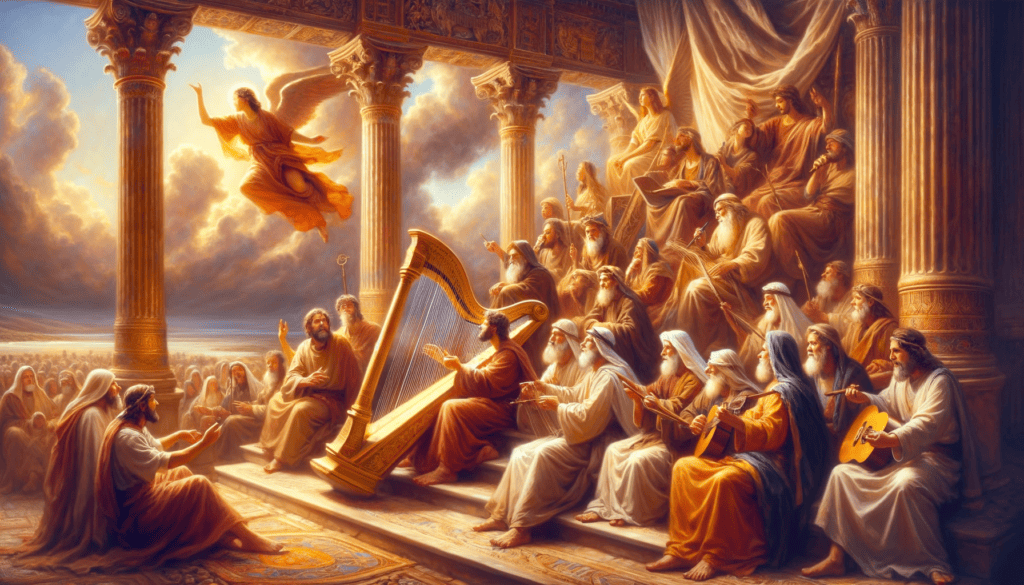
Have you ever wondered about the significance of music in the Bible? From the melodic psalms to the triumphant hymns, music plays a prominent role throughout the scriptures. In this blog post, we will explore the deep-rooted meaning of music in the Bible and how it can enrich our spiritual lives.
Understanding the meaning of music in the Bible can offer us a profound insight into the worship practices of ancient civilizations and the importance of praising God through song. By delving into the musical references found in the scriptures, we can gain a greater appreciation for the power of music as a tool for connection, reflection, and prayer. Join us on this enlightening journey as we uncover the beauty and significance of musick in the Bible.
The Significance of Music in the Bible: Exploring its Spiritual and Cultural Importance
Music plays a significant role in the Bible, with numerous references to singing, playing instruments, and worshiping God through music. The word “music” itself is derived from the ancient Greek word “mousikē,” which encompasses not only the art of music but also education, dance, and poetry. In the Bible, music is often used as a form of expression, communication, and worship.
One of the earliest references to music in the Bible can be found in the book of Genesis, where Jubal is described as the “father of all those who play the harp and flute.” Music is also closely associated with worship and praise throughout the Bible. In the book of Psalms, King David is portrayed as a skilled musician and songwriter who used music to express his emotions, offer thanks to God, and seek guidance and comfort.
The Psalms, in particular, are filled with references to music and singing. Psalm 150, for example, calls on believers to praise God with musical instruments such as the trumpet, harp, lyre, tambourine, strings, flute, and cymbals. The act of making music is seen as a way to glorify God and connect with the divine on a spiritual level.
In the New Testament, music continues to play a vital role in Christian worship. In the book of Ephesians, believers are encouraged to “Speak to one another with psalms, hymns, and spiritual songs. Sing and make music in your heart to the Lord.” Music is seen as a way to encourage and edify fellow believers, as well as a form of personal devotion and expression of faith.
Overall, music in the Bible serves multiple purposes, including worship, praise, communication, and emotional expression. It is a powerful tool that can be used to draw closer to God, uplift the spirit, and connect with others in a meaningful way. Through music, believers can express their joy, sorrow, gratitude, and love for God, creating a harmonious and enriching spiritual experience.
What is the meaning of Musick?
In the context of the Bible, music is often associated with worship and praise to God. It is used as a form of adoration, thanksgiving, and celebration in religious ceremonies and rituals. The use of music in the Bible can be seen in various forms such as singing hymns, playing musical instruments, and dancing. Music is considered a powerful tool to connect with the divine and express one’s devotion and faith.
What is the significance of music in the Bible?
Music in the Bible holds great significance and plays a prominent role in worship and praise. It is often used to express emotions, offer thanksgiving, seek guidance, and celebrate God’s goodness.
In the Old Testament, music was an integral part of temple worship, with musicians and singers leading the people in praising and glorifying God. King David, known as a musician himself, appointed Levites to lead musical worship in the tabernacle and later in the temple.
The book of Psalms, a collection of songs and hymns, showcases the importance of music in expressing faith and connecting with God emotionally. Many psalms were written to be sung, reflecting a range of human experiences and emotions.
In the New Testament, the apostle Paul encourages believers to sing psalms, hymns, and spiritual songs as a way to uplift one another and praise God (Ephesians 5:19, Colossians 3:16). Music is seen as a means of edification and spiritual growth within the Christian community.
Overall, music in the Bible serves as a powerful tool for worship, expression, and connection with God, allowing believers to engage both their hearts and minds in devotion and adoration.
Is there a Bible verse about music?
Yes, there is a Bible verse about music. In Ephesians 5:19, it says, “Speaking to one another with psalms, hymns, and songs from the Spirit. Sing and make music from your heart to the Lord.” This verse emphasizes the importance of using music as a form of worship and communication within the Christian community.
Who is the father of music in the Bible?
In the Bible, Jubal is often considered the father of music. According to Genesis 4:21, Jubal was the son of Lamech and Adah, and he was described as the ancestor of all those who play the lyre and pipe. This biblical reference is why he is commonly referred to as the father of music in the Bible.