
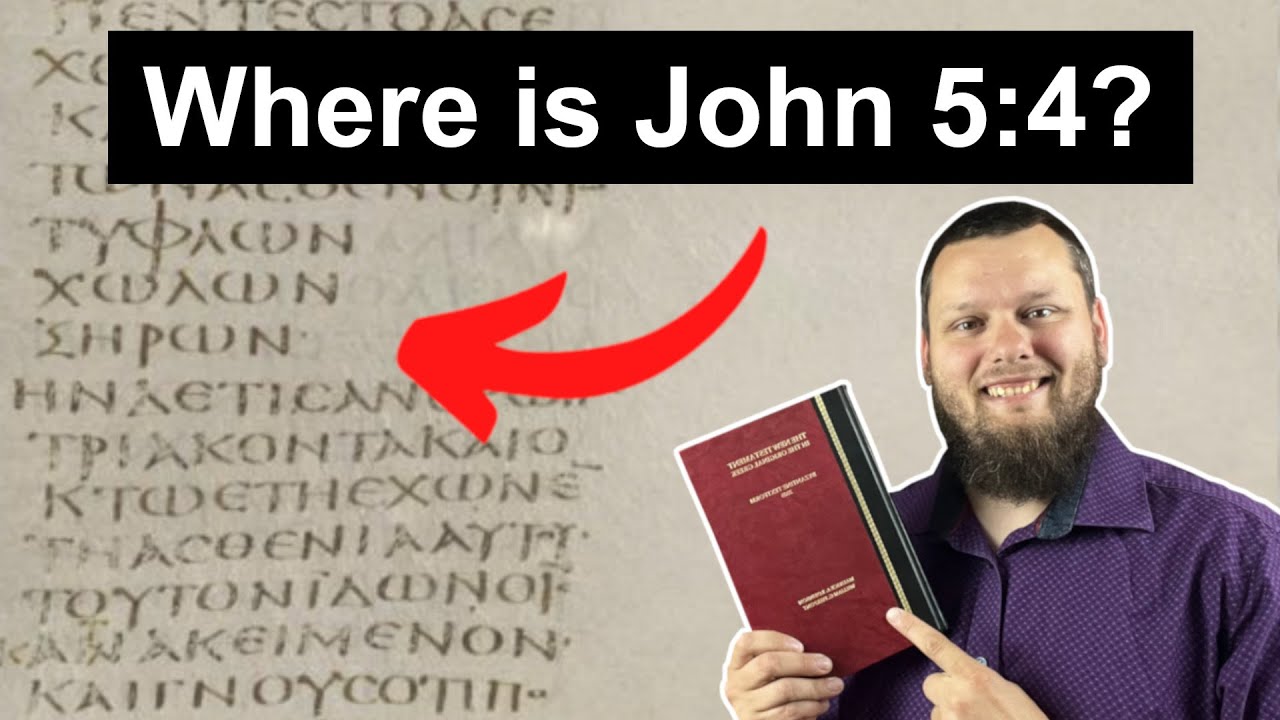
Have you ever wondered why John 5:4 was removed from the Bible? In this blog post, we will delve into the reasons behind the omission of this controversial verse and explore the impact it has had on biblical scholarship and interpretation. By understanding the historical context and theological considerations that led to the removal of John 5:4, we can gain a deeper appreciation for the complexities of biblical translation and transmission.
The absence of John 5:4 from modern translations of the Bible has sparked curiosity and debate among scholars and laypeople alike. By uncovering the motivations behind this decision, we can gain insight into how the Bible has been shaped and curated over the centuries. Join us as we unravel the mystery of why John 5:4 was removed from the Bible and discover the valuable insights that this process can provide for our understanding of scripture.
The Mystery Behind the Removal of John 5:4 from the Bible
The absence of John 5:4 from many modern versions of the Bible has puzzled scholars and theologians for centuries. This verse, which describes an angel stirring the waters at the Pool of Bethesda and the first person to enter being healed, is found in the King James Version of the Bible but is omitted from most contemporary translations. The removal of this verse raises questions about the integrity of the biblical text and the process of canonization.
One of the primary reasons why John 5:4 was likely removed from the Bible is due to its absence in early Greek manuscripts. Many scholars believe that the verse was added later by scribes in an attempt to explain the superstitions surrounding the pool. The presence of textual variants and discrepancies in different manuscripts of the Bible further complicates the matter. Without strong manuscript evidence supporting the inclusion of John 5:4, translators and scholars have erred on the side of caution and opted to omit the verse from modern editions of the Bible.
Another factor that may have contributed to the removal of John 5:4 is its theological implications. The verse suggests a form of magical healing associated with the troubled waters of the pool, which could be seen as contradicting the Christian belief in divine healing through faith in Jesus Christ. By excluding this verse, theologians and translators may have sought to emphasize the importance of faith in God rather than in superstitions or magical practices.
Furthermore, the removal of John 5:4 highlights the complexities of the process of canonization and the formation of the biblical text. The Bible has been compiled and edited over centuries, with different books and passages being included or excluded based on theological, historical, and textual considerations. While the removal of certain verses may raise concerns about the accuracy and reliability of the biblical text, it also reflects the careful scrutiny and scholarship that has been applied to the preservation of the Scriptures.
In conclusion, the omission of John 5:4 from many modern versions of the Bible is a reflection of the challenges and nuances involved in translating, interpreting, and transmitting ancient texts. While the removal of this verse may raise questions and debate among scholars and believers, it ultimately underscores the ongoing process of scholarly inquiry and discernment in understanding the Word of God.
Is John 5 4 in the Bible?
No, John 5:4 is not found in most modern versions of the Bible. It is a verse that appears in some older manuscripts of the New Testament, specifically in the Gospel of John, but it is widely believed to have been added by scribes at a later time and is not considered to be part of the original text. In the context of Bible scholarship, this verse is often highlighted as an example of a textual variant.
What verses have been removed from the Bible?
There are several verses that have been removed from some versions of the Bible over the years, mainly due to discrepancies in the manuscripts and differing opinions among translators. Some examples include:
1. Mark 16:9-20 – The longer ending of the Gospel of Mark is not found in some of the earliest manuscripts and is therefore omitted in some modern translations.
2. John 7:53-8:11 – The story of the woman caught in adultery is not present in some early manuscripts of the Gospel of John.
3. 1 John 5:7-8 – The Comma Johanneum, which is a disputed passage about the Trinity, is not present in many early Greek manuscripts.
4. Luke 22:43-44 – The account of Jesus praying in the Garden of Gethsemane with drops of blood is missing from some early manuscripts of Luke.
These are just a few examples of verses that have been omitted or are considered questionable in certain versions of the Bible. It’s important to note that these discrepancies do not change any essential teachings of the Christian faith.
What were the 14 books removed from the Bible?
The 14 books that were removed from the Bible are known as the Apocrypha or Deuterocanonical books. These books are:
1. 1 Esdras
2. 2 Esdras
3. Tobit
4. Judith
5. Additions to Esther
6. Wisdom of Solomon
7. Wisdom of Sirach (Ecclesiasticus)
8. Baruch
9. Letter of Jeremiah
10. Song of the Three Young Men
11. Susanna
12. Bel and the Dragon
13. Prayer of Manasseh
14. 1 Maccabees
These books were originally included in the Septuagint, the Greek translation of the Hebrew Bible, which was widely used by early Christians. However, they were later excluded from the Protestant Bible during the Reformation.
Why are some verses missing in the NIV Bible?
Some verses are missing in the NIV Bible because they are not found in the earliest and most reliable manuscripts of the Bible. The translators of the NIV aimed to provide a clear and accurate translation based on the best available biblical manuscripts. In some cases, verses that appear in later manuscripts were not included in the NIV text because they are not considered to be original to the biblical texts. This is done in order to ensure the accuracy and reliability of the translation.