
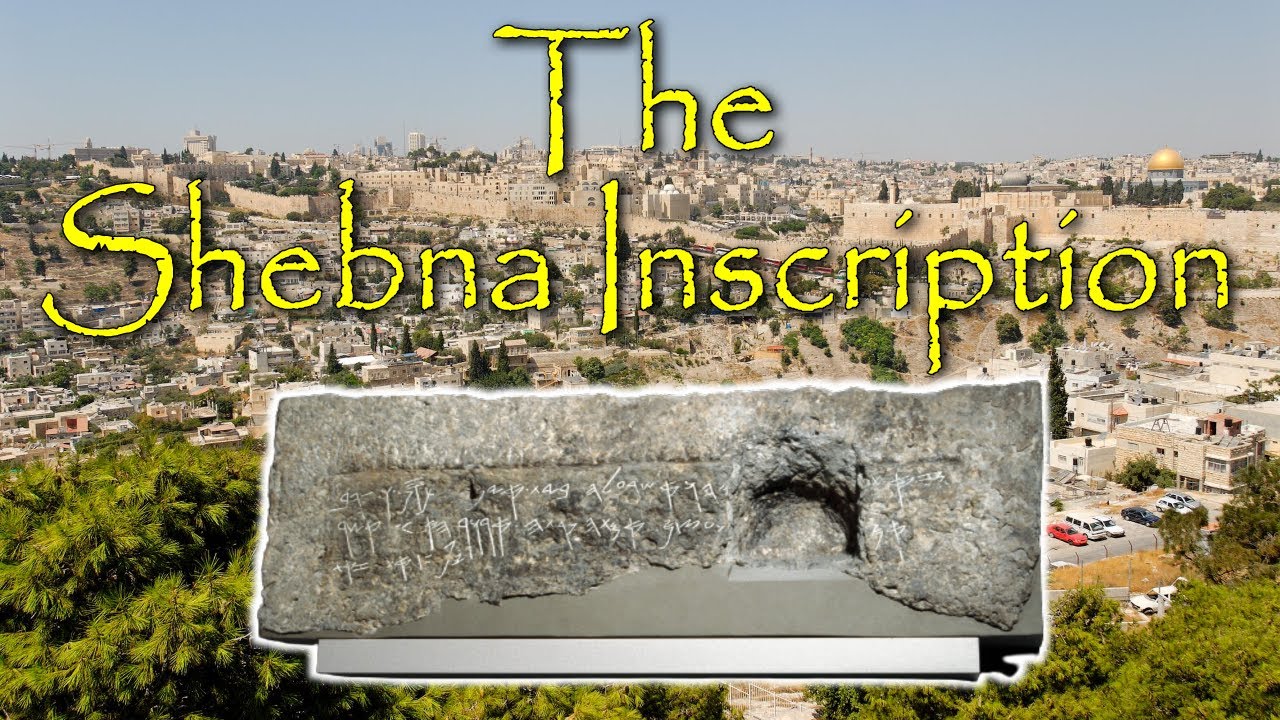
Who is Shebna in the Bible? This enigmatic figure appears briefly in the Old Testament, yet his story holds profound lessons that can guide us in understanding faith, leadership, and accountability. Exploring the character of Shebna opens up a doorway to deeper insights into biblical narratives and the timeless wisdom they hold for us today.
In this blog post, we will delve into the background of Shebna, examining his role in the scriptural accounts and unraveling the significance of his actions. By shedding light on this lesser-known character, we aim to uncover valuable lessons that can enrich our spiritual journey and inspire us to reflect on our own choices and responsibilities in the sight of God. Join us on this exploration of Shebna in the Bible, and discover how his story can illuminate the path towards a deeper understanding of faith and leadership.
Unveiling the Enigmatic Figure of Shebna in the Bible: Exploring His Significance and Role
Shebna is a minor biblical figure mentioned in the Old Testament, particularly in the book of Isaiah. He served as a high-ranking official in the court of King Hezekiah of Judah. Shebna’s story is primarily found in Isaiah 22:15-25.
In the biblical account, Shebna held the position of “master of the palace,” which was a position of great influence and authority in the royal administration. However, despite his prestigious role, Shebna is portrayed as an arrogant and self-serving individual. He amassed wealth and power for himself at the expense of others, displaying a lack of concern for the well-being of the people under his authority.
The prophet Isaiah denounces Shebna for his pride and predicts his downfall. Isaiah prophesies that Shebna will be removed from his position of authority and replaced by a more righteous individual named Eliakim. This changing of the guard symbolizes a shift in leadership from one who is corrupt and selfish to one who is just and faithful.
Shebna’s demotion serves as a warning against the dangers of pride and self-centeredness. It highlights the importance of humility and integrity in positions of power and authority. Ultimately, Shebna’s story in the Bible serves as a cautionary tale about the consequences of placing personal ambition above ethical conduct and responsibility to others.
What did Shebna do in the Bible?
In the Bible, Shebna was a prominent official in the kingdom of Judah during the reign of King Hezekiah. He served as the royal steward, which was a position of high authority and responsibility. However, Shebna is described in the Book of Isaiah as being full of pride and arrogance. He was also accused of carving out a tomb for himself in a place reserved for the burial of kings, which was seen as a disrespectful and presumptuous act. As a result, God punished Shebna by removing him from his position and replacing him with Eliakim. This event serves as a cautionary tale about the consequences of pride and selfish ambition in the Bible.
What does the name Shebna mean?
In the Bible, the name Shebna is associated with a high-ranking official in the court of King Hezekiah of Judah. Shebna served as the palace administrator or secretary during this time. The name Shebna is believed to mean “growth of the Lord” or “youth of the Lord” in Hebrew. This name appears in the Book of Isaiah and the Book of 2 Kings.
Where is Shebna today?
Shebna is mentioned in the Bible as a steward in the court of King Hezekiah of Judah. According to biblical accounts, Shebna was removed from his position of authority by God because of his pride and corruption. The prophet Isaiah prophesied that Shebna would be replaced by Eliakim son of Hilkiah.
As for Shebna’s current whereabouts, there is no further mention or account of him beyond the biblical narrative. Therefore, his fate or location remains unknown in the context of the Bible.
What is the meaning of Isaiah 22 15 25?
In Isaiah 22:15-25, the prophet Isaiah speaks about the downfall of Shebna, the steward of the king’s palace in Jerusalem, and the rise of Eliakim to replace him. This passage emphasizes God’s sovereignty and authority in appointing leaders and bringing judgment upon those who are not faithful.
Isaiah 22:22 is a key verse in this passage, where it says, “I will place on his shoulder the key to the house of David; what he opens no one can shut, and what he shuts no one can open.” This verse symbolizes the authority and responsibility given to Eliakim in his new role as steward.
Overall, Isaiah 22:15-25 serves as a reminder that God is ultimately in control and that those who are faithful will be exalted while those who are proud and disobedient will be brought low. It is a call to trust in God’s plans and to seek His guidance in all areas of our lives.