
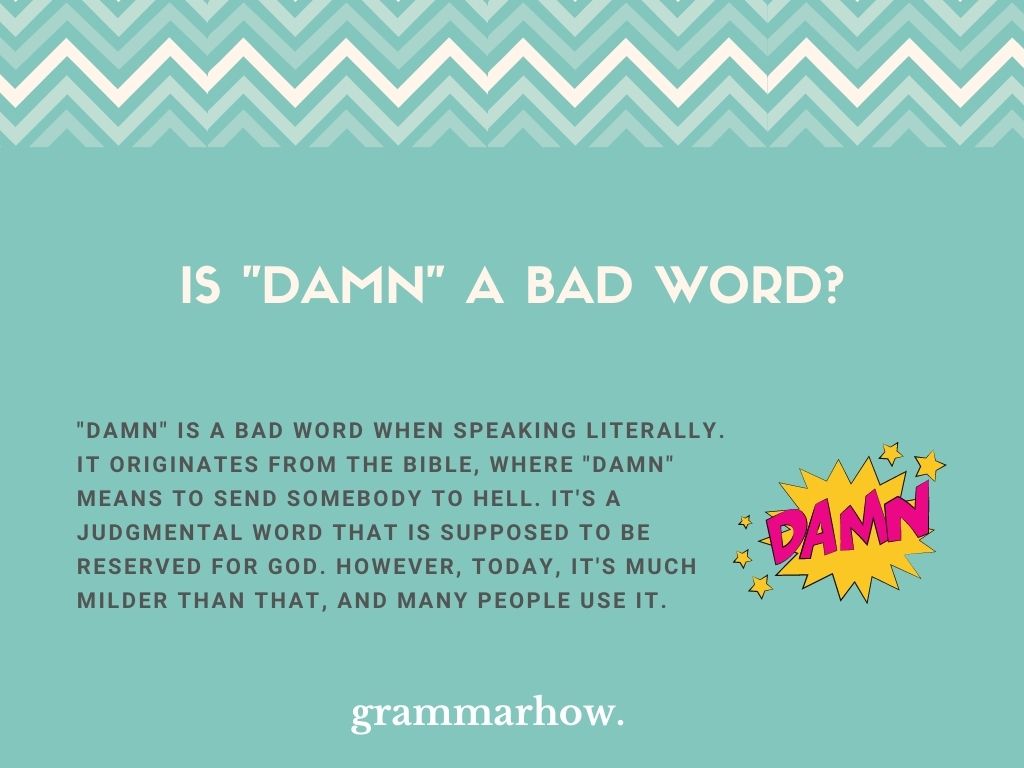
Have you ever wondered how many times the word “damn” appears in the Bible? In this blog post, we will explore the usage of this controversial term in the holy scriptures and examine its significance within the context of biblical teachings. By delving into this topic, we aim to gain a deeper understanding of the language and themes present in the Bible, providing valuable insights for those seeking to enhance their knowledge of scripture.
Exploring the frequency and contexts in which the word “damn” is used in the Bible can shed light on the importance of language and interpretation in religious texts. By examining these instances, we can enrich our understanding of the moral lessons and theological messages conveyed through the scriptures. Join us on this journey as we uncover the nuanced meanings behind the use of this provocative term in the Bible, offering a fresh perspective on the timeless wisdom contained within its pages.
Diving into the Bible: The Frequency of ‘Damn’ in Scripture
In the Bible, the word “damn” does not appear in its English translation. However, the concept of damnation, condemnation, and judgment is a central theme throughout the scriptures. The Bible speaks extensively about the consequences of sin and rebellion against God, often warning of the eternal punishment that awaits those who reject God’s offer of salvation.
One of the most well-known passages related to damnation is found in the New Testament, in the Gospel of Matthew. In Matthew 25:41, Jesus speaks about the final judgment, saying, “Then he will say to those on his left, ‘Depart from me, you cursed, into the eternal fire prepared for the devil and his angels.’” This verse underscores the seriousness of rejecting God and the ultimate consequence of being separated from Him for eternity.
Another passage that addresses the concept of damnation is found in the Book of Revelation. In Revelation 20:15, it is written, “And if anyone’s name was not found written in the book of life, he was thrown into the lake of fire.” This vivid imagery emphasizes the finality of the judgment for those who have not accepted the gift of salvation through Jesus Christ.
Throughout the Bible, there are numerous other references to the fate of the unrepentant and those who choose to live in rebellion against God. Verses such as Romans 6:23 which states, “For the wages of sin is death, but the free gift of God is eternal life in Christ Jesus our Lord,” highlight the contrast between the consequences of sin and the hope offered through faith in Jesus.
In conclusion, while the specific word “damn” may not be explicitly used in the Bible, the concept of damnation and eternal separation from God is a prominent theme throughout the scriptures. The Bible consistently warns of the seriousness of sin and the need for repentance and faith in Jesus Christ to avoid the ultimate consequences of disobedience.
What does damn mean in the Bible?
In the Bible, the word “damn” is often used in the context of damnation, which refers to the idea of being condemned to eternal punishment in Hell. The concept of damnation is closely tied to the judgment and wrath of God upon sinners who have rejected His ways. The Bible warns of the consequences of sin and the reality of facing eternal separation from God. The idea of damnation serves as a serious warning about the importance of repentance and faith in God’s salvation through Jesus Christ.
Is the F word in the Bible?
The F word is not explicitly mentioned in the Bible. However, there are verses that mention sexual immorality and inappropriate language. It’s important to note that the Bible encourages believers to avoid using vulgar and offensive language.
Why are cuss words bad in the Bible?
Cuss words in the Bible are considered bad because they often go against the teachings of respect, love, and kindness found in the scriptures. Proverbs 4:24 says, “Put away from you a deceitful mouth, and put devious lips far from you.” Using foul language can be seen as disrespectful towards oneself and others, as well as dishonoring to God. Ephesians 4:29 advises us, “Let no corrupting talk come out of your mouths, but only such as is good for building up, as fits the occasion, that it may give grace to those who hear.” By using cuss words, we can harm others and ourselves, rather than building each other up with words of encouragement and kindness.
Where in the Bible is cursing a sin?
Cursing is addressed in several passages throughout the Bible. Ephesians 4:29 says, “Do not let any unwholesome talk come out of your mouths, but only what is helpful for building others up according to their needs, that it may benefit those who listen.” This verse emphasizes the importance of speaking words that are positive and edifying.
In Colossians 3:8, it also states, “But now you must also rid yourselves of all such things as these: anger, rage, malice, slander, and filthy language from your lips.” This verse highlights the need to avoid profane and hurtful speech.
Moreover, James 3:9-10 warns, “With the tongue we praise our Lord and Father, and with it we curse human beings, who have been made in God’s likeness. Out of the same mouth come praise and cursing. My brothers and sisters, this should not be.” This passage stresses the inconsistency of using our tongues for both praising God and cursing others.
Overall, while the Bible does not explicitly state that cursing in itself is a sin, it does encourage believers to use their words wisely, avoiding speech that is harmful, negative, or disrespectful to others.