
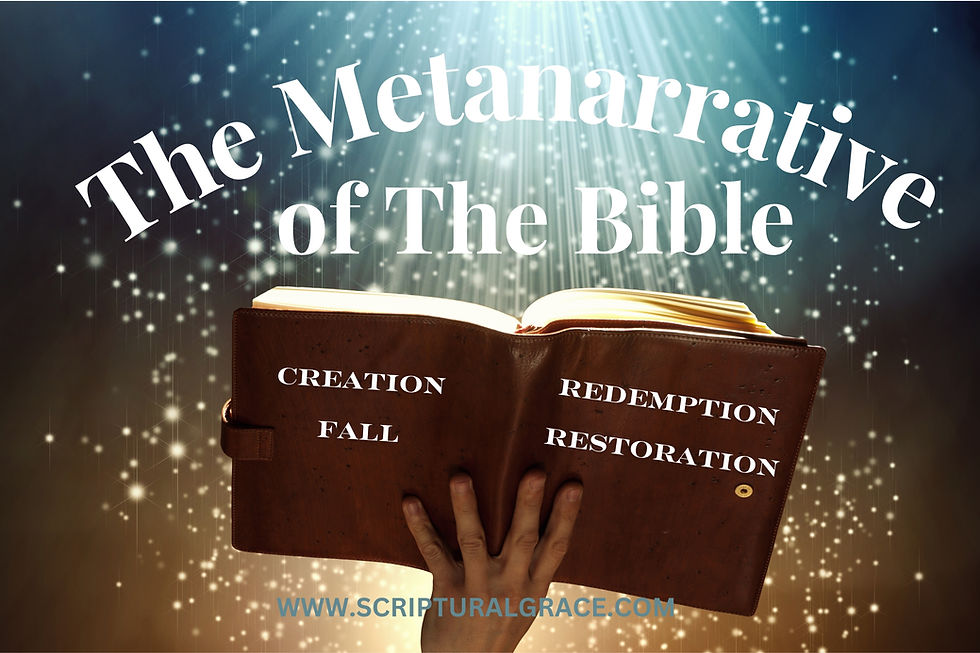
Have you ever wondered what ties together all the stories, events, and characters in the Bible? What is the overarching narrative that connects Genesis to Revelation? In our latest blog post, we delve into the fascinating concept of the Metanarrative of the Bible – the grand overarching story that gives meaning and purpose to the entire biblical text.
Understanding the Metanarrative of the Bible allows us to see the big picture and grasp the cohesive thread that weaves through the diverse genres and themes of Scripture. By exploring this concept, we can gain a deeper appreciation for the unity and continuity of God’s plan for humanity as revealed through the pages of the Bible. Join us as we unravel the layers of this profound narrative and discover how it can enrich our understanding and application of the Word of God.
Exploring the overarching narrative of the Bible: Understanding the Metanarrative
The metanarrative of the Bible is the overarching and unifying storyline that runs through the entire text, from Genesis to Revelation. It provides a framework for understanding the various individual stories, poems, prophecies, and teachings found in the Bible. At its core, the metanarrative of the Bible is the story of God’s redemptive plan for humanity.
The metanarrative can be summarized in four main acts: creation, fall, redemption, and restoration. In the creation act, we see God’s perfect creation of the world and humanity, intended for fellowship with Him. However, humanity’s rebellion against God in the fall act leads to sin entering the world, causing brokenness and separation from God.
The redemption act is where the central theme of the Bible unfolds – God’s plan to restore humanity to Himself through the person and work of Jesus Christ. This act culminates in Jesus’ sacrifice on the cross, His resurrection, and the offer of salvation to all who believe in Him.
Finally, the restoration act looks forward to the future fulfillment of God’s plan, where all things will be made new, and there will be a new heaven and a new earth. This act emphasizes the hope and promise of eternal life with God for those who have been redeemed through Jesus.
Throughout the Bible, this metanarrative is woven into the fabric of every book, revealing God’s character, His love for humanity, and His desire for reconciliation. It provides coherence and unity to the diverse genres, themes, and messages found within the pages of Scripture, pointing to the ultimate purpose of God’s plan for salvation and restoration.
Understanding the metanarrative of the Bible helps readers see the bigger picture of God’s redemptive work throughout history and gives meaning and significance to the individual stories and teachings contained within its pages. It invites us to participate in God’s unfolding plan for humanity and offers hope, purpose, and direction for our lives.
What is an example of a metanarrative?
An example of a metanarrative in the context of the Bible would be God’s plan of redemption. Throughout the Bible, there is a consistent overarching story of God’s love for humanity, his desire to redeem them from sin, and his ultimate plan to bring salvation through Jesus Christ. This metanarrative is woven throughout the various stories, prophecies, and teachings found in the Bible, providing a cohesive framework that ties everything together.
What is the outline of the Bible metanarrative?
The metanarrative of the Bible can be outlined as follows:
1. Creation: God creates the world and everything in it, including humanity in His own image.
2. Fall: Humanity rebels against God, introducing sin and brokenness into the world.
3. Redemption: God initiates a plan to redeem and reconcile humanity back to Himself through covenants, promises, and ultimately through Jesus Christ.
4. Restoration: Through the life, death, and resurrection of Jesus Christ, believers are offered forgiveness, reconciliation, and the hope of eternal life.
5. Consummation: The Bible ends with the promise of the return of Jesus Christ, the final judgment, and the restoration of all things to their intended perfect state.
Overall, the metanarrative of the Bible is about God’s love, redemption, and restoration of His creation, culminating in the ultimate victory of good over evil and the establishment of His kingdom for eternity.
What is the meta story of the Bible?
The meta story of the Bible is God’s plan for redemption and reconciliation with humanity. It starts with the creation of the world and mankind, followed by the fall of humanity into sin and brokenness. Throughout the Old Testament, we see God’s promise to send a Savior to restore the relationship between humans and Himself.
This promise is fulfilled in the New Testament with the coming of Jesus Christ, who lived a sinless life, died on the cross for our sins, and rose again, conquering death. Through faith in Christ, we can be forgiven and reconciled to God, receiving salvation and the hope of eternal life.
The Bible concludes with the promise of Jesus’ return and the final victory over evil, leading to a new heaven and earth where God will dwell among His people for eternity. The overarching theme of the Bible is God’s love and grace towards humanity, offering salvation and hope to all who believe.
Is Christianity a metanarrative?
Yes, Christianity can be considered a metanarrative in the context of the Bible. A metanarrative is a grand story or overarching narrative that provides a framework for understanding the world and our place in it. In Christianity, the Bible serves as the central text that tells the meta-narrative of God’s creation, fall, redemption, and restoration of humanity. This overarching story shapes the beliefs, values, and practices of Christians and provides a lens through which they interpret the world and their own lives. The Bible guides believers in understanding the past, present, and future as part of God’s greater plan for the world, making it a metanarrative in the Christian faith.