
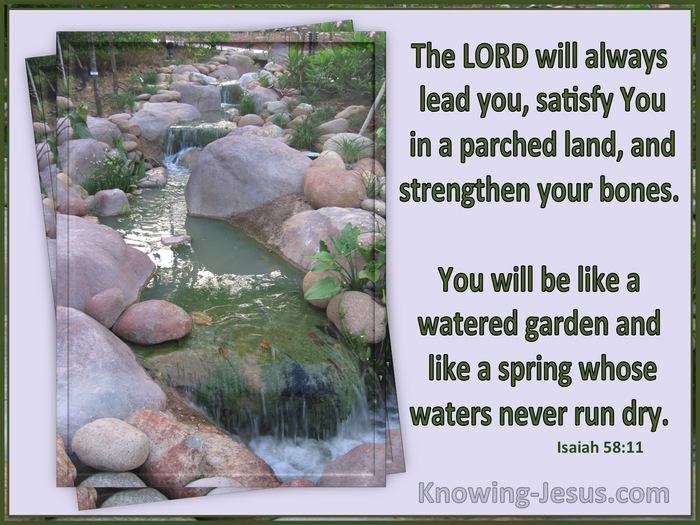
Have you ever considered what the Bible has to say about gardening? Beyond its spiritual teachings and moral guidance, the Bible also provides a wealth of wisdom and insight when it comes to cultivating the land and nurturing plant life. In this blog post, we will explore the biblical references to gardening and uncover the valuable lessons and principles that can be applied to our modern-day practices.
Gardening is not only a fulfilling hobby or a means of sustenance, but it also holds deep spiritual significance. Through the various passages and parables in the Bible, we can learn about the importance of sowing seeds, tending to the soil, and reaping the harvest. By delving into what the Bible says about gardening, we can gain a deeper appreciation for the natural world around us and discover how our efforts in nurturing and caring for plants can reflect our relationship with God and creation.
Exploring Biblical Perspectives on Gardening: Insights from Scripture
What Does the Bible Say About Gardening
Gardening is a practice that has biblical roots, with numerous references to gardens, farming, plants, and cultivation throughout the Scriptures. In fact, the Bible begins with the story of God planting a garden in the Book of Genesis. Let’s explore what the Bible says about gardening and the lessons we can learn from it.
1. God’s Creation: In Genesis 2:8-9, we read about the Garden of Eden, where God planted every beautiful tree and vegetation. This highlights the significance of nature and how God intended for us to take care of His creation.
2. Parables and Lessons: Jesus often used agricultural imagery in His teachings, such as the Parable of the Sower (Matthew 13:3-23) and the Parable of the Mustard Seed (Matthew 13:31-32). These parables emphasize the importance of nurturing our faith and spreading the word of God.
3. Hard Work and Patience: Throughout the Bible, there are verses that speak about the value of hard work and patience in gardening. Proverbs 27:18 states, “He who tends a fig tree will eat its fruit.” This reminds us that just like in gardening, we must put in effort and wait patiently for the fruits of our labor.
4. Seasons and Harvest: Ecclesiastes 3:1-2 tells us, “To everything there is a season, a time for every purpose under heaven… a time to plant, and a time to pluck what is planted.” This verse highlights the cyclical nature of planting and harvesting, teaching us to be mindful of God’s timing in our lives.
5. Blessings and Growth: Psalm 1:3 compares a righteous person to a tree planted by streams of water, yielding fruit in season. This metaphor emphasizes the blessings and growth that come from staying rooted in God’s Word and living a righteous life.
6. Cultivating Faith: Just as we cultivate a garden by removing weeds and nourishing the soil, we must also cultivate our faith by removing sin from our lives and nourishing our spirits through prayer, worship, and studying the Scriptures.
In conclusion, gardening is not only a practical skill but also a spiritual practice that can teach us valuable lessons about faith, patience, and stewardship. By looking to the Bible for guidance on gardening, we can deepen our connection to God’s creation and grow in our spiritual journey.
Is gardening mentioned in the Bible?
Yes, gardening is mentioned in the Bible. In the book of Genesis, God places Adam and Eve in the Garden of Eden to tend and care for it. This is often seen as an indication of the importance of gardening and cultivation of the land in biblical teachings. Additionally, many references to agriculture and farming can be found throughout the Bible, highlighting the significance of working the land and caring for God’s creation.
What does the Bible say about growing plants?
In the Bible, there are several references to growing plants and agriculture. One of the most famous passages is found in 1 Corinthians 3:6-9, where Paul compares the work of planting and watering crops to the work of spreading the gospel. He says, “ I planted the seed, Apollos watered it, but God has been making it grow . So neither the one who plants nor the one who waters is anything, but only God, who makes things grow.”
Another well-known passage related to growing plants is found in Psalm 1:3, which says, “ That person is like a tree planted by streams of water, which yields its fruit in season and whose leaf does not wither—whatever they do prospers.” This verse is often interpreted as a metaphor for the blessings that come to those who follow God’s ways.
Overall, the Bible uses references to agriculture and plant growth to illustrate spiritual truths and lessons, emphasizing the importance of God’s role in nurturing and causing growth in all aspects of life.
What does the Bible say about the gardener?
In the Bible, the concept of a gardener is often used symbolically to represent our relationship with God and His role in tending to us. One of the most significant references to a gardener in the Bible can be found in the book of John, chapter 15, where Jesus describes Himself as the vine and God as the gardener.
In John 15:1-2 (NIV), Jesus says, “I am the true vine, and my Father is the gardener. He cuts off every branch in me that bears no fruit, while every branch that does bear fruit he prunes so that it will be even more fruitful.”
This analogy illustrates God’s care, pruning, and nurturing of His people to help them grow and bear fruit in their lives. It emphasizes the importance of remaining connected to Jesus, the true vine, and allowing God, the gardener, to work in our lives.
Overall, the Bible portrays the gardener as a symbol of God’s loving and attentive care for His creation, nurturing and guiding us to grow in faith and bear spiritual fruit.
What does God say about tending the garden?
In the Bible, God tasks Adam with tending the garden in the book of Genesis. In Genesis 2:15, it is written: “The Lord God took the man and put him in the Garden of Eden to work it and take care of it.” This demonstrates God’s intention for humans to be stewards of the environment, taking responsibility for the care and preservation of the earth. The act of tending the garden signifies our role as caretakers of God’s creation, showing reverence and respect for the natural world.