
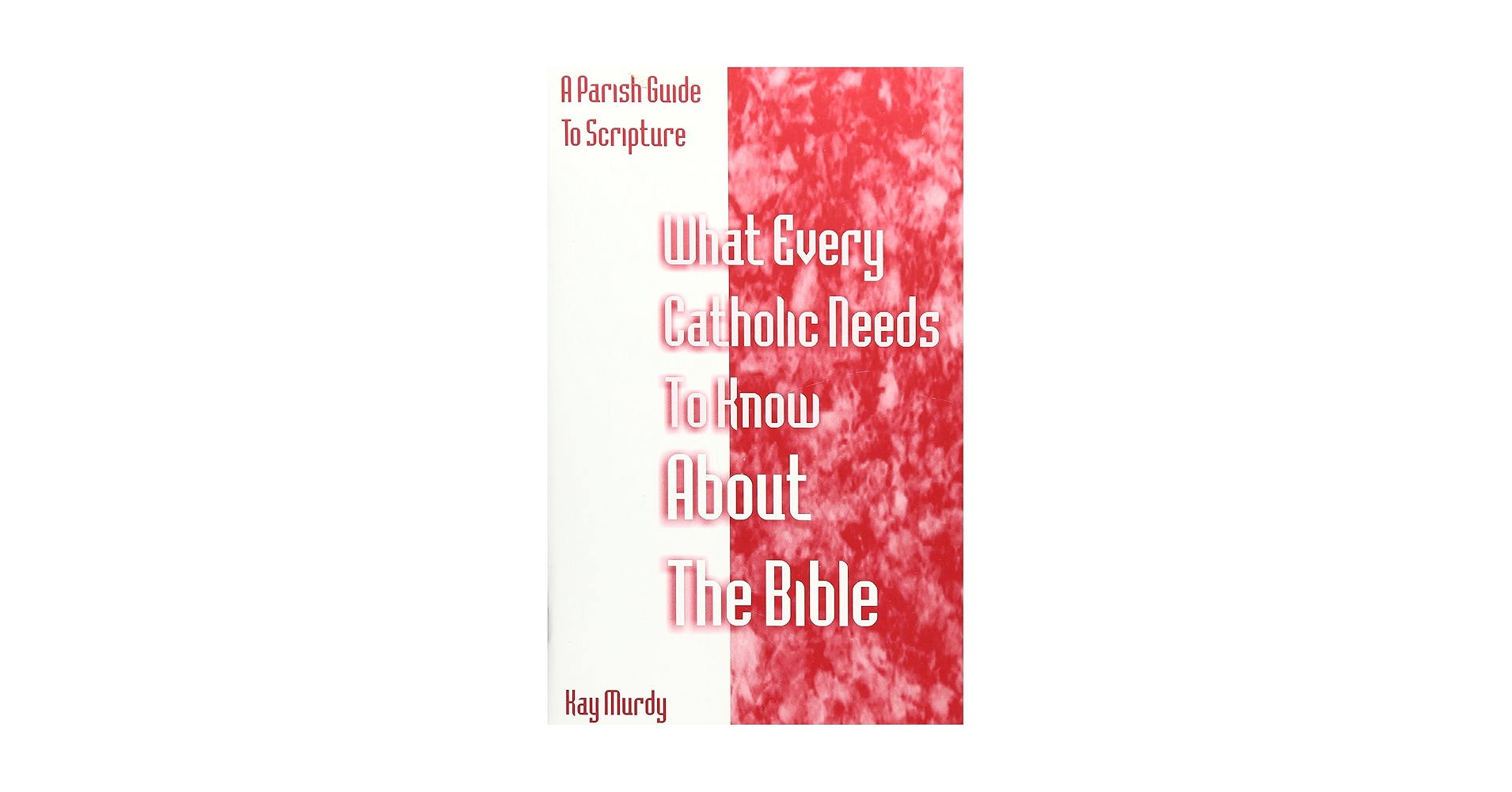
Have you ever wondered what the Bible really means for Catholics? In this blog post, we will delve into the fundamental teachings and significance of the Bible for every Catholic believer. Understanding the Bible is not only a way to deepen your faith but also a powerful tool to strengthen your relationship with God.
“The Bible: What Every Catholic Should Know” aims to provide insight into the importance of scripture in the life of a Catholic. By exploring key concepts, themes, and stories from the Bible, readers can gain a deeper understanding of their faith and how it intersects with the teachings of the Church. Whether you are a lifelong Catholic or new to the faith, this blog post will equip you with essential knowledge about the Bible that can enrich your spiritual journey and nourish your soul.
Unveiling the Essential Bible Knowledge for Catholics
“The Bible: What Every Catholic Should Know” is a comprehensive guide that delves into the sacred text of Christianity from a Catholic perspective. This enriching resource serves as a valuable tool for Catholics seeking to deepen their understanding of the Bible and its significance in their faith journey.
Introduction to the Bible: The Bible is a collection of sacred texts revered in both Judaism and Christianity. For Catholics, the Bible consists of 73 books that are divided into the Old Testament and the New Testament. These books serve as a foundational source of spiritual wisdom and guidance for believers.
Key Themes and Messages: Throughout the pages of the Bible, several key themes and messages emerge that are essential for every Catholic to know. These include the love and mercy of God, the importance of faith and obedience, the promise of salvation through Jesus Christ, and the call to live lives of holiness and service.
Historical Context and Interpretation: Understanding the historical context in which the Bible was written is crucial for interpreting its teachings accurately. The Bible contains a diverse range of literary genres, including historical narratives, poetry, prophecy, and epistles. Each genre requires a different approach to interpretation to grasp the intended meaning fully.
The Role of Tradition: For Catholics, tradition plays a significant role in interpreting the Bible. Sacred Tradition, along with Sacred Scripture, forms the basis of Catholic doctrine and belief. The teachings of the Church, guided by the Holy Spirit, help Catholics interpret the Bible in alignment with the teachings of Christ and the apostles.
Practical Application: Studying the Bible is not merely an academic exercise but a means of deepening one’s relationship with God and living out the principles of the Christian faith. Catholics are encouraged to read and reflect on the Bible regularly, allowing its timeless wisdom to shape their beliefs, values, and actions.
Challenges and Controversies: The Bible is a complex and multifaceted text that has sparked debates and controversies throughout history. Different interpretations of biblical passages have led to theological disagreements and schisms within the Christian community. Understanding these challenges can help Catholics engage more deeply with the text and appreciate its richness.
Conclusion: “The Bible: What Every Catholic Should Know” serves as a valuable resource for Catholics seeking to deepen their understanding of the sacred text that forms the foundation of their faith. By exploring the key themes, historical context, role of tradition, practical application, and challenges of the Bible, Catholics can enrich their spiritual journey and grow in their relationship with God.
What are 5 things every Catholic should know?
1. The Bible is the Word of God: Catholics should know that the Bible contains inspired messages from God to guide and instruct believers in their faith.
2. The importance of prayer: Catholics should understand the significance of prayer in building a relationship with God and seeking His guidance and grace.
3. The Sacraments: Catholics should be aware of the seven sacraments instituted by Christ, including Baptism, Eucharist, and Confession, which are essential for the spiritual life of a believer.
4. The teachings of the Church: Catholics should familiarize themselves with the teachings of the Church, including doctrines on salvation, morality, and social justice.
5. The lives of the saints: Catholics should learn about the lives of holy men and women who have exemplified Christian virtues and serve as role models for living a life of faith.
What Bible should Catholics have?
Catholics should have the Catholic Bible. The Catholic Bible includes additional books in the Old Testament known as the Deuterocanonical books, which are not found in Protestant Bibles. These books are considered canonical by the Catholic Church. It is important for Catholics to have a Bible that includes these additional texts to have a complete collection of sacred scriptures according to the teachings of the Catholic faith.
What are the 4 essentials for every Catholic?
The four essentials for every Catholic in the context of the Bible are:
1. Prayer: Regular communication with God through prayer is essential for deepening one’s relationship with God and seeking guidance in life.
2. Scripture: Reading and studying the Bible is crucial for Catholics to grow in their faith, gain knowledge of God’s word, and understand His will for their lives.
3. Sacraments: Participating in the sacraments, especially the Eucharist and Reconciliation, is vital for Catholics to receive God’s grace and strengthen their spiritual journey.
4. Community: Being part of a supportive Christian community, such as a parish or small group, nourishes faith, provides fellowship, and enables believers to share in worship and service together.
What are the 7 extra books of the Bible that Catholics have?
The 7 extra books of the Bible that Catholics have are Tobit, Judith, Wisdom, Sirach (Ecclesiasticus), Baruch, and 1 and 2 Maccabees. These books, also known as the deuterocanonical books, are not found in the Protestant Bible but are included in the Catholic Old Testament.