
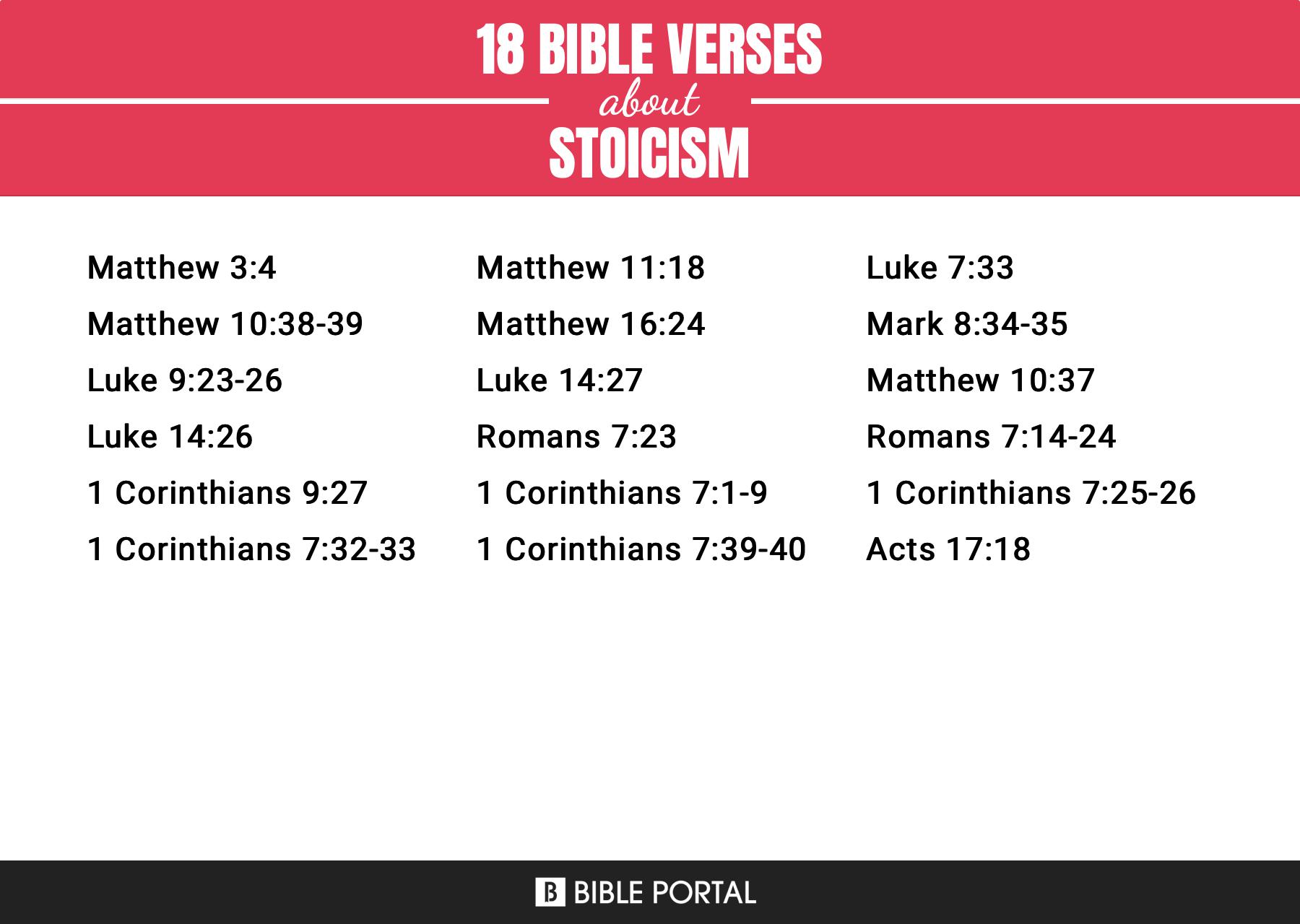
Have you ever wondered how the principles of Stoicism align with the teachings of the Bible? In this blog post, we will explore what the Bible says about Stoicism and how these ancient philosophies can be applied to our modern lives. By understanding the similarities and differences between Stoicism and the Bible, we can gain a deeper insight into how to cultivate resilience, peace, and wisdom in our daily lives.
Stoicism emphasizes virtues such as self-control, courage, and wisdom, which are also important values taught in the Bible. By examining the intersections between these two traditions, we can learn how to navigate challenges with grace and strength, while also cultivating a deeper sense of purpose and fulfillment. Join us on this journey of exploration and reflection as we delve into the rich wisdom of both Stoicism and the Bible.
Exploring the Biblical Perspective on Stoicism: Insights and Perspectives
What Does the Bible Say About Stoicism
Stoicism is a philosophical school of thought that originated in ancient Greece and was later developed by Roman philosophers such as Seneca, Epictetus, and Marcus Aurelius. It emphasizes the importance of self-control, resilience, and the acceptance of things beyond our control. Stoics believed in living a life of virtue, reason, and in harmony with nature.
In contrast, the Bible presents a different perspective on life and how one should approach challenges and hardships. While there are some similarities between Stoicism and certain teachings found in the Bible, there are also significant differences in their underlying principles and beliefs.
The Bible teaches that humans are imperfect and in need of redemption through faith in Jesus Christ. It emphasizes the importance of love, compassion, forgiveness, and humility. Rather than seeking to control external circumstances, the Bible encourages believers to trust in God’s plan and to find strength and peace in Him.
One key difference between Stoicism and the Bible is the concept of surrendering to a higher power. While Stoicism promotes self-reliance and inner strength, the Bible teaches that true strength comes from relying on God and surrendering to His will. The Bible encourages believers to cast their anxieties on God and to seek His guidance and wisdom in all things.
Furthermore, Stoicism often advocates for detachment and indifference towards external events and emotions, while the Bible encourages believers to engage with their emotions and to express their feelings honestly before God. The Bible acknowledges the reality of pain and suffering but offers hope and comfort through the promise of eternal life and the presence of God’s love and grace.
In conclusion, while there may be some overlap between Stoic philosophy and certain teachings found in the Bible, they ultimately offer distinct worldviews and approaches to life. The Bible emphasizes the importance of faith, love, and humility, while Stoicism stresses self-control, resilience, and acceptance. Ultimately, individuals must discern for themselves which path aligns most closely with their beliefs and values.
Is Stoicism compatible with Christianity?
Stoicism and Christianity share some similarities in terms of values such as self-control, virtue, and acceptance of adversity. However, there are key differences between the two belief systems that may make them incompatible for some individuals.
Stoicism is a philosophy that emphasizes personal virtue, self-control, and detachment from our emotions in order to achieve inner peace and live in harmony with the natural order of the universe. On the other hand, Christianity is a faith that centers around the belief in God, Jesus Christ as the savior, and the importance of faith, love, and forgiveness.
While some individuals may find ways to incorporate elements of Stoicism into their Christian beliefs, others may see conflicts between the two worldviews. For example, the emphasis on self-reliance and detachment in Stoicism may contradict the teachings of dependence on God and love for others in Christianity.
Ultimately, whether Stoicism is compatible with Christianity depends on how an individual interprets and practices the teachings of both belief systems. Some may find that certain aspects of Stoicism complement their Christian faith, while others may feel that the differences between the two are too great to reconcile.
What is a Stoic in the Bible?
In the context of the Bible, a Stoic refers to a follower of Stoicism, an ancient Greek philosophy that emphasizes self-control, virtue, and living in harmony with nature. Stoics believed in accepting things beyond their control and maintaining inner peace and tranquility despite external circumstances. While the Bible does not directly mention Stoicism, some scholars have drawn parallels between certain Stoic teachings and biblical principles, particularly related to virtues such as patience, self-discipline, and contentment.
Is being Stoic against God?
Being Stoic is not necessarily against God in the context of the Bible. Stoicism teaches individuals to endure pain and hardship with great strength and resilience, which can align with Christian teachings on enduring trials and tribulations. However, where Stoicism may diverge from Christian beliefs is in its emphasis on self-sufficiency and detachment from emotions, whereas Christianity encourages reliance on God and emotional connection with others. Ultimately, whether being Stoic is seen as against God in the context of the Bible may depend on how it is practiced and interpreted by an individual within their Christian faith.
What religion is closest to Stoicism?
The religion that is closest to Stoicism in the context of Bible would be Christianity. Stoicism focuses on living in accordance with nature and accepting the things that cannot be changed, while Christianity emphasizes faith, love, and following the teachings of Jesus Christ. Both philosophies stress the importance of virtue, self-control, and inner peace in dealing with life’s challenges.