
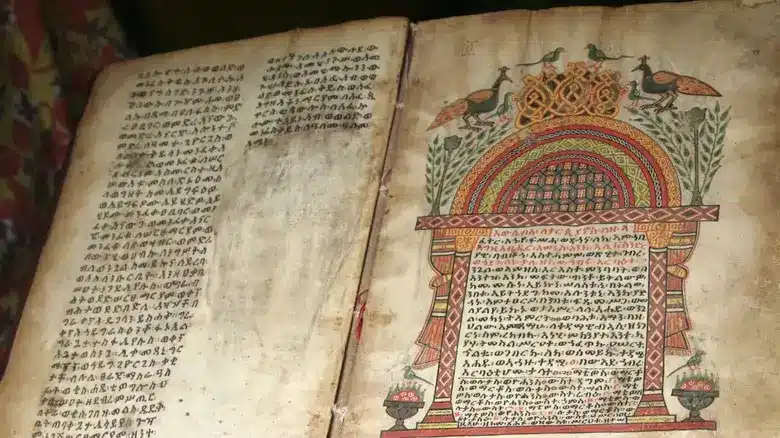
Have you ever wondered about the origins of the Bible and the rich history behind its translations? In this blog post, we delve into the fascinating discovery of an Ethiopian Bible that predates the famous King James Version. This ancient manuscript sheds light on a lesser-known aspect of biblical history and offers a unique perspective on the development of the sacred text.
Exploring the Ethiopian Bible older than the King James Version provides us with a rare opportunity to expand our understanding of the diverse translations and interpretations of the scriptures. By uncovering the roots of this ancient text, we gain valuable insights into the cultural and historical contexts that have shaped the Bible over centuries. Join us on this journey as we unravel the mysteries of this remarkable discovery and appreciate the significance of preserving these treasures of biblical heritage.
Unveiling the Ancient Ethiopian Bible Predating King James: A Historical Revelation
The Ethiopian Bible, also known as the Ge’ez Bible or the Ethiopian Orthodox Tewahedo Church Canon, is a collection of ancient religious texts that make up the Christian biblical canon in the Ethiopian Orthodox Tewahedo Church. This Bible is renowned for its unique content and historical significance, dating back to a period older than the King James Version of the Bible.
The Ethiopian Bible includes several books that are not found in the Protestant or Catholic canons of the Bible. These additional books are known as the “Deuterocanonical” or “Apocryphal” books and are considered canonical by the Ethiopian Orthodox Tewahedo Church. Some of these books include the Book of Enoch, the Book of Jubilees, and the Ascension of Isaiah.
One of the most significant features of the Ethiopian Bible is the inclusion of the Book of Enoch. This ancient text describes the story of the prophet Enoch and his visions of heaven and earth. The Book of Enoch provides insights into angelology, eschatology, and the nature of sin and judgment. It has had a profound influence on Ethiopian Christianity and is highly revered in the Ethiopian Orthodox tradition.
In addition to the Book of Enoch, the Ethiopian Bible contains other unique texts that offer valuable perspectives on biblical history and theology. The Book of Jubilees, for example, presents a retelling of Genesis and Exodus that emphasizes the importance of observing the Law of Moses. This text sheds light on the religious beliefs and practices of the ancient Jewish community and provides context for understanding the biblical narrative.
The Ethiopian Bible also includes the Ascension of Isaiah, a text that describes the prophet Isaiah’s heavenly journey and visions of the end times. This apocalyptic work explores themes of salvation, judgment, and the coming of the Messiah. The Ascension of Isaiah has contributed to Ethiopian interpretations of prophecy and eschatology, shaping the church’s understanding of the future.
Overall, the Ethiopian Bible is a treasure trove of ancient wisdom and spiritual insight. Its unique collection of texts offers a rich tapestry of biblical teachings and narratives that have shaped the religious beliefs and practices of the Ethiopian Orthodox Tewahedo Church for centuries. Studying the Ethiopian Bible provides a valuable opportunity to explore the diverse traditions within the Christian faith and gain a deeper understanding of the complexities of biblical interpretation.
Is the oldest Bible in the world in Ethiopia?
Yes, the oldest Bible in the world is believed to be located in Ethiopia. The Ethiopian Bible is known as the Garima Gospels and is said to date back to the 5th or 6th century, making it one of the oldest illuminated Christian manuscripts in existence. This ancient Bible is housed in the Abba Garima Monastery in northern Ethiopia and is considered a significant historical and religious artifact.
What is the difference between the Ethiopian Bible and KJV?
The Ethiopian Bible, also known as the Ethiopian Orthodox Tewahedo Church Canon, contains several books that are not found in the King James Version (KJV) of the Bible. One key difference is the inclusion of the *Book of Enoch*, which is considered canonical in the Ethiopian Orthodox tradition but not in most other Christian denominations.
Another significant difference is the *number of books* included in each version. The Ethiopian Bible has 81 books in total, while the KJV has 66 books in its standard Protestant form. Additionally, the *ordering of the books* can vary between the two versions.
Furthermore, the Ethiopian Bible has *unique textual variations* and interpretations of certain passages compared to the KJV. These differences can be attributed to the historical development of the Ethiopian Orthodox Church and its distinct theological traditions.
Overall, while both the Ethiopian Bible and the KJV share core biblical texts, the inclusion of additional books, variations in the number and order of books, and distinct interpretations make them different versions of the Bible.
How much older is the Ethiopian Bible?
The Ethiopian Bible is significantly older than the traditional Christian Bible. It includes ancient texts that are not found in other versions, such as the Book of Enoch, Jubilees, and the Ethiopic version of the Book of Jeremiah. These additional books date back to the early centuries AD and provide unique insights into Ethiopian Christianity and its traditions.
What Bible is older than the KJV?
The Bible that is older than the King James Version (KJV) is the Latin Vulgate. The Latin Vulgate is a translation of the Bible into Latin and was completed by Saint Jerome in the 4th century AD. It was the dominant version of the Bible used in Western Christianity for over a thousand years before the KJV was translated into English in 1611.