
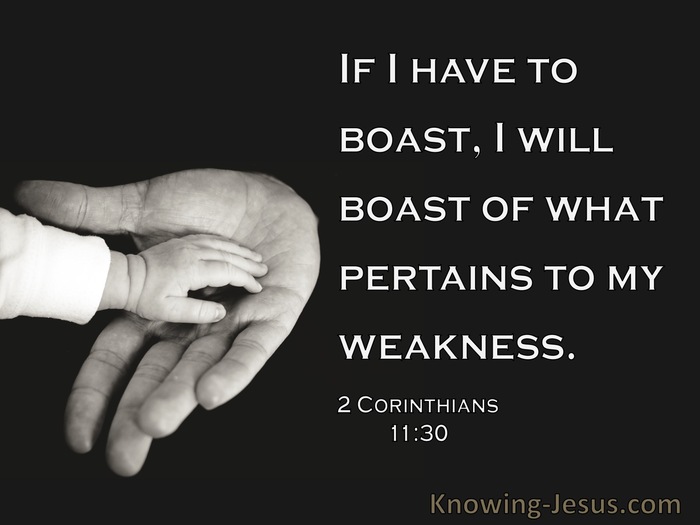
Have you ever considered what the Bible says about vulnerability? In a world that often values strength and self-sufficiency, exploring this topic can offer a refreshing perspective on the importance of opening up and being authentic. Embracing vulnerability allows for deeper connections with others and with God, leading to a greater sense of community, understanding, and growth.
In this blog post, we will dive into key scriptures that highlight the beauty and power of vulnerability as portrayed in the Bible. By understanding and embracing vulnerability through a biblical lens, we can find freedom from fear and shame, cultivate empathy and compassion, and experience the transformative work of God in our lives. Join us on this journey of discovery and reflection as we explore what the Bible says about vulnerability and how it can positively impact our relationships and spiritual well-being.
The Biblical Perspective on Embracing Vulnerability
What the Bible Says About Vulnerability
Vulnerability is often seen as a weakness in our society, a quality to be avoided at all costs. However, the Bible offers a different perspective on vulnerability and its importance in our lives. In fact, vulnerability is a theme that runs throughout the Bible, highlighting the power of being open and honest about our weaknesses.
One of the most famous examples of vulnerability in the Bible is found in the story of Jesus in the Garden of Gethsemane. In this moment of intense emotional turmoil, Jesus reveals his vulnerability to his disciples, expressing his fear and anguish before his impending crucifixion. This act of vulnerability serves as a powerful example for us all, showing that it is okay to be honest about our fears and struggles.
In addition to Jesus’ example, the Bible also emphasizes the importance of vulnerability in our relationships with others. In James 5:16, we are encouraged to “confess your sins to each other and pray for each other so that you may be healed.” This passage highlights the healing power of vulnerability, showing that by opening up to one another, we can find strength and support in our times of need.
Furthermore, vulnerability is closely linked to humility in the Bible. In 2 Corinthians 12:9, Paul writes, “But he said to me, ‘My grace is sufficient for you, for my power is made perfect in weakness.’ Therefore I will boast all the more gladly about my weaknesses, so that Christ’s power may rest on me.” This verse illustrates the idea that by embracing our vulnerabilities, we open ourselves up to God’s grace and strength.
Ultimately, the Bible teaches us that vulnerability is not a weakness to be ashamed of, but rather a strength to be embraced. By being vulnerable, we allow God’s power to work through us, transforming our weaknesses into sources of strength and healing. So let us follow the example of Jesus, and open our hearts to vulnerability, knowing that in our weaknesses, God’s strength is made perfect.
What God says about vulnerability?
In the Bible, God acknowledges the importance of vulnerability and openness. One key verse that addresses vulnerability is found in 2 Corinthians 12:9, where God says to the apostle Paul, “My grace is sufficient for you, for my power is made perfect in weakness.” This highlights the idea that when we are vulnerable and weak, God’s strength is revealed and works through us. Additionally, in James 4:10, it is written, “Humble yourselves before the Lord, and he will lift you up.” This verse emphasizes the significance of being vulnerable and humble before God, as it allows His grace and power to work in our lives. Overall, the Bible teaches that vulnerability is not a sign of weakness, but rather a pathway for God to demonstrate His strength and lift us up.
What does it mean to be vulnerable spiritually?
Being vulnerable spiritually in the context of the Bible refers to a state of openness and honesty before God. It involves acknowledging our weaknesses, doubts, fears, and sins before Him, without trying to hide or cover them up. When we are vulnerable spiritually, we allow God to work in us, to heal us, and to transform us according to His will. It requires humility, trust, and a willingness to surrender control to God, knowing that He is faithful and merciful. In this state of vulnerability, we can experience deep intimacy with God and grow in our relationship with Him.
What does God say about protecting the vulnerable?
In the Bible, God emphasizes the importance of protecting the vulnerable and advocating for justice for those who are oppressed. Throughout the Old Testament, there are numerous verses that highlight God’s concern for the marginalized and downtrodden. For example, in Psalm 82:3-4, it says, “Defend the weak and the fatherless; uphold the cause of the poor and the oppressed. Rescue the weak and the needy; deliver them from the hand of the wicked.” Additionally, in Proverbs 31:8-9, it states, “Speak up for those who cannot speak for themselves, for the rights of all who are destitute. Speak up and judge fairly; defend the rights of the poor and needy.” These passages emphasize God’s call for His people to protect and advocate for those who are vulnerable and in need.
How to be vulnerable to God?
To be vulnerable to God in the context of the Bible means to approach Him with an open heart and a willingness to be completely honest and transparent in our relationship with Him. Here are some key ways to be vulnerable to God:
1. Prayer: Communicate openly and honestly with God in your prayers. Share your fears, doubts, hopes, and struggles with Him, knowing that He already knows your heart.
2. Confession: Acknowledge your sins and shortcomings before God, confessing them honestly and seeking His forgiveness and grace.
3. Trust: Trust in God’s love, mercy, and faithfulness, knowing that He cares for you deeply and desires a genuine relationship with you.
4. Surrender: Surrender control of your life to God, recognizing that He knows what is best for you and trusting in His plans and purposes.
5. Seek His guidance: Be open to God’s leading and guidance in your life, allowing Him to direct your steps and shape your character according to His will.
By being vulnerable to God in these ways, we cultivate a deeper, more intimate relationship with Him, experiencing His presence, peace, and power in our lives.