
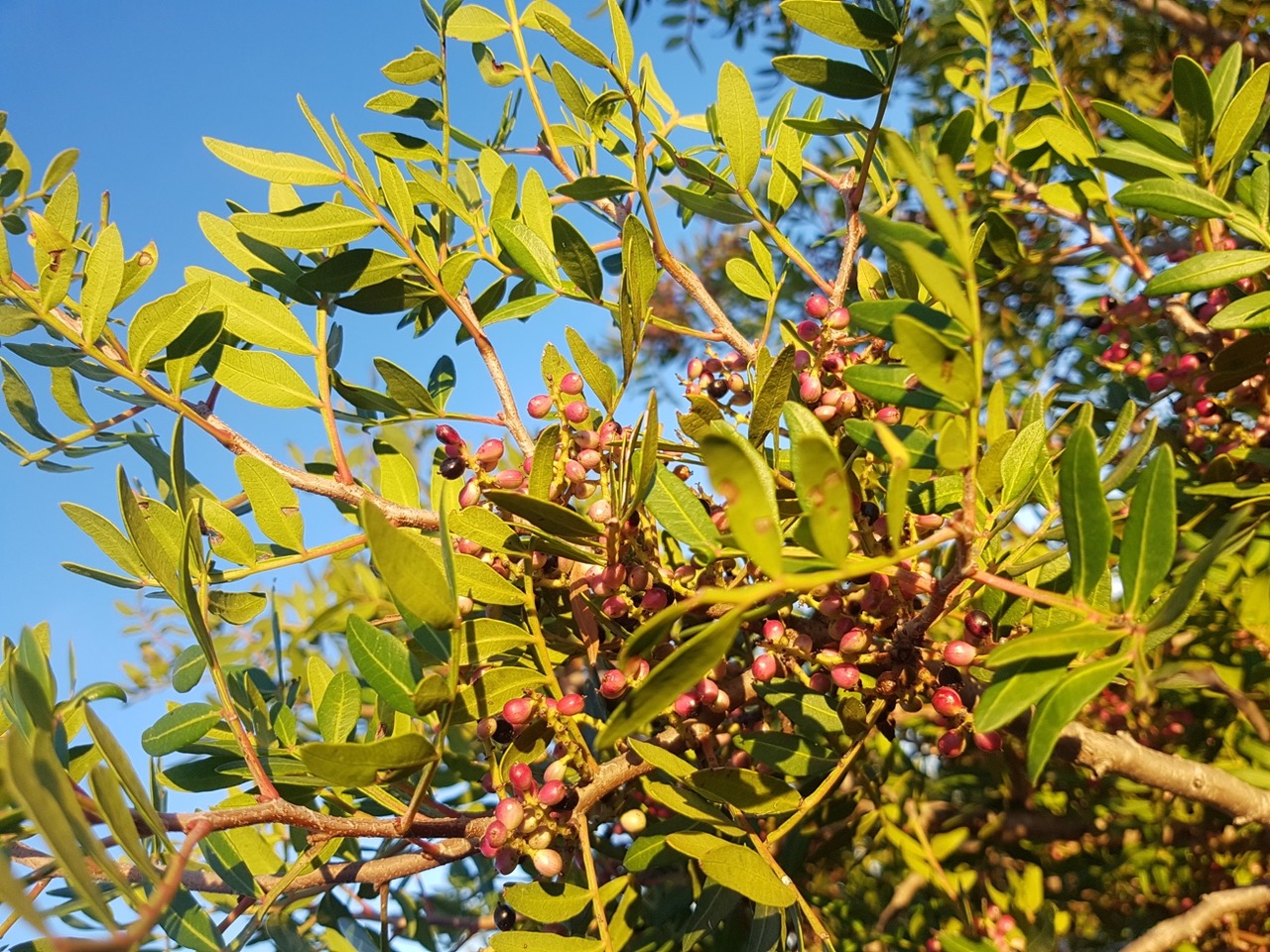
Have you ever come across mentions of the “terebinth tree” in the Bible and wondered about its significance? In this blog post, we will explore the fascinating meaning behind the terebinth tree in the Bible and how it offers valuable insights into ancient culture and spiritual symbolism. Understanding the significance of the terebinth tree can deepen our appreciation for the rich tapestry of imagery and metaphors woven throughout the scriptures.
Delving into the symbolic meaning of the terebinth tree in the Bible can provide us with a deeper understanding of biblical narratives and teachings. By unraveling the layers of meaning associated with this tree, we can uncover hidden messages and truths that enhance our spiritual journey. Join us on this exploration of the terebinth tree in the Bible to discover the profound lessons it holds for us today.
Unveiling the Symbolism of the Terebinth Tree in the Bible
The Terebinth tree holds significant symbolism and meaning in the Bible, mentioned several times throughout both the Old and New Testaments. Also known as the Pistacia terebinthus or the turpentine tree, it is a species of tree that grows in the Mediterranean region and the Middle East.
In the Bible, the Terebinth tree is often associated with locations of importance and divine encounters. One notable mention is in Genesis 35:8, where Jacob buries the idols and foreign gods of his household under a Terebinth tree near Shechem. This act symbolizes the purification and sanctification of Jacob’s family before they continue their journey.
Another significant reference to the Terebinth tree is found in Judges 6:11-24, where the angel of the Lord appears to Gideon under a Terebinth tree. This encounter marks the beginning of Gideon’s calling as a judge and leader of Israel. The Terebinth tree serves as a sacred space where divine messages are delivered and where individuals are called to fulfill their destiny.
In Isaiah 1:29-31, the Terebinth tree is mentioned in the context of idol worship and rebellion against God. The people are warned that their idolatry will lead to their downfall, likened to a withered Terebinth tree whose leaves fade away. This serves as a reminder of the consequences of turning away from God and seeking false gods.
In the New Testament, the Terebinth tree is not directly mentioned, but the symbolism of trees as representations of faith and growth can be applied. In Luke 17:5-6, Jesus speaks about faith as small as a mustard seed being able to uproot a mulberry tree and plant it in the sea. This imagery underscores the power of faith and the potential for miraculous transformation.
Overall, the Terebinth tree in the Bible carries diverse meanings ranging from purification and sanctification to divine encounters and warnings against idolatry. Its presence in various biblical narratives highlights the significance of natural elements in conveying spiritual truths and serving as symbols of faith, growth, and obedience to God’s will.
What is a terebinth tree in Isaiah?
In the book of Isaiah in the Bible, a terebinth tree is mentioned in Isaiah 1:29-30. In these verses, the prophet Isaiah uses the imagery of the terebinth tree to convey the idea of idolatry and spiritual unfaithfulness among the people of Israel.
The terebinth tree is often associated with pagan worship practices, as it was commonly used as a symbol of idol worship in the ancient Near East. In this context, the mention of the terebinth tree in Isaiah indicates the people’s deviation from true worship of God and their involvement in idolatrous practices.
Isaiah uses the imagery of the terebinth tree to highlight the spiritual decay and moral corruption of the people, emphasizing the need for repentance and turning back to God. The prophet warns of the consequences of their actions, including the judgment and punishment that will follow if they continue in their unfaithfulness.
Overall, the mention of the terebinth tree in Isaiah serves as a powerful metaphor for the spiritual condition of the people and the importance of remaining faithful to God.
What is unique about the terebinth tree?
In the Bible, the terebinth tree is often mentioned in association with significant events and locations. The terebinth tree is unique in that it is often seen as a symbol of strength, endurance, and shelter. It is frequently portrayed as a place of refuge or meeting, where important decisions are made or divine encounters occur. For example, in Genesis 35:8, Deborah, Rebekah’s nurse, is buried under a terebinth tree near Bethel. Additionally, in Judges 6:11-24, the angel of the Lord appears to Gideon under a terebinth tree and commissions him to deliver Israel from the Midianites. The terebinth tree symbolizes the presence of God and serves as a sacred marker in biblical narratives.
What is the meaning of the name terebinth?
Terebinth is a type of tree mentioned in the Bible, specifically in the Old Testament. The word “terebinth” refers to a species of oak tree known for its large size and spreading branches. In Biblical times, terebinth trees were often associated with places of worship or spiritual significance. They were commonly used as locations for making offerings and holding ceremonies. The presence of a terebinth tree in a Biblical story may symbolize a sacred or significant encounter with God.
Where is the terebinth tree in the Bible?
The terebinth tree is mentioned in the Bible in several places. One prominent mention is in Genesis 35:8, where it is said that Deborah, Rebekah’s nurse, was buried under a terebinth tree and it was called the “oak of weeping.” Another reference can be found in Judges 6:11, where Gideon was said to be threshing wheat near a terebinth tree when the angel of the Lord appeared to him.