
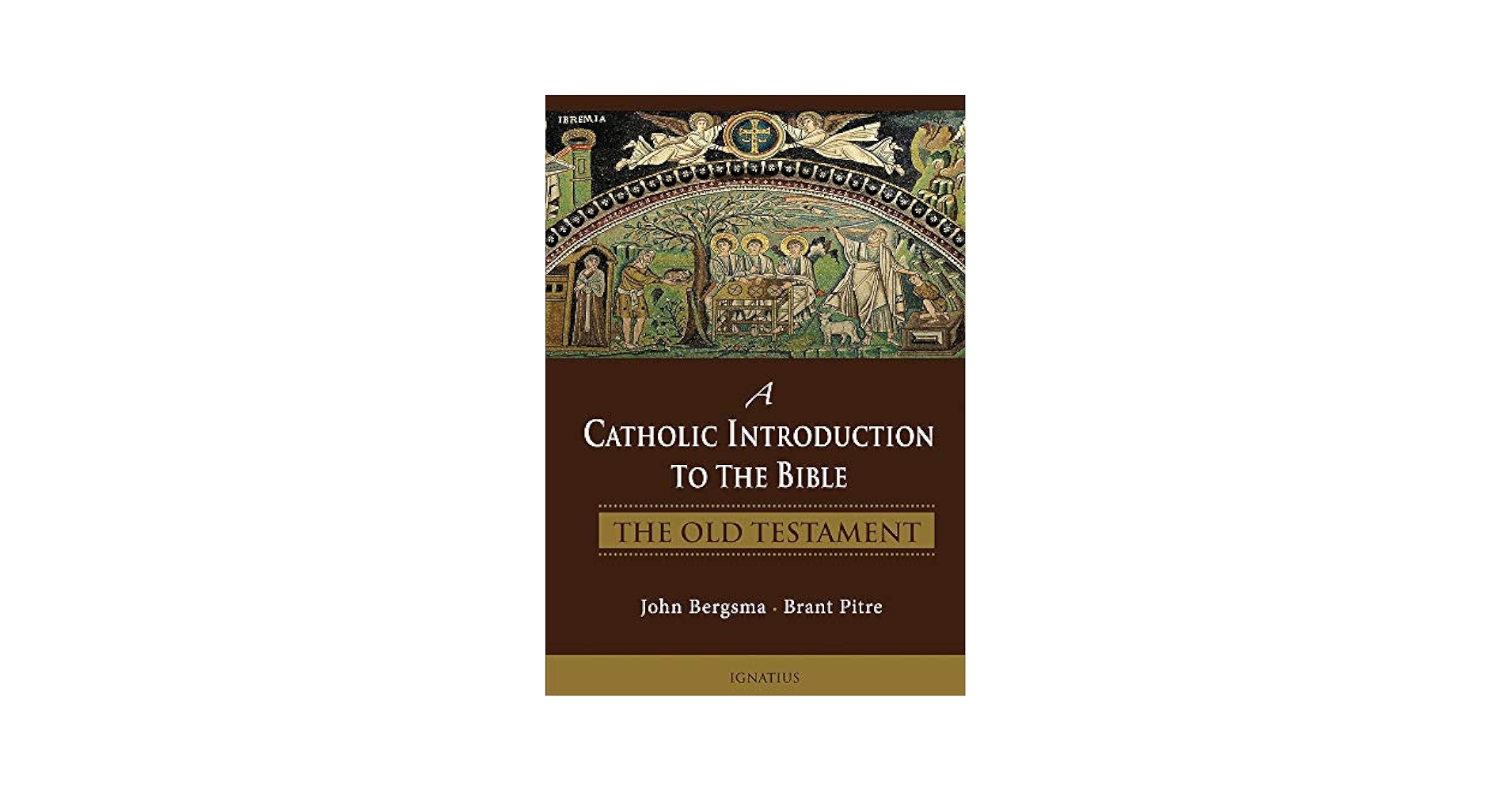
Have you ever wanted to deepen your understanding of the Old Testament from a Catholic perspective? If so, you’re in the right place. In this blog post titled “A Catholic Introduction to the Bible: The Old Testament,” we will explore the rich and profound teachings of the Old Testament through the lens of Catholic tradition and doctrine. By delving into the sacred texts with a Catholic perspective, you will gain a deeper appreciation for the history, theology, and spiritual insights found within these ancient writings.
Understanding the Old Testament from a Catholic viewpoint offers a unique opportunity to connect with our faith heritage and deepen our relationship with God. Through this exploration, you will discover how the stories, prophecies, and wisdom contained in the Old Testament continue to hold relevance and significance in our lives today. Join us on this journey as we uncover the beauty and depth of the Old Testament through a Catholic lens, and experience the transformative power of God’s word in a new and profound way.
Discovering the Foundations of Catholic Faith in the Old Testament
A Catholic Introduction to the Bible: The Old Testament
The Old Testament is a foundational scripture for the Catholic faith, serving as the sacred text that tells the story of God’s covenant with his chosen people, the Israelites. It is a collection of diverse writings that include historical narratives, laws, prophecies, poetry, and wisdom literature. Understanding the Old Testament is crucial for Catholics as it provides the background and context for the New Testament and the teachings of Jesus Christ.
The Old Testament is divided into several major sections: the Pentateuch, Historical Books, Wisdom Books, and Prophetic Books. The Pentateuch, also known as the Torah, consists of the first five books of the Old Testament: Genesis, Exodus, Leviticus, Numbers, and Deuteronomy. These books contain the foundational stories of the Israelite people, including the creation of the world, the patriarchs, the exodus from Egypt, and the giving of the Law at Mount Sinai.
The Historical Books, including Joshua, Judges, Samuel, and Kings, recount the history of the Israelites from their conquest of the Promised Land to the Babylonian exile. These books highlight the ups and downs of Israelite monarchy, the role of the prophets, and the consequences of disobedience to God’s commandments.
The Wisdom Books, such as Job, Psalms, Proverbs, Ecclesiastes, and Song of Songs, offer reflections on the nature of God, human suffering, morality, and the search for meaning in life. These books provide insight into how to live a virtuous and fulfilling life according to God’s wisdom.
The Prophetic Books, divided into Major and Minor Prophets, contain the messages of God’s chosen messengers to the people of Israel. These prophets call the Israelites to repentance, warn of impending judgment, and offer hope for restoration and renewal. Their words are still relevant today, calling believers to fidelity and justice.
Throughout the Old Testament, there are recurring themes such as covenant, promise, redemption, and the coming of the Messiah. These themes foreshadow the fulfillment of God’s plan for salvation in the person of Jesus Christ as revealed in the New Testament. For Catholics, the Old Testament is not just a collection of ancient texts but a living and relevant Word of God that continues to speak to us today.
Studying the Old Testament deepens our understanding of God’s faithfulness, mercy, and love for his people. It challenges us to live lives of holiness, justice, and compassion in response to God’s call. By immersing ourselves in the stories, teachings, and prayers of the Old Testament, we grow in our relationship with God and our commitment to live out the Gospel message in our daily lives.
Do Catholics believe in the Old Testament of the Bible?
Yes, Catholics believe in the Old Testament of the Bible. The Old Testament is considered sacred scripture in the Catholic faith, containing teachings, laws, prophecies, and histories that are significant to their understanding of God’s relationship with humanity. It is seen as an essential part of the Christian Bible along with the New Testament.
What is the introduction of the Old Testament?
The introduction of the Old Testament serves as the foundation of the Bible, providing insights into the history, theology, and narratives that shape Judeo-Christian faith. It is divided into several sections, including the Torah, Historical Books, Wisdom Literature, and Prophetic Books.
The Torah, also known as the Pentateuch, consists of the first five books of the Old Testament: Genesis, Exodus, Leviticus, Numbers, and Deuteronomy. These books recount the creation of the world, the establishment of God’s covenant with the Israelites, and the laws given to Moses on Mount Sinai.
The Historical Books narrate the history of the Israelites from their entry into the Promised Land to the exile in Babylon. They include accounts of the conquest of Canaan, the rise and fall of Israelite kings, and the struggles of the people to remain faithful to God.
The Wisdom Literature contains poetic and philosophical writings that offer insights into human nature, morality, and the pursuit of wisdom. Books such as Psalms, Proverbs, and Job explore themes of praise, wisdom, and suffering.
The Prophetic Books feature the messages of prophets who called the Israelites to repentance and faithfulness. These books contain warnings of judgment for disobedience, promises of restoration, and visions of a future messianic kingdom.
Overall, the introduction of the Old Testament provides a comprehensive overview of the biblical narrative, offering readers a glimpse into the rich tapestry of history, wisdom, prophecy, and faith that comprises the Judeo-Christian tradition.
What are the 7 extra books of the Bible that Catholics have?
The 7 extra books of the Bible that Catholics have are known as the Deuterocanonical books. These books are Tobit, Judith, Wisdom, Sirach, Baruch, and 1 and 2 Maccabees. They are considered canonical by the Catholic Church but are not included in the Protestant Bible.
Is the Old Testament the beginning of the Bible?
Yes, the Old Testament is the beginning of the Bible. It contains the sacred scriptures of the Jewish faith, including books such as Genesis, Exodus, Psalms, and Isaiah, among others. The Old Testament provides historical accounts, laws, prophecies, and wisdom literature that form the foundation of Judeo-Christian beliefs.