
Have you ever wondered if white people are mentioned in the Bible? This question has sparked curiosity and discussion among many individuals looking to explore the diverse representations within biblical narratives. In this blog post, we will delve into the various perspectives and interpretations surrounding the presence, or absence, of white individuals in the Bible.
By examining the portrayal of ethnicities and identities in the biblical text, we aim to shed light on the significance of inclusivity and representation in religious discourse. Understanding how different cultures are depicted in the Bible can provide valuable insights into historical contexts and the evolution of interpretations over time. Join us as we uncover the nuanced connections between race, ethnicity, and spirituality in one of the most widely studied texts in human history.
Exploring the Presence of White People in the Bible: Unveiling Surprising Insights
Are White People in the Bible?
The question of whether there are white people mentioned in the Bible is a topic of debate among scholars and theologians. The Bible was written in ancient times, and the concept of race as we understand it today did not exist then. However, some individuals and groups have tried to interpret the descriptions of people found in the Bible through a racial lens.
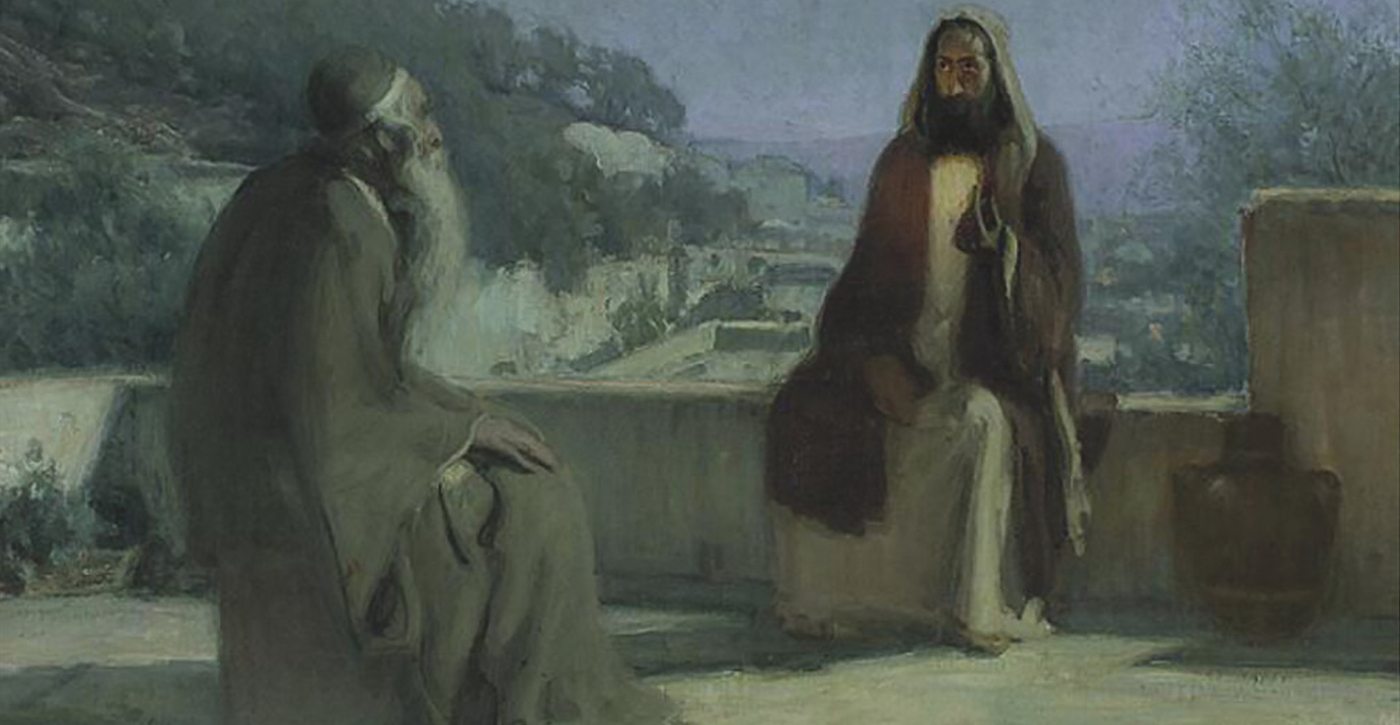
One argument often put forth is that the Israelites, who are central to many biblical narratives, were white. This belief is based on artistic representations and cultural depictions that have portrayed biblical figures as having European features. However, it is important to remember that these depictions are influenced by the cultural context in which they were created and may not accurately reflect the historical reality.
Furthermore, scholars point out that the region where the events of the Bible took place, including Israel and surrounding areas, was ethnically diverse. People from various backgrounds and ethnicities lived in the ancient Near East, and the intermingling of different groups was common. Therefore, it is unlikely that the people described in the Bible would have fit neatly into modern racial categories.
It is also worth noting that the Bible does not place a significant emphasis on physical appearance. The focus of the biblical narratives is primarily on spiritual and moral themes, rather than on racial or ethnic distinctions. While some passages may mention characteristics such as skin color or hair texture, these details are not central to the overall message of the text.
In conclusion, the question of whether there are white people in the Bible is complex and nuanced. While some interpretations may suggest that certain biblical figures were white, it is essential to approach the text with a critical and culturally sensitive perspective. Ultimately, the Bible’s primary purpose is to convey spiritual truths and moral teachings that transcend any considerations of race or ethnicity.
What does the Bible say about the race?
The Bible teaches that all human beings are created in the image of God (Genesis 1:27), and that there is no distinction in God’s eyes based on race or ethnicity. In Galatians 3:28, it says, “There is neither Jew nor Greek, there is neither slave nor free, there is no male and female, for you are all one in Christ Jesus.” This verse highlights the unity that believers have in Christ, regardless of their backgrounds. Additionally, in Acts 10:34-35, Peter realizes that “God shows no partiality, but in every nation anyone who fears him and does what is right is acceptable to him.” This demonstrates that God’s love and acceptance are available to all people, regardless of their race or nationality.
What are the three races in the Bible?
In the context of the Bible, the term “races” is not used in the same way as it is in modern discussions of human diversity. However, the Bible does mention different groups of people. Three prominent groups in the Bible are:
1. Jews: The Jewish people are descendants of the ancient Israelites and are central to many narratives and teachings in the Old Testament.
2. Gentiles: This term generally refers to non-Jewish people in the Bible, especially those outside of the Jewish faith. Gentiles were often seen as separate from the chosen people of Israel.
3. Samaritans: Samaritans were a distinct group in biblical times who lived in the region of Samaria. They had a complicated relationship with the Jews and are mentioned in several New Testament accounts, such as the parable of the Good Samaritan.
What does white represent in the Bible?
In the Bible, white is often used to symbolize purity, righteousness, and holiness. It is mentioned several times throughout the Bible in different contexts. For example, in Revelation 19:8, it says, “Fine linen, bright and clean, was given her to wear.” This verse refers to the righteousness of the saints. Additionally, in Revelation 7:14, it mentions a great multitude “wearing white robes” who have washed their robes and made them white in the blood of the Lamb, symbolizing purification and redemption through Christ’s sacrifice. Overall, white in the Bible represents spiritual cleanliness, innocence, and victory over sin.
What ethnicity is Jesus in the Bible?
In the Bible, Jesus is depicted as being of Jewish ethnicity. He was born into a Jewish family in the region of Judea and identified with the Jewish faith and traditions of his time.