
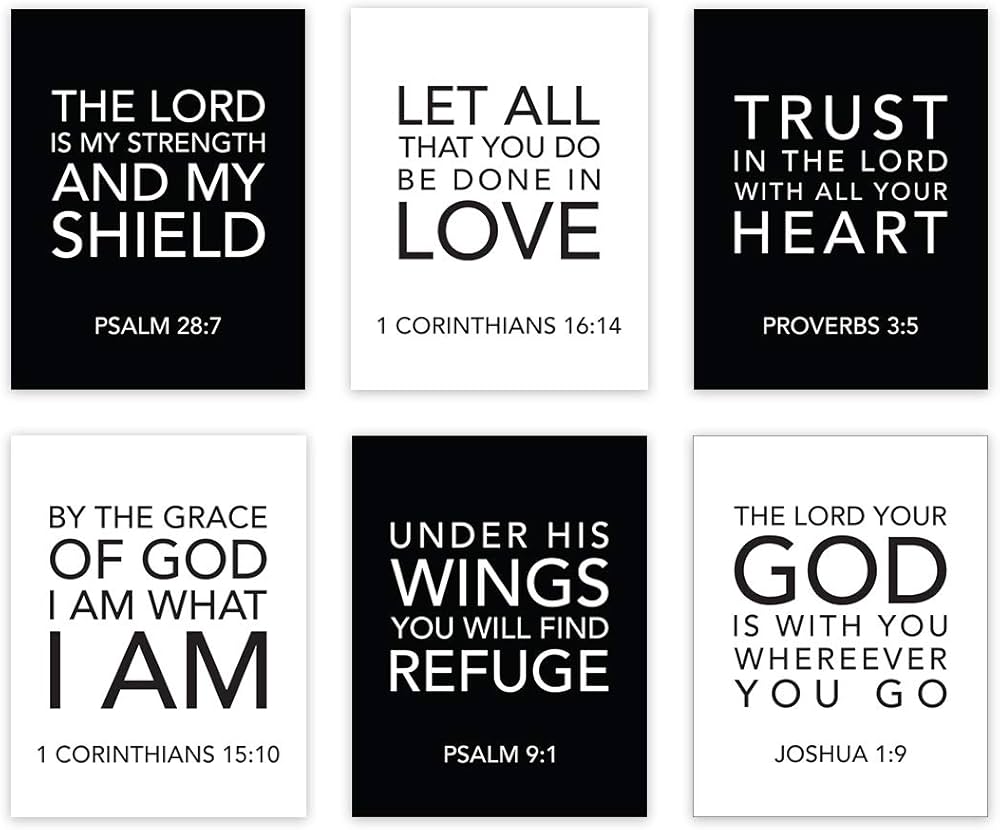
Have you ever wondered what the Bible says about the concept of black and white? In a world filled with diversity and varying perspectives, exploring this theme through the lens of scripture can offer us profound insights and wisdom. In this blog post, we will delve into different Bible verses that touch upon the dichotomy of black and white, shedding light on their symbolic meanings and implications for our lives.
By examining these verses, we can gain a deeper understanding of how the Bible addresses the contrast between black and white, and how it encourages us to embrace unity amidst diversity. These verses can serve as a source of inspiration and guidance, reminding us of the importance of love, acceptance, and compassion towards one another, regardless of our differences. Join us on this journey to uncover the timeless truths contained in the Bible about black and white, and discover how they can enrich our spiritual lives.
Exploring the significance of black and white in Bible verses
Genesis 1:27 – “So God created mankind in his own image, in the image of God he created them; male and female he created them.”
This powerful verse from Genesis highlights the fundamental truth that all humans are created in the image of God, regardless of race or ethnicity. The Bible teaches us that every individual is inherently valuable, cherished, and loved by God because they reflect His divine image.
In a world where racial divisions and discrimination persist, this verse serves as a reminder of our shared humanity and the equality that God intended for all. It emphasizes that we are all equally loved and valued by our Creator, irrespective of the color of our skin or our background.
The concept of black and white extends beyond mere physical appearances; it encompasses the broader themes of diversity, unity, and acceptance. The Bible encourages us to love one another and treat each other with compassion, respect, and dignity, echoing the message of unity and harmony among all God’s children.
As we reflect on Genesis 1:27, let us be mindful of our shared identity as creations of God, endowed with inherent worth and dignity. Let us strive to embrace diversity, foster unity, and promote love and understanding among all peoples, recognizing that we are all part of God’s diverse and beautiful tapestry of creation.
What does God say about black and white?
In the Bible, there are several verses that emphasize the equality of all races before God. One key passage is found in Galatians 3:28, which states, “There is neither Jew nor Greek, there is neither slave nor free, there is no male and female, for you are all one in Christ Jesus.” This verse highlights that in God’s eyes, there is no distinction between different races or social statuses.
Additionally, in Acts 10:34-35, Peter declares, “Truly I understand that God shows no partiality, but in every nation anyone who fears him and does what is right is acceptable to him.” This passage reinforces the idea that God does not show favoritism based on race or ethnicity.
Furthermore, in Revelation 7:9, John writes about a vision of a great multitude that no one could number, from every nation, from all tribes and peoples and languages, standing before the throne and before the Lamb. This imagery showcases the diversity of humanity coming together in worship before God.
Overall, the Bible teaches that God does not discriminate based on race and that all people are equally loved and valued in His sight.
What is Psalm 118 8?
Psalm 118:8 in the Bible states: “It is better to take refuge in the Lord than to trust in humans.” This verse highlights the importance of putting our trust and faith in God rather than in people or earthly things. Taking refuge in the Lord signifies seeking protection, guidance, and strength from Him, recognizing His ultimate power and sovereignty.
Is the Bible black and white thinking?
The Bible does contain elements of black and white thinking, particularly in its moral teachings and principles. It often presents clear distinctions between right and wrong, good and evil, and offers guidance on how to live a righteous life according to God’s standards. However, it’s important to note that the Bible also includes nuanced perspectives, complex characters, and symbolism that require deeper reflection and interpretation. In this sense, while the Bible may present certain issues in black and white terms, it also invites readers to engage with its text critically and consider the broader context and implications of its teachings.
What does Matthew 5 28 say?
Matthew 5:28 in the Bible says: “But I tell you that anyone who looks at a woman lustfully has already committed adultery with her in his heart.”