
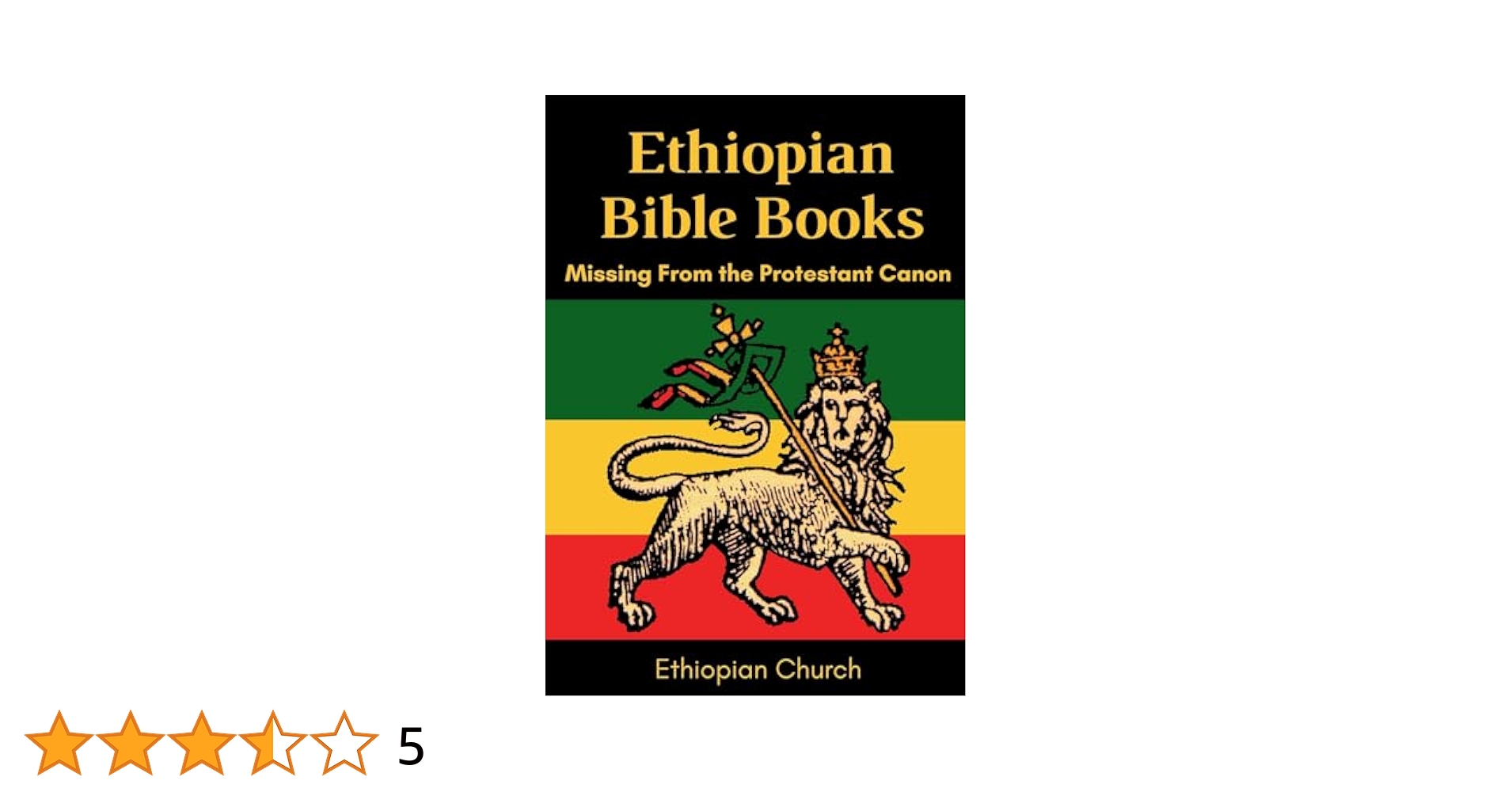
Have you ever wondered about the Books of the Ethiopian Bible that are missing from the Protestant Canon? In this blog post, we will explore the fascinating history behind these often overlooked texts and discover the unique insights they offer into the rich tapestry of biblical literature.
By delving into the Books of the Ethiopian Bible, we can gain a deeper understanding of the diverse religious traditions and cultural influences that have shaped Christianity over the centuries. These texts provide valuable perspectives that can enhance our appreciation for the complexity and richness of the biblical narrative, offering new layers of meaning and interpretation for modern readers seeking a more comprehensive view of the Scriptures.
The Hidden Gems of the Ethiopian Bible: Unveiling the Missing Books Excluded from the Protestant Canon
The Ethiopian Bible, also known as the Ethiopian Orthodox Tewahedo Church Canon, contains several books that are not found in the Protestant Canon of the Bible. These books are considered part of the broader biblical tradition followed by the Ethiopian Orthodox Church and have been preserved and revered within their religious tradition. Here are some of the key books of the Ethiopian Bible that are missing from the Protestant Canon:
1. Book of Enoch (Henok)
The Book of Enoch is an ancient Jewish text that is highly regarded in the Ethiopian Orthodox tradition. It is attributed to Enoch, the great-grandfather of Noah, and contains apocalyptic visions and teachings. The Book of Enoch explores themes of angels, demons, and the end times, providing unique insights into ancient Jewish beliefs and cosmology.
2. Jubilees (Ge’ez: Mets’hafe Kufale)
Also known as the Book of Jubilees, this text offers a retelling of Genesis and Exodus, emphasizing the importance of observing a solar calendar and celebrating festivals. Jubilees presents a structured account of biblical history and legal practices, shedding light on the religious customs of the time.
3. 1 Enoch (Henok)
While the Book of Enoch is a composite work, 1 Enoch specifically refers to the first section of the larger text. This portion, also known as the Book of the Watchers, recounts the fall of the angels, the birth of Noah, and the coming judgment. 1 Enoch is notable for its vivid descriptions of heavenly realms and profound theological reflections.
4. 2 Enoch (Henok)
Sometimes called the Slavonic Enoch or the Book of the Secrets of Enoch, 2 Enoch is a text of mystical and esoteric teachings. This book delves into Enoch’s heavenly journey, encounters with angelic beings, and revelations about the mysteries of creation. 2 Enoch offers a complex and symbolic interpretation of divine wisdom.
5. Ascension of Isaiah
The Ascension of Isaiah is a composite work composed of two main sections: the Martyrdom of Isaiah and the Vision of Isaiah. This text elaborates on the prophet Isaiah’s heavenly ascent, his foreknowledge of Christ’s coming, and his martyrdom at the hands of wicked rulers. The Ascension of Isaiah blends prophetic visions with Christian theology.
6. Psalms of Solomon
The Psalms of Solomon is a collection of eighteen psalms attributed to King Solomon, offering poetic expressions of faith, lament, and hope. These psalms reflect the turmoil and aspirations of the Jewish people during the Hellenistic period, addressing themes of righteousness, justice, and divine intervention.
In conclusion, the Books of the Ethiopian Bible missing from the Protestant Canon provide valuable insights into ancient Jewish and early Christian thought, offering diverse perspectives on religious faith, morality, and eschatology. These texts contribute to the rich tapestry of biblical literature and inspire spiritual reflection within the Ethiopian Orthodox tradition.
What books are in the Ethiopian Bible that are not in the Protestant Bible?
The Ethiopian Bible, also known as the Ethiopian Orthodox Tewahedo Church Canon, includes several books that are not found in the Protestant Bible. These additional books are collectively known as the “Deuterocanonical Books” or “Anagignoskomena” in the Ethiopian tradition.
Some of the books that are unique to the Ethiopian Bible include:
- 1 Enoch
- Jubilees
- 1 and 2 Meqabyan (Maccabees)
- The Book of the Covenant
- The Book of Ezra-Nehemiah
These books are considered inspired scripture by the Ethiopian Orthodox Tewahedo Church and are an integral part of their biblical canon.
What books were removed from the canon Bible?
There are several books that were removed from the canon of the Bible, depending on the religious tradition. These books are often referred to as the Apocrypha or Deuterocanonical books. Some of the books that were removed from the Protestant Bible but are still included in the Catholic and Eastern Orthodox Bibles include Tobit, Judith, Baruch, Wisdom of Solomon, Sirach (Ecclesiasticus), 1 and 2 Maccabees, and additional sections in the books of Esther and Daniel. It’s important to note that the content and canonicity of these books vary between different Christian denominations.
What are the 75 books that were removed from the Bible?
There were a number of books that were removed or excluded from the Bible over the centuries. These books are collectively known as the Apocrypha or Deuterocanonical books. The Council of Trent, held in the 16th century, officially declared these books as part of the Catholic Bible. However, Protestant Bibles typically do not include them.
Some of the Apocryphal books include:
1. 1 Esdras
2. 2 Esdras
3. Tobit
4. Judith
5. Wisdom of Solomon
6. Sirach (Ecclesiasticus)
7. Baruch
8. Letter of Jeremiah
9. Prayer of Azariah and the Song of the Three Jews
10. Susanna
11. Bel and the Dragon
12. 1 Maccabees
13. 2 Maccabees
These books were part of early Christian tradition and provide valuable insights into the historical and religious context of the time.
Is the Apocrypha in the Ethiopian Bible?
Yes, the Apocrypha is included in the Ethiopian Bible. The Ethiopian Orthodox Tewahedo Church considers several books from the Apocrypha as part of the Old Testament canon. These books are known as the “narrower canon” and include unique texts such as the Book of Enoch, Jubilees, and 1 Esdras.