
Have you ever wondered about the concept of captivity as mentioned in the Bible? Understanding this powerful theme can provide us with valuable insights into the spiritual journey of individuals and communities in ancient times. In this blog post, we will explore the definition of captivity in the Bible and uncover the profound lessons it holds for us today.
By delving into the concept of captivity in the Bible, we can gain a deeper understanding of the struggles and triumphs of biblical figures who faced various forms of bondage. Their stories serve as timeless examples of resilience, faith, and redemption, offering us encouragement and guidance in navigating our own challenges. Join us on this enlightening journey as we unpack the meaning of captivity in the Bible and discover how its message of liberation and transformation can impact our lives.
Exploring the Concept of Captivity in the Bible: Understanding Its Significance and Implications
Captivity in the Bible can refer to various instances in which individuals or groups of people were taken as captives or slaves by foreign powers. This concept is prevalent throughout the Old Testament and has significant historical and cultural implications. Captivity in the Bible often serves as a form of divine punishment for the disobedience of God’s people.
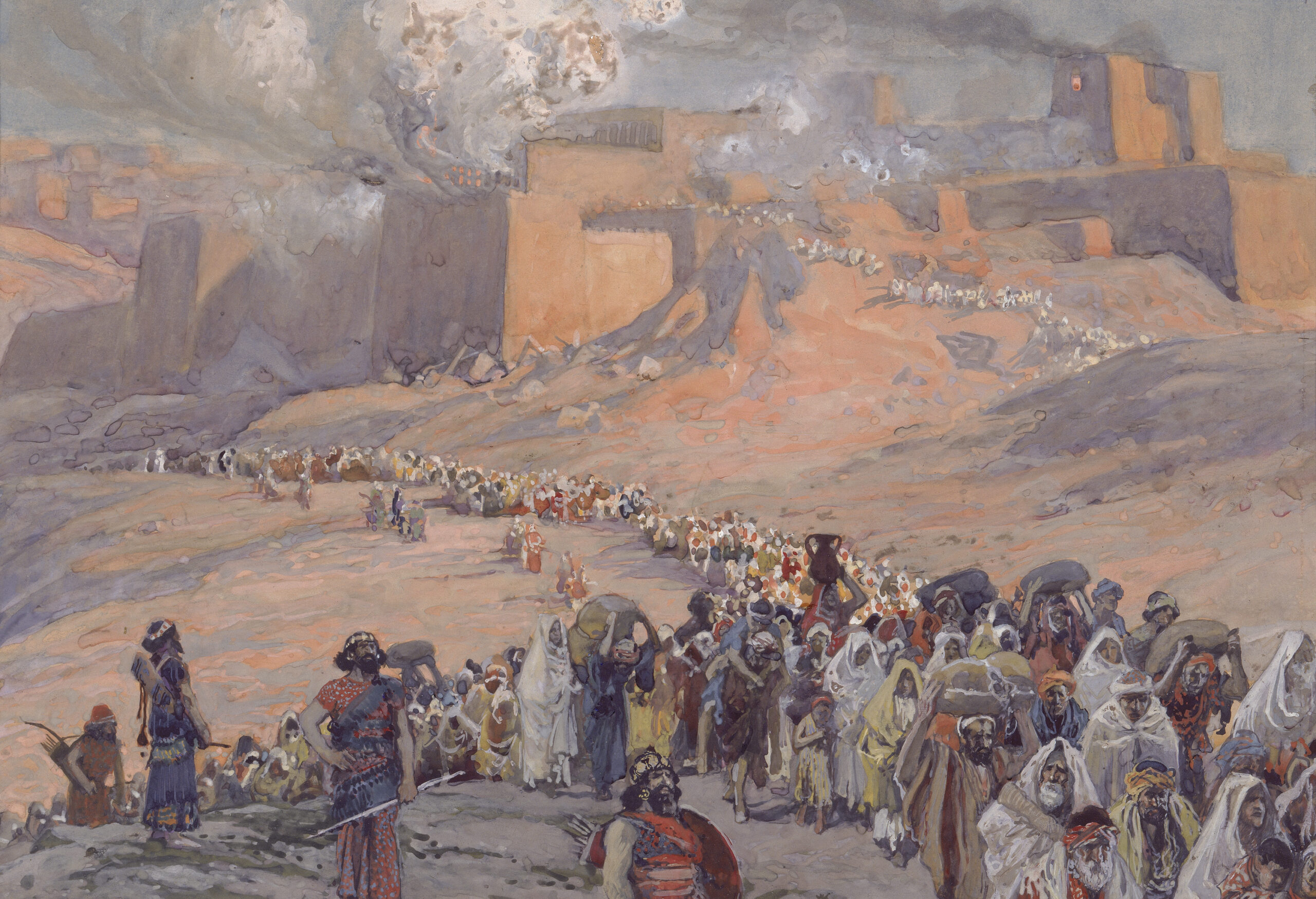
One of the most well-known examples of captivity in the Bible is the Babylonian Captivity, also known as the Babylonian Exile. In 586 BC, the Babylonian Empire, under King Nebuchadnezzar II, conquered the Kingdom of Judah and destroyed the city of Jerusalem, including the First Temple. The Babylonians then took many of the inhabitants of Judah captive and exiled them to Babylon, where they remained for several decades.
During their time in captivity, the Israelites faced numerous challenges, including the loss of their homeland, the destruction of their temple, and the disruption of their religious practices. However, the period of exile also served as a time of reflection and spiritual growth for the Israelites. It was during this time that the prophetic tradition emerged, with prophets like Jeremiah and Ezekiel offering guidance and hope to the exiled community.
The Babylonian Captivity was not the only instance of captivity in the Bible. The Israelites themselves were no strangers to taking captives from their enemies, as seen in various military campaigns described in the Old Testament. Additionally, other nations, such as the Egyptians, Assyrians, and Persians, are also depicted as engaging in the practice of taking captives.
Overall, captivity in the Bible serves as a reminder of the consequences of disobedience and the importance of remaining faithful to God. It also highlights the resilience of God’s people in the face of adversity and their ability to find hope and renewal even in the midst of captivity.
What is the spiritual meaning of captivity?
In the Bible, captivity often symbolizes a state of bondage or oppression caused by sin or disobedience to God. It represents being under the control of spiritual forces that keep us captive and separated from God’s grace and blessings.
Captivity can also serve as a metaphor for the consequences of turning away from God’s will and choosing to follow our own desires. Just as the Israelites experienced physical captivity in the Old Testament when they disobeyed God, we can find ourselves spiritually enslaved when we stray from His ways.
However, captivity is not without hope in the Bible. It also signifies an opportunity for redemption and restoration through repentance and turning back to God. The message of freedom from captivity is a central theme throughout the Bible, emphasizing God’s mercy and forgiveness for those who seek Him with a contrite heart.
Overall, the spiritual meaning of captivity in the Bible reminds us of the importance of remaining faithful to God, the dangers of sin and disobedience, and the hope of liberation and reconciliation that comes through genuine repentance and returning to God’s loving embrace.
What does it mean to be in captivity in the Bible?
In the Bible, being in captivity often refers to being under the control or oppression of enemies who have conquered a nation or people. This typically involves being taken away from one’s homeland and forced to live in a foreign land as a prisoner or slave. The concept of captivity is frequently used to symbolize spiritual bondage or a state of separation from God due to sin and disobedience.
Throughout the Bible, various individuals and nations experienced periods of captivity as a consequence of their actions. For example, the Israelites were taken captive by the Babylonians as punishment for turning away from God. However, even in captivity, there are instances where God showed mercy and compassion towards His people, promising deliverance and restoration.
Being in captivity in the Bible serves as a powerful metaphor for the consequences of straying from God’s will and the longing for freedom and redemption. It highlights the importance of obedience, repentance, and trust in God to overcome the challenges and trials of being spiritually or physically captive.
What is the meaning of captivity in simple words?
Captivity in the context of the Bible refers to being taken as a prisoner or slave, usually by a conquering nation or enemy. It often symbolizes being separated from God’s presence due to disobedience or sin. The Israelites experienced captivity multiple times in their history, notably in Babylon and Egypt, as a result of their rebellion against God. However, captivity also served as a period of reflection, repentance, and ultimately restoration for the people of Israel.
Which is the best meaning for captivity?
In the context of the Bible, captivity often refers to the state of being imprisoned or held captive by an enemy or oppressor. It can also symbolize a spiritual bondage or captivity to sin. Throughout the Bible, the theme of captivity is often used to represent both physical and spiritual enslavement.