
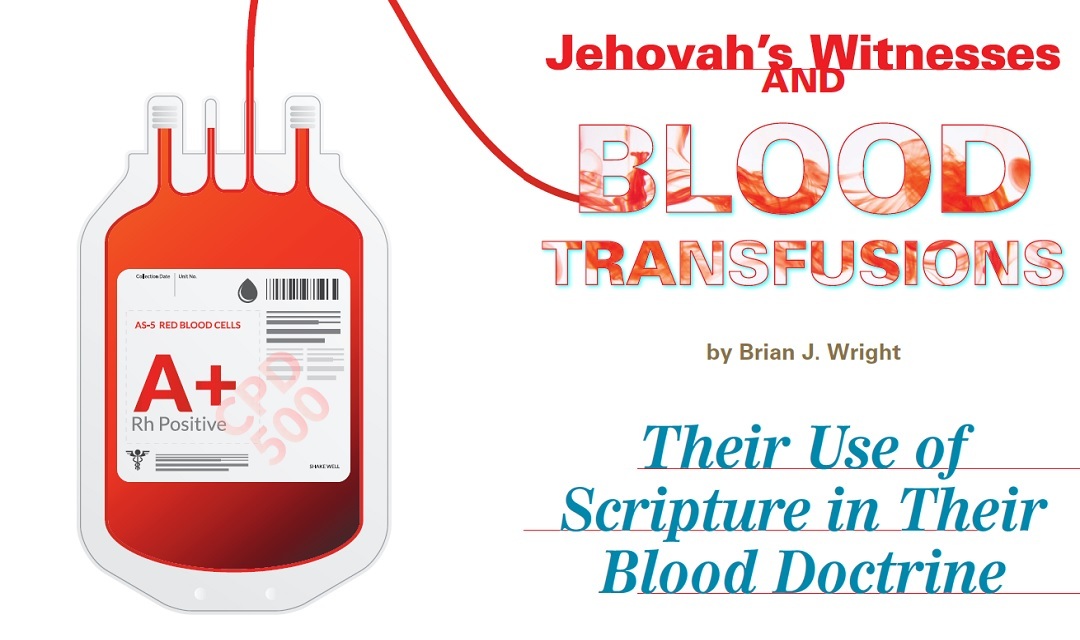
Have you ever wondered if receiving a blood transfusion goes against the teachings of the Bible? This controversial topic has sparked debates among Christians for years, with differing interpretations and beliefs on the matter. In this blog post, we will explore the question: Is Blood Transfusion a Sin in the Bible? By delving into the scriptures and examining different perspectives, we aim to shed light on this complex issue and provide clarity for those seeking guidance.
Understanding the implications of blood transfusions in relation to religious beliefs is crucial for individuals facing medical decisions that may conflict with their faith. This discussion can offer valuable insights and a deeper understanding of how ancient texts intersect with modern healthcare practices. Join us as we navigate this sensitive topic with an open mind and explore the potential benefits of gaining a more informed perspective on the subject of blood transfusion in the context of the Bible.
Understanding the Biblical Perspective: Debunking the Myth of Blood Transfusions as Sin
Is Blood Transfusion a Sin in the Bible?
The topic of blood transfusions in relation to the Bible is a complex and debated issue among Christians. Some denominations and individuals believe that blood transfusions are prohibited based on scriptural interpretations, while others do not see them as sinful. To explore this matter, we must examine key biblical passages and principles that may be relevant.
One commonly cited verse in discussions about blood transfusions is found in Leviticus 17:14, which states, “For the life of every creature is its blood: its blood is its life.” This verse is often interpreted to emphasize the sanctity of blood as the source of life and therefore should not be taken or exchanged. However, it is essential to consider the context in which this verse was given, as it was part of the Old Testament dietary and ceremonial laws for the Israelites.
In Acts 15:19-20, there is a significant passage where the early Christian church leaders discussed the requirements for Gentile believers. They decided to abstain from food sacrificed to idols, from blood, from the meat of strangled animals, and from sexual immorality. Some argue that this mentioning of abstaining from blood could extend to blood transfusions today. However, it is crucial to note that the context here pertains to dietary restrictions and avoiding practices associated with pagan rituals rather than medical procedures like blood transfusions.
Moreover, the principle of saving life and caring for the sick is emphasized throughout the Bible. Jesus, in Mark 2:17, stated, “It is not the healthy who need a doctor, but the sick. I have not come to call the righteous, but sinners.” This verse reflects the compassionate nature of God and the importance of healing and preserving life.
In situations where a person’s life is at stake and a blood transfusion is medically necessary to save their life, many Christians believe that the preservation of life takes precedence over concerns about blood consumption. In such cases, the intent behind the transfusion is seen as an act of love and mercy rather than a violation of biblical principles.
Ultimately, the question of whether blood transfusions are a sin in the Bible is a matter of interpretation and personal conviction. While some may hold strong beliefs against blood transfusions based on certain biblical passages, others view them as a legitimate medical intervention consistent with the overarching biblical principles of love, compassion, and the sanctity of life. Individuals are encouraged to prayerfully seek guidance and discernment on this issue in consultation with their religious leaders and healthcare providers.
Is it okay for Christians to have blood transfusions?
Yes, Christians generally believe that blood transfusions are acceptable. This is because there is no specific prohibition against blood transfusions in the Bible. In fact, many Christians view blood transfusions as a medical treatment that can save lives, which aligns with the Christian principles of caring for the sick and preserving life. Additionally, some Christian denominations cite passages such as Acts 15:29, where the early church leaders advised against consuming blood, but this is typically understood in the context of dietary restrictions and not applicable to medical procedures like blood transfusions.
Where in the Bible does it say to abstain from blood?
In the Bible, the instruction to abstain from blood can be found in the Book of Acts, specifically in Acts 15:29. The verse states: “You are to abstain from food sacrificed to idols, from blood, from the meat of strangled animals and from sexual immorality. You will do well to avoid these things. Farewell.” This directive was given by the early Christian leaders as part of guidelines for Gentile believers.
What do Jehovah Witness use instead of blood transfusion?
Jehovah’s Witnesses believe that blood transfusions are not in line with biblical teachings, as they interpret several passages in the Bible as prohibiting the ingestion of blood. Instead of blood transfusions, Jehovah’s Witnesses often opt for alternative medical treatments that do not involve the use of whole blood or its primary components. These alternative treatments may include blood fractions, medications, and other medical procedures that are deemed acceptable according to their beliefs.
What is the blood sin?
In the context of the Bible, the concept of “the blood sin” is often associated with the belief that the shedding of blood is necessary for the atonement of sins. This idea is rooted in the Old Testament sacrificial system, where animal sacrifices were offered to God as a way to seek forgiveness for transgressions.
Leviticus 17:11 states, “For the life of a creature is in the blood, and I have given it to you to make atonement for yourselves on the altar; it is the blood that makes atonement for one’s life.” This verse emphasizes the significance of blood in the process of atonement.
In the New Testament, Christians believe that Jesus Christ’s sacrificial death on the cross represents the ultimate atonement for all sins through his blood. Hebrews 9:22 affirms this by stating, “Indeed, under the law almost everything is purified with blood, and without the shedding of blood there is no forgiveness of sins.”
Therefore, “the blood sin” refers to the understanding that forgiveness and atonement for sin are achieved through the shedding of blood, culminating in the sacrifice of Jesus Christ as the perfect and final offering for humanity’s sins.