
Have you ever wondered if it’s okay to eat lamb according to the Bible? In this blog post, we will delve into the topic of consuming lamb in light of scriptural teachings, exploring the significance and implications of this practice for believers today. Understanding the stance on eating lamb in the Bible can provide valuable insights into the principles of faith, stewardship, and reverence for life that are central to Christian beliefs.
By examining the biblical perspective on eating lamb, we can gain a deeper understanding of the cultural context, symbolism, and ethical considerations surrounding this issue. This exploration can enrich our spiritual journey, enhance our appreciation for the rituals and traditions outlined in the Bible, and prompt us to reflect on our dietary choices from a moral and theological standpoint. Join us as we unravel the complexities of consuming lamb in the Bible and discover the timeless wisdom embedded in these ancient texts.
Eating Lamb: Understanding the Biblical Perspective
In the Bible, the consumption of lamb is a topic that is addressed in various contexts and can be seen as both permissible and encouraged in certain circumstances. One of the most significant references to eating lamb in the Bible can be found in the Old Testament, particularly in relation to the observance of the Passover feast.
The Passover feast, which commemorates the Israelites’ exodus from Egypt, involves the sacrifice and consumption of a Passover lamb. According to the book of Exodus, God instructed the Israelites to select a male lamb without blemish, slaughter it, and roast it whole. The blood of the lamb was then to be placed on the doorposts of their homes as a sign for the Lord to pass over and spare them from the final plague inflicted upon the Egyptians.
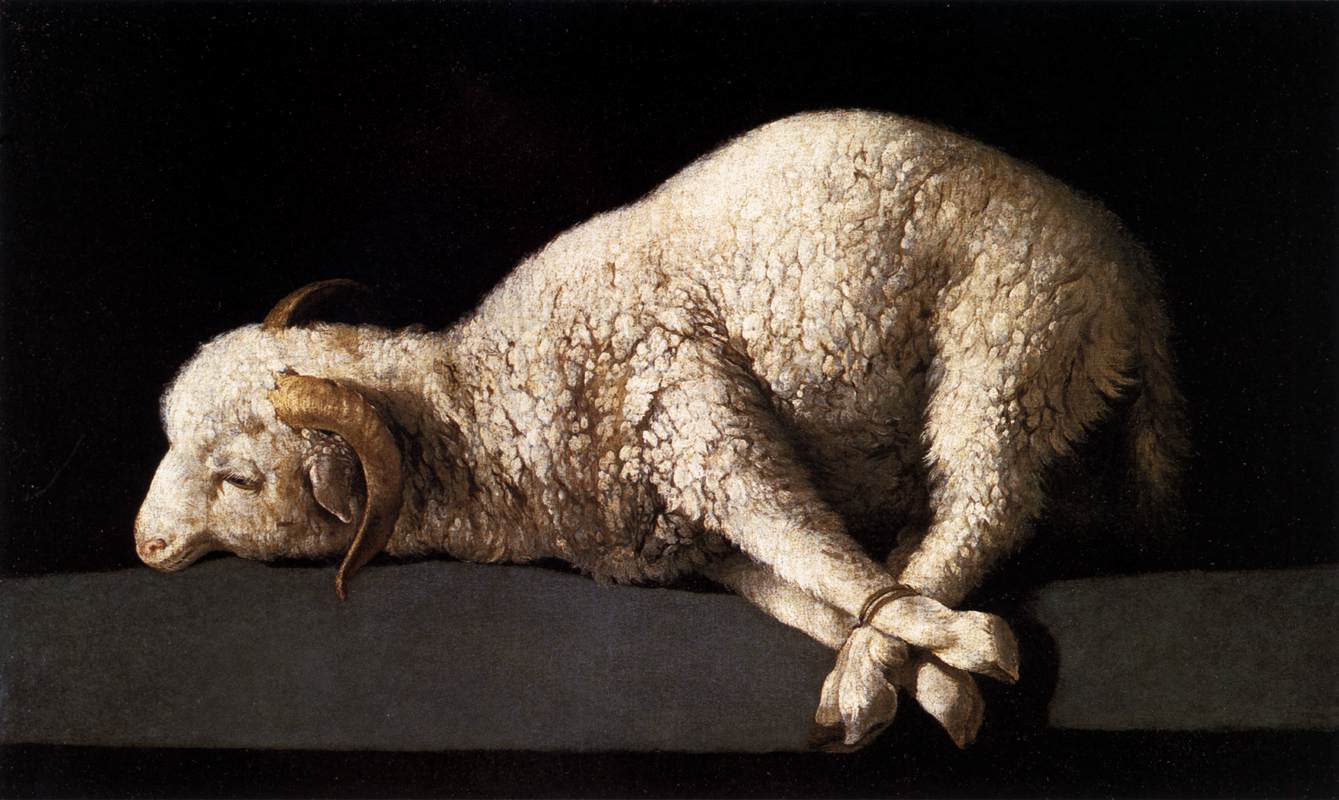
This act of sacrificing and consuming the Passover lamb was not only a physical provision for sustenance but also carried significant spiritual symbolism. It represented the redemption and deliverance that God provided for His people, foreshadowing the ultimate sacrifice of Jesus Christ as the Lamb of God who takes away the sins of the world.
In the New Testament, references to lamb are also made in the context of Christian symbolism. Jesus is often referred to as the Lamb of God, drawing on the imagery of sacrificial lambs in the Old Testament. The apostle Paul, in his letter to the Corinthians, even refers to Christ as “our Passover lamb” who has been sacrificed for us.
While the consumption of lamb is not explicitly prohibited in the Bible, there are passages that caution against causing others to stumble or being a stumbling block to weaker believers. In the New Testament, Paul addresses the issue of eating meat sacrificed to idols, emphasizing the importance of considering the conscience of others in matters of food consumption.
Ultimately, the decision to eat lamb or any other type of meat should be made with consideration for one’s own convictions and the impact it may have on others. In the Christian faith, the focus is not solely on external practices such as dietary restrictions but on the condition of one’s heart and the pursuit of righteousness and love toward God and neighbor.
What does the Bible say about eating a lamb?
In the Bible, there are several references to eating lamb, particularly in the context of religious ceremonies and rituals. One of the most well-known references is in the Old Testament during the time of the Exodus from Egypt. In Exodus 12:3-11, God instructs the Israelites to select a lamb for each household and eat it as part of the Passover meal. The blood of the lamb was to be used to mark the doorposts, symbolizing protection from the angel of death.
Another significant reference to eating lamb can be found in the New Testament, specifically in John 1:29 where John the Baptist refers to Jesus as the “Lamb of God who takes away the sin of the world.” This metaphorical use of the term ‘lamb’ emphasizes Jesus’ sacrificial role in atoning for humanity’s sins.
Overall, the consumption of lamb in the Bible is often associated with symbolism, sacrifice, and spiritual significance rather than mere dietary practices.
What meat does it say not to eat in the Bible?
In the Bible, specifically in Leviticus 11 and Deuteronomy 14, it mentions various animals that are not considered clean and should not be eaten. Some of the meats that are forbidden include:
- Pork (swine): Leviticus 11:7-8 states that pigs are unclean because they do not have a divided hoof and chew the cud.
- Seafood without fins and scales: Leviticus 11:9-12 lists specific sea creatures that are considered unclean, including shellfish, shrimp, crab, and lobster.
- Certain birds: Leviticus 11:13-19 mentions several birds that should not be eaten, such as vultures, eagles, and owls.
These dietary laws were given to the Israelites as part of their cultural and religious practices.
What does the lamb symbolize in the Bible?
In the Bible, the lamb symbolizes various things, but one of the most common and significant representations is that of sacrifice. This symbolism is derived from the Old Testament practices of offering lambs as sacrifices to atone for sins. The New Testament further develops this symbolism by presenting Jesus Christ as the “Lamb of God” who was sacrificed for the redemption of humanity’s sins. Jesus is often referred to as the lamb because, like a sacrificial lamb, he willingly gave his life to save others. Additionally, the lamb symbolizes innocence, purity, and humility in the Christian faith.
What does the Bible say about sheep and lambs?
In the Bible, sheep and lambs are frequently used as symbols to represent believers and followers of God. One of the most well-known references is found in Psalm 23, where God is portrayed as a shepherd who cares for His sheep, providing for their needs and protecting them from danger.
Jesus also referred to Himself as the “Good Shepherd” in John 10:11, emphasizing His role in caring for and guiding His followers. In this passage, Jesus describes how a good shepherd lays down his life for his sheep, demonstrating His sacrificial love for humanity.
Additionally, the lamb is a significant symbol in the Bible, particularly in relation to Jesus Christ as the sacrificial lamb who takes away the sins of the world (John 1:29). This imagery is further reflected in the book of Revelation, where Jesus is depicted as a lamb who was slain but now reigns as King of kings and Lord of lords (Revelation 5:6-14).
Overall, the references to sheep and lambs in the Bible serve to illustrate the relationship between God and His people, highlighting themes of guidance, protection, sacrifice, and redemption.