
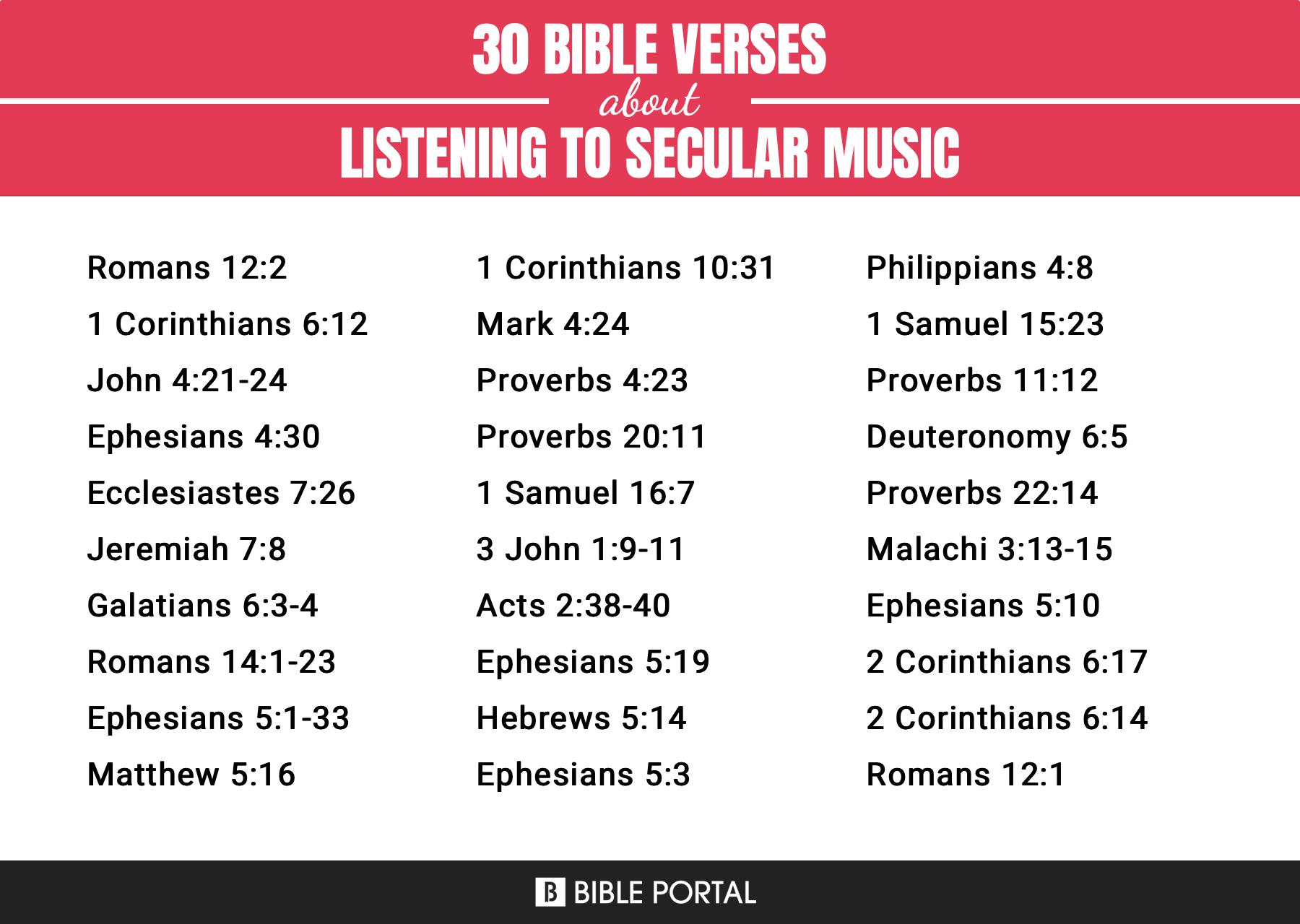
Have you ever wondered if listening to worldly music is a sin according to the Bible? This question often sparks debates among Christians, as they try to navigate the fine line between enjoying secular music and staying true to their faith. In this blog post, we will explore various Bible verses and perspectives to shed light on this topic and help you understand how you can make informed decisions about the music you listen to.
By delving into the Scriptures and understanding God’s perspective on music, we can gain clarity on the impact of worldly music on our spiritual lives. This exploration can not only deepen our relationship with God but also equip us with the knowledge to discern and choose music that aligns with our values and beliefs. Join us on this journey as we uncover the truth about listening to worldly music in light of the Bible’s teachings.
Exploring the Biblical Perspective: Is Listening to Worldly Music Considered a Sin? | Relevant Bible Verses
Is Listening to Worldly Music a Sin Bible Verse
The question of whether listening to worldly music is a sin is one that has been debated among Christians for many years. While the Bible does not explicitly mention contemporary music genres, it provides principles and guidelines that can help believers make wise choices about the music they listen to.
One key principle to consider is found in Philippians 4:8, which says, “Finally, brothers and sisters, whatever is true, whatever is noble, whatever is right, whatever is pure, whatever is lovely, whatever is admirable—if anything is excellent or praiseworthy—think about such things.” This verse encourages believers to focus on things that are honorable and pleasing to God. When applying this principle to music, it is important to consider whether the lyrics, message, and overall content of the music align with biblical values.
Another passage that can be helpful in discerning the impact of music on our lives is Ephesians 5:19, which says, “Speak to one another with psalms, hymns, and spiritual songs. Sing and make music in your heart to the Lord,” This verse highlights the importance of music that is uplifting, encouraging, and glorifying to God. It suggests that music should be used as a means of worship and edification rather than promoting worldly values or sinful behaviors.
Additionally, 1 Corinthians 10:31 reminds believers, “So whether you eat or drink or whatever you do, do it all for the glory of God.” This verse emphasizes the importance of living a life that is pleasing to God in all aspects, including the entertainment choices we make. When considering whether listening to worldly music is sinful, Christians should examine whether their music preferences honor God and reflect their commitment to following Christ.
Ultimately, the decision of whether listening to worldly music is a sin is a personal one that each believer must prayerfully consider in light of biblical principles and their own relationship with God. By seeking wisdom and guidance from scripture, Christians can make informed choices about the music they listen to and ensure that it aligns with their faith and values.
What does the Bible say about listening to music?
The Bible does not provide explicit instructions on listening to music. However, music is often mentioned throughout the Bible in various contexts. In Ephesians 5:19, it says, “Speaking to one another with psalms, hymns, and songs from the Spirit. Sing and make music from your heart to the Lord.” This verse highlights the importance of using music to praise and worship God.
In Colossians 3:16, it also advises, “Let the message of Christ dwell among you richly as you teach and admonish one another with all wisdom through psalms, hymns, and songs from the Spirit, singing to God with gratitude in your hearts.” Again, this verse emphasizes the role of music in spiritual growth and community building.
Ultimately, while the Bible does not explicitly address the act of listening to music, it underscores the significance of using music as a form of worship and spiritual expression. As with any form of entertainment or art, it is important for individuals to discern the content and message of the music they choose to listen to and ensure that it aligns with their values and beliefs.
What kind of music does the Bible say?
The Bible mentions various forms of music, including singing, playing instruments, dancing, and praising God through music. Music is often used in the Bible as a way to worship and give thanks to God. For example, in Psalm 150:3-5 it says: “Praise him with the sounding of the trumpet, praise him with the harp and lyre, praise him with timbrel and dancing, praise him with the strings and pipe, praise him with the clash of cymbals.” This shows that music is an important aspect of expressing faith and devotion in the Bible.
What Scripture says about worldly things?
The Bible addresses the concept of worldly things in various passages. One notable verse is found in 1 John 2:15-17, which states: “Do not love the world or anything in the world. If anyone loves the world, love for the Father is not in them. For everything in the world—the lust of the flesh, the lust of the eyes, and the pride of life—comes not from the Father but from the world. The world and its desires pass away, but whoever does the will of God lives forever.”
Another relevant passage is Romans 12:2, which advises believers: “Do not conform to the pattern of this world, but be transformed by the renewing of your mind. Then you will be able to test and approve what God’s will is—his good, pleasing and perfect will.”
These verses highlight the importance of prioritizing spiritual values over worldly possessions, desires, and pursuits. They remind Christians to focus on God’s will and eternal matters rather than being consumed by temporary, worldly concerns.
What is Ephesians 5 11?
Ephesians 5:11 says: “Take no part in the unfruitful works of darkness, but instead expose them.” This verse encourages believers to avoid participating in sinful activities and to reveal them instead. It emphasizes the importance of living a righteous life and standing against any form of evil.