
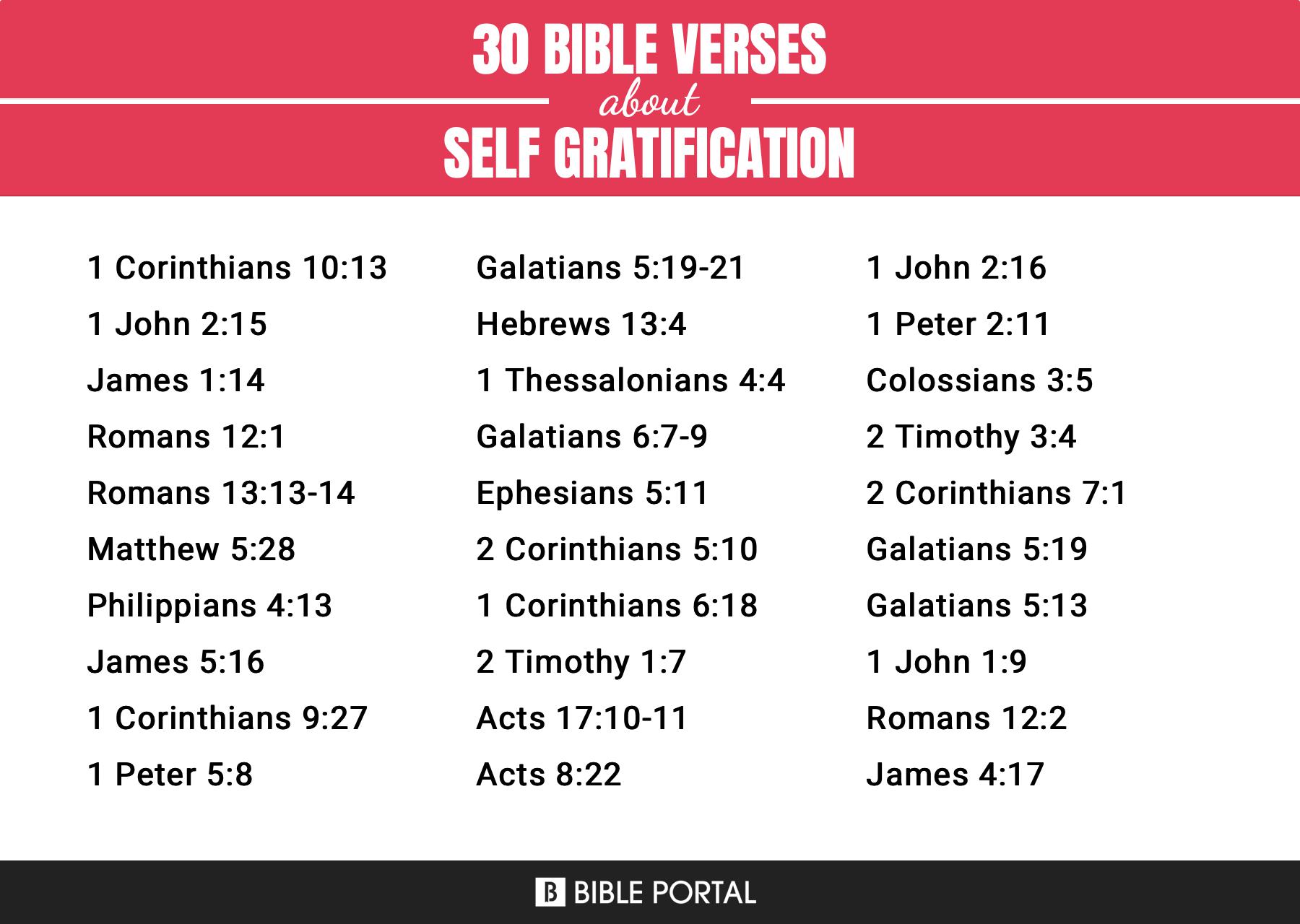
Have you ever wondered whether self-gratification is considered wrong according to the Bible? In today’s fast-paced and individualistic society, the concept of seeking pleasure and fulfillment for oneself is often celebrated. However, as we delve into the teachings of the Bible, we may uncover a different perspective on the pursuit of self-gratification.
Exploring the topic of self-gratification through the lens of biblical principles can offer valuable insights and guidance for navigating modern challenges. By understanding what the Bible says about this issue, we can gain a deeper appreciation for the importance of moderation, selflessness, and spiritual fulfillment in our lives. Join us as we examine the nuances of self-gratification in the context of biblical teachings and discover how embracing a balanced approach can lead to greater peace, purpose, and fulfillment in our journey of faith.
Exploring the Biblical Perspective on Self-Gratification: Understanding Righteousness vs. Wrongdoing
Is Self Gratification Wrong in the Bible?
The concept of self-gratification is a complex and controversial topic when it comes to discussions within the context of the Bible. On one hand, the Bible teaches the importance of self-control, discipline, and prioritizing the needs of others above our own desires. On the other hand, there are instances where self-gratification is portrayed in a negative light in the scriptures.
One of the key principles in the Bible that addresses self-gratification is the idea of denying oneself for the greater good. This concept is prominently highlighted in verses such as Luke 9:23 where Jesus said, “If anyone would come after me, let him deny himself and take up his cross daily and follow me.” This verse emphasizes the importance of putting aside our own desires and ego for the sake of following God’s will.
Moreover, the Bible also warns against indulging in selfish pursuits and seeking instant gratification at the expense of moral values and spiritual growth. In Galatians 5:19-21, the apostle Paul lists self-indulgence as one of the “works of the flesh” that are contrary to the fruits of the Spirit. The passage warns that those who practice such behaviors will not inherit the kingdom of God.
Additionally, the Bible cautions against the excessive pursuit of pleasure and gratification that can lead to sinful behaviors. Proverbs 21:17 states, “Whoever loves pleasure will be poor; whoever loves wine and oil will not be rich.” This verse underscores the importance of moderation and discernment in seeking pleasure and gratification in life.
While the Bible does not explicitly condemn all forms of self-gratification, it consistently emphasizes the need for balance, self-control, and submission to God’s will in all aspects of life. Ultimately, the key lies in finding joy and satisfaction in aligning our desires with God’s purposes, rather than seeking fulfillment solely through selfish pursuits and instant gratification.
What does the Bible say about releasing sperm?
The Bible does not specifically address the issue of releasing sperm. However, Onan’s story in Genesis 38:9-10 is sometimes referenced in discussions about this topic. In this passage, Onan was commanded by his father Judah to impregnate his deceased brother’s wife in order to provide offspring for his brother. Instead, Onan chose to “spill his seed on the ground” during intercourse, which displeased God and resulted in his death. This has been interpreted by some as a warning against wasting semen or engaging in sexual practices that do not align with God’s intended purpose for procreation. Ultimately, individual interpretations may vary, and it is important to consider the broader teachings of the Bible on sexuality, purity, and honoring God with our bodies.