
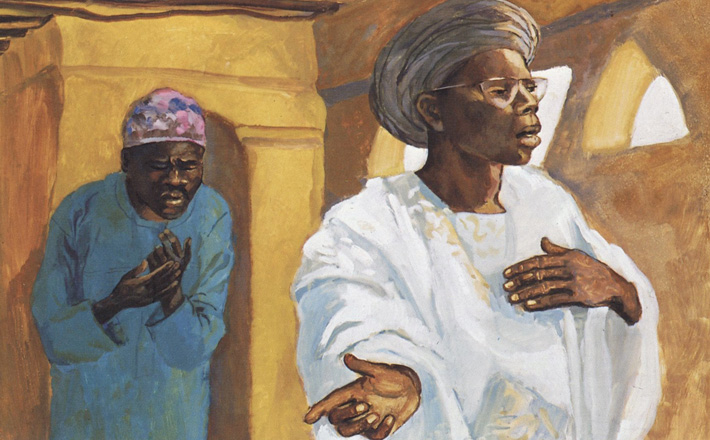
Have you ever struggled with feelings of self-righteousness or judgmental attitudes towards others? In Luke 18:9-14, Jesus shares a parable that challenges our perspectives on righteousness and humility. This powerful passage invites us to examine our hearts and align them with God’s standards of grace and mercy.
In this blog post, we will delve into Luke 18:9-14 and explore thought-provoking study questions that will deepen our understanding and application of the teachings found in this passage. By reflecting on these questions, we can cultivate a spirit of humility, compassion, and love towards both ourselves and others, ultimately drawing closer to God and experiencing the transformational power of His Word.
Exploring Luke 18:9-14: A Comprehensive Guide to Bible Study Questions
Luke 18:9-14 Bible Study Questions
1. What was the audience for the parable in this passage?
The audience for this parable was those who trusted in themselves that they were righteous and looked down on others.
2. What was the purpose of this parable?
The purpose of this parable was to address the issue of pride and self-righteousness, highlighting the importance of humility and genuine repentance before God.
3. In what way did the Pharisee pray compared to the tax collector?
The Pharisee prayed with a sense of self-righteousness, boasting about his own righteousness and looking down on the tax collector. In contrast, the tax collector humbly acknowledged his sins and pleaded for mercy from God.
4. What does Jesus’ response reveal about God’s attitude towards humility and repentance?
Jesus’ response shows that God values humility and repentance over self-righteousness. He exalts those who humble themselves before Him and acknowledges their need for His mercy.
5. How can we apply the lessons from this parable in our own lives?
We can apply the lessons from this parable by examining our own hearts and attitudes towards others. We should strive to cultivate humility, acknowledging our own weaknesses and sins, while also extending grace and compassion to those around us.
What is the lesson learned in Luke 18 9 14?
In Luke 18:9-14, the lesson learned is about humility and righteousness before God. The parable of the Pharisee and the Tax Collector highlights the contrast between the self-righteousness of the Pharisee, who boasts about his good deeds, and the humility of the Tax Collector, who acknowledges his own sinfulness and asks for God’s mercy.
The key lesson from this passage is that humility is valued by God more than self-righteousness. Jesus teaches that those who exalt themselves will be humbled, but those who humble themselves will be exalted in the eyes of God. It reminds us to approach God with a humble and contrite heart, recognizing our own sinfulness and relying on God’s grace and mercy for salvation.
What is the prayer based on Luke 18 9 14?
The prayer based on Luke 18:9-14 is the Parable of the Pharisee and the Tax Collector. In this passage, Jesus tells the story of two men who went to the temple to pray. The Pharisee stood by himself and prayed about himself: “God, I thank you that I am not like other people—robbers, evildoers, adulterers—or even like this tax collector. I fast twice a week and give a tenth of all I get.”
On the other hand, the tax collector stood at a distance and would not even look up to heaven. He beat his breast and said, “God, have mercy on me, a sinner.”
Jesus then concluded by saying that it was the tax collector, not the Pharisee, who went home justified before God. This parable teaches us about the importance of humility and repentance in our prayers.
What are the qualities of the Pharisee?
In the Bible, the Pharisees were a Jewish religious group known for their strict adherence to the law and tradition. Some qualities of the Pharisees include:
1. Legalistic: The Pharisees placed a strong emphasis on following the letter of the law, often prioritizing rules and regulations over compassion and mercy.
2. Prideful: They were known for their self-righteousness and belief in their own moral superiority. This led them to look down on others who they considered to be less devout or righteous.
3. Hypocritical: Jesus frequently criticized the Pharisees for their hypocrisy, pointing out that they often preached one thing but practiced another. They were more concerned with outward appearances than with inner spiritual growth.
4. Judgmental: The Pharisees were quick to judge and condemn others, particularly those who did not adhere to their strict interpretations of the law. They lacked empathy and understanding towards those who were struggling or had made mistakes.
Overall, the Pharisees serve as a cautionary example in the Bible of the dangers of legalism, pride, hypocrisy, and judgmental attitudes. Jesus often contrasted their approach with his message of love, grace, and forgiveness.
What does Luke chapter 18 teaches?
In Luke chapter 18, Jesus tells several parables that teach important lessons. One of the key teachings in this chapter is found in the parable of the Pharisee and the tax collector. This story illustrates the importance of humility and contrition in prayer. The Pharisee prays proudly about his own righteousness, while the tax collector humbly asks for mercy and forgiveness.
Another lesson from Luke 18 is the story of the rich young ruler. This narrative highlights the challenges of wealth and the importance of putting God first in our lives. Jesus teaches that it is difficult for those who are attached to material possessions to enter the kingdom of heaven.
Additionally, in Luke 18, Jesus emphasizes the power of persistent prayer through the parable of the persistent widow. This story encourages believers to persevere in prayer and trust in God’s timing and justice.
Overall, Luke chapter 18 teaches valuable lessons about humility, prioritizing God over worldly wealth, and the importance of persistent prayer in the life of a believer.