
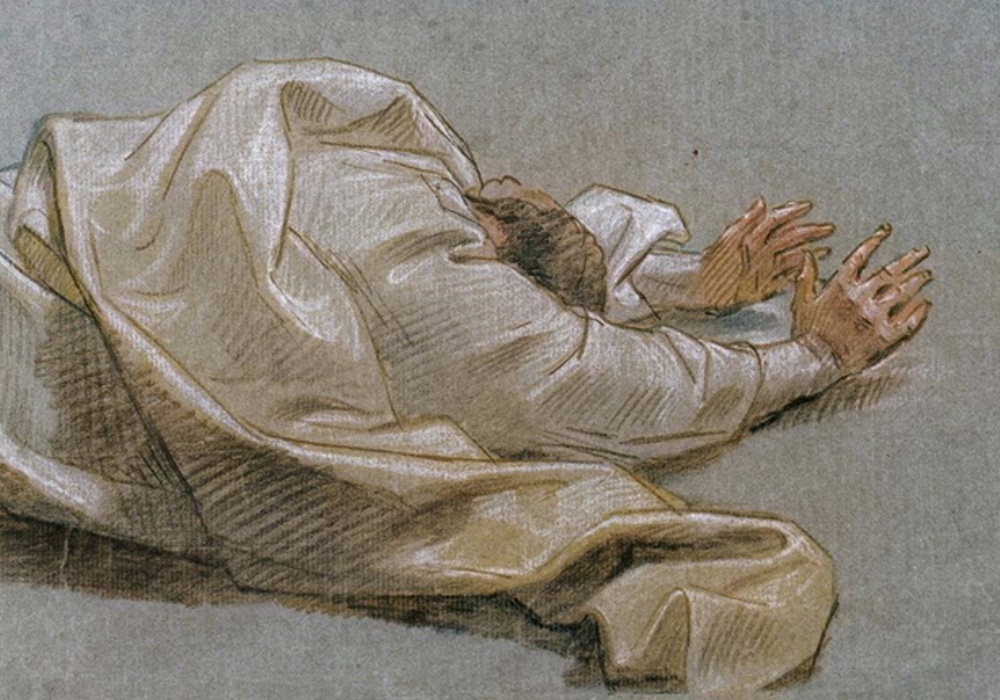
Have you ever considered the profound act of lying prostrate before God as seen in the Bible? This humble posture holds significant meaning and brings about a transformative experience that draws us closer to our Creator. In scripture, we see various individuals such as King David, Elijah, and even Jesus Himself, choosing to physically demonstrate their surrender and reverence by lying prostrate before God.
Lying prostrate before God in the Bible not only showcases humility but also deepens our connection with Him. This act of complete submission allows us to let go of pride, control, and self-reliance, opening our hearts to receive His grace and guidance more fully. By exploring the examples and teachings found in the Bible regarding this posture, we can learn how to cultivate a spirit of surrender and intimacy in our own prayer life and relationship with God.
Bowing in Humility: Understanding Prostration Before God in the Bible
Lying prostrate before God is a powerful and symbolic gesture found throughout the Bible, often reflecting humility, reverence, and submission to the Almighty. This act of prostration can be seen as an outward expression of an inner attitude of respect and total surrender to God’s will.
In the Old Testament, we see numerous examples of individuals who prostrated themselves before God in worship and supplication. One such instance is found in 1 Kings 18:42, where the prophet Elijah falls on his face and prays earnestly for rain to come upon the land after a prolonged drought. This physical posture of lying prostrate emphasizes Elijah’s dependence on God for provision and intervention in a time of great need.
Another powerful example is seen in the book of Daniel when the prophet sees a vision of a man clothed in linen and is overcome by awe and fear. In Daniel 10:9, we read that Daniel falls facedown in a deep sleep, symbolizing his reverence and recognition of the divine presence in the midst of the vision.
In the New Testament, the act of lying prostrate before God is also significant. In the Gospel of Matthew, we find the account of the wise men who traveled from the East to worship the infant Jesus. In Matthew 2:11, it says, “And when they had come into the house, they saw the young child with Mary His mother, and fell down and worshipped Him.” Here, the wise men’s act of prostration highlights their recognition of Jesus’ true identity as the King of kings and Lord of lords.
Furthermore, in the Garden of Gethsemane, Jesus himself demonstrates the ultimate act of submission and humility before God. In Matthew 26:39, Jesus prays, “My Father, if it is possible, may this cup be taken from me. Yet not as I will, but as you will.” This prayer, accompanied by Jesus falling facedown in anguish, exemplifies His complete surrender to the Father’s plan, even unto death on the cross.
Overall, lying prostrate before God in the Bible serves as a potent symbol of humility, reverence, and submission to the divine will. It is a tangible expression of our dependence on God, our acknowledgment of His sovereignty, and our willingness to align our hearts with His purposes. May we, like the faithful men and women of Scripture, be willing to humble ourselves before the Lord and offer our lives in complete surrender to His perfect and holy will.
What does it mean to lay prostrate before the Lord?
To lay prostrate before the Lord in the context of the Bible means to physically position oneself face down on the ground in an act of extreme reverence, humility, and submission before God. This posture signifies complete surrender and adoration towards God, acknowledging His supremacy and one’s own unworthiness. It is a powerful gesture of worship and devotion often seen in the Bible as a demonstration of deep respect and awe in the presence of the Almighty.
Where in the Bible does it say prostrate yourself before the Lord?
The act of prostrating oneself before the Lord is mentioned in various verses throughout the Bible. One example can be found in 1 Chronicles 29:20, which states: “Then David said to the whole assembly, ‘Praise the LORD your God.’ So they all praised the LORD, the God of their fathers; they bowed down, prostrating themselves before the LORD and the king.” This verse highlights the reverence and worship shown by the people towards God through the act of prostration.
What does the word prostrate mean in the Bible?
In the Bible, the word “prostrate” typically refers to an act of worship or submission where an individual lies face down with their body fully extended on the ground as a sign of humility and reverence before God. This physical posture signifies complete surrender and adoration towards the divine. Prostration is often used as a gesture of respect and awe in various religious settings, including prayer and worship in Christian traditions.
Who prayed prostrate in the Bible?
In the Bible, we see multiple instances of individuals praying prostrate before God. One notable example is found in Matthew 26:39, where Jesus prays in the Garden of Gethsemane before His crucifixion: “He fell with his face to the ground and prayed, ‘My Father, if it is possible, may this cup be taken from me. Yet not as I will, but as you will.'”
Another example is seen in 1 Kings 18:42, where the prophet Elijah prays for rain: “Elijah climbed to the top of Carmel, bent down to the ground, and put his face between his knees.” These are just a few examples of individuals who prayed prostrate in the Bible as a sign of humility and submission before God.