
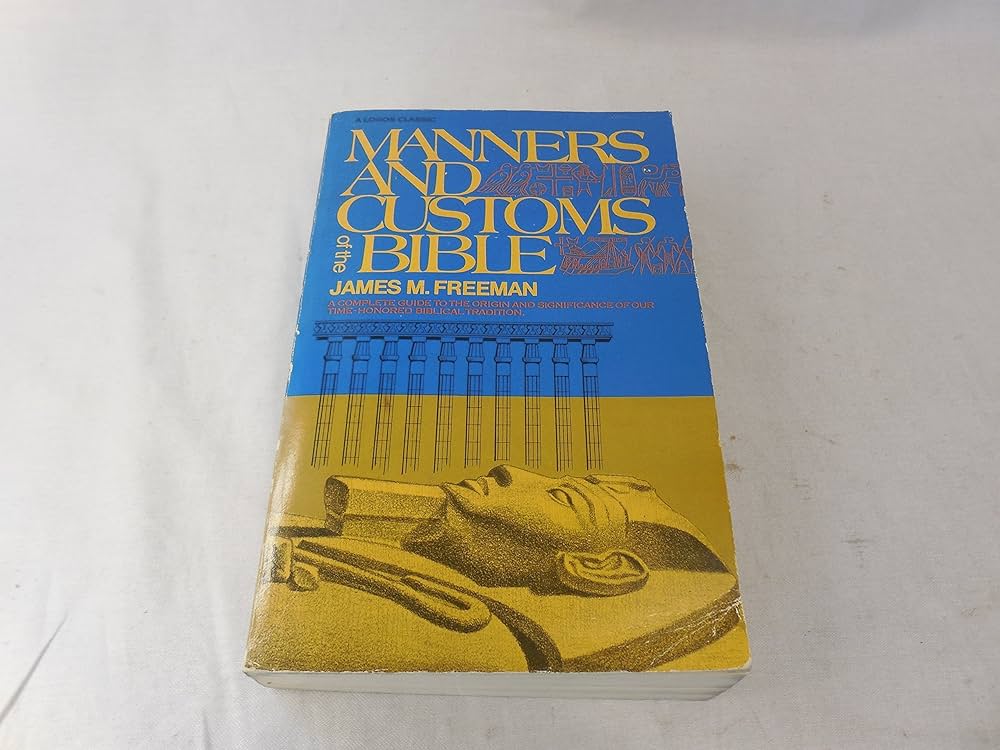
Have you ever wondered about the significance of the manners and customs mentioned in the Bible? Understanding these cultural practices can provide us with valuable insights into the stories and teachings found in the Scriptures. Exploring the manners and customs of Biblical times allows us to connect more deeply with the characters and events, enhancing our overall understanding and appreciation of the message conveyed.
In this blog post, we will delve into various manners and customs that are referenced throughout the Bible, shedding light on their meanings and implications. By gaining a deeper understanding of these cultural practices, we can gain a richer perspective on the teachings and narratives contained within the pages of the Bible. Join us on this journey as we uncover the significance of manners and customs in the Bible and explore how they can enrich our spiritual growth and knowledge.
Exploring the Cultural Norms and Traditions Found in the Bible
Manners and Customs in the Bible
In order to gain a deeper understanding of the biblical narratives and teachings, it is essential to delve into the manners and customs prevalent during biblical times. The culture and societal norms of the ancient world greatly influenced the way people lived, interacted, and worshiped. By examining these customs and traditions, we can gain valuable insights into the context in which the Bible was written.
One significant aspect of manners and customs in the Bible is the importance of hospitality. In the ancient Near East, hospitality was considered a sacred duty and a sign of respect. Welcoming strangers into one’s home and providing them with food and shelter was a common practice. This concept is reflected in numerous biblical stories, such as the hospitality shown by Abraham to the three visitors in Genesis 18.
Another important custom was the practice of feasting and banqueting. Meals were not just about sustenance but were also opportunities for socializing, making alliances, and celebrating important events. The Last Supper, for example, was a significant meal shared by Jesus and his disciples before his crucifixion, symbolizing unity and fellowship.
Furthermore, the concept of honor and shame played a pivotal role in biblical society. Honor was highly valued, and individuals sought to maintain their reputation through their actions and words. Conversely, shame was to be avoided at all costs, as it could lead to social ostracism and disgrace. This cultural dynamic is evident throughout the Bible, particularly in stories of redemption and restoration.
Additionally, the role of women in biblical times was heavily influenced by customs and traditions. While women were often marginalized and relegated to subordinate roles, there are instances in the Bible where women displayed remarkable courage, wisdom, and faith. The story of Ruth, for instance, highlights the loyalty and devotion of a woman towards her family and God.
Moreover, the use of parables and metaphors was a common custom in biblical teaching. Jesus frequently employed these literary devices to convey spiritual truths and moral lessons in a relatable manner. By using everyday scenarios and imagery, Jesus made complex concepts more accessible to his audience.
In conclusion, an exploration of the manners and customs in the Bible provides us with a rich tapestry of cultural practices, societal norms, and religious beliefs that shaped the lives of ancient people. By studying these customs and traditions, we can deepen our appreciation for the biblical text and glean profound insights into the timeless wisdom it imparts.
What is Bible manners and customs?
Bible manners and customs refer to the cultural practices, traditions, and social norms that are described or implied in the Bible. These include a wide range of behaviors, rituals, and etiquette that were common during biblical times. Understanding Bible manners and customs can provide valuable context for interpreting the stories and teachings found in the Bible. It can help readers appreciate the cultural background of the biblical characters and better grasp the significance of certain actions or events. Additionally, knowledge of Bible manners and customs can deepen one’s understanding of the historical and social context in which the events of the Bible took place.
What does the Bible say about manners and etiquette?
The Bible provides guidance on manners and etiquette throughout its teachings. One key verse that emphasizes the importance of good manners is found in Colossians 4:6, which says, “Let your speech always be gracious, seasoned with salt, so that you may know how you ought to answer each person.” This verse highlights the significance of speaking kindly and respectfully to others.
Additionally, Proverbs 15:1 states, “A soft answer turns away wrath, but a harsh word stirs up anger.” This verse encourages individuals to respond with gentleness and humility, even in challenging situations.
Furthermore, Romans 12:10 instructs believers to “Love one another with brotherly affection. Outdo one another in showing honor.” This verse underscores the importance of treating others with respect and dignity, demonstrating courteous behavior in all interactions.
Overall, the Bible teaches that manners and etiquette play a crucial role in how we interact with others and reflect our faith in action.
What does the Bible say about customs?
In the Bible, customs are often mentioned in relation to cultural practices and traditions. The Bible encourages believers to be mindful of the customs of others, as seen in verses like Romans 14:1-6 which talks about respecting different customs and not passing judgment on others based on their practices.
At the same time, the Bible also warns against following customs that are contrary to God’s will or lead to sinful behavior. Verses such as Colossians 2:8 caution against being captivated by human traditions that are not rooted in Christ.
Overall, the Bible emphasizes the importance of discernment when it comes to customs, urging believers to align their practices with the teachings of Scripture and to prioritize love and unity within the body of Christ.
What does custom mean in the Bible?
In the Bible, the word “custom” refers to a practice or tradition that is commonly observed or followed by a group of people. It can also refer to a law or ordinance that is established and upheld within a community. Customs are often mentioned in the Bible in relation to the cultural practices of different groups of people, as well as the religious rituals and traditions that were observed by the Israelites. In some cases, customs are used to highlight the importance of following God’s commandments and living according to His laws.