
Have you ever wondered about the concept of felicity in the Bible and what it truly means for believers? The term “felicity” often evokes feelings of happiness and contentment, but its significance in the context of Scripture goes beyond mere temporary joys. Delving into the deeper layers of this word can provide profound insights into how we can experience lasting fulfillment and spiritual abundance in our lives.
Exploring the meaning of felicity in the Bible can offer valuable perspectives on how to cultivate a sense of profound well-being and peace that transcends circumstances. By understanding the roots of this term in biblical teachings, we can uncover timeless wisdom that guides us towards a more meaningful existence. Join me in this blog post as we unravel the mysteries of felicity in the Bible and discover how it can enrich our faith journey in profound ways.
Unveiling the Essence of Felicity in the Scriptures: Exploring Biblical Perspective.
Felicity in the Bible
The concept of felicity in the Bible is often closely related to happiness, joy, and blessing. In the Old Testament, the word “felicity” is not explicitly mentioned, but various verses speak about the happiness and blessings that come from a life lived in obedience to God’s commands.
One of the key verses that touch on the idea of felicity is found in Psalm 128:1-2, which says, “Blessed are all who fear the Lord, who walk in obedience to him. You will eat the fruit of your labor; blessings and prosperity will be yours.” This passage highlights the connection between fearing the Lord and experiencing blessings and prosperity in one’s life.
In addition, Proverbs 16:20 states, “Whoever gives heed to instruction prospers, and blessed is the one who trusts in the Lord.” Here, we see that prosperity and blessing are linked to heeding God’s instructions and placing trust in Him.
Furthermore, Jesus’ teachings in the New Testament also emphasize the importance of living a life that leads to felicity. In Matthew 5:3-12, known as the Beatitudes, Jesus speaks about the characteristics and attitudes that lead to true happiness and blessing. He says, “Blessed are the poor in spirit, for theirs is the kingdom of heaven. Blessed are those who mourn, for they will be comforted. Blessed are the meek, for they will inherit the earth.” These verses highlight the paradoxical nature of the Christian life, where true felicity is found in humility, compassion, and righteousness.
Overall, felicity in the Bible is not just about fleeting emotions of happiness, but it is about experiencing deep joy, contentment, and blessing that come from aligning one’s life with God’s will and following His ways. It is a state of fulfillment that transcends circumstances and is rooted in a relationship with the Creator.
What does the name Felicity mean?
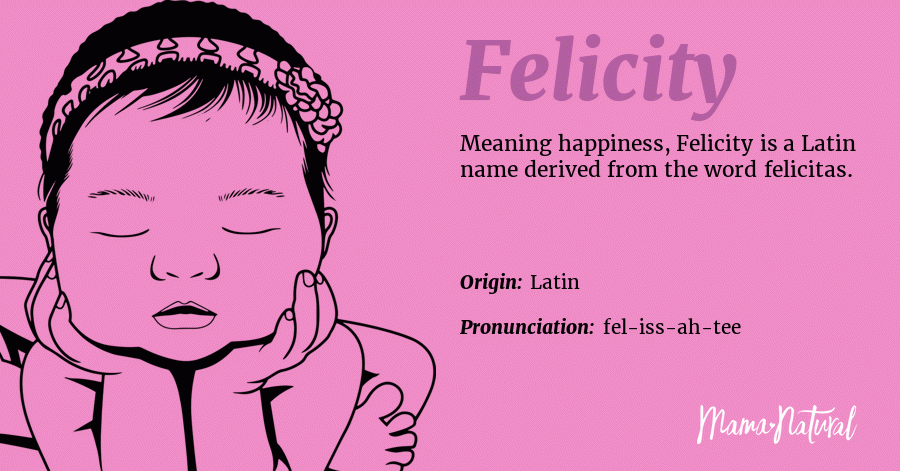
In the context of the Bible, the name Felicity means great happiness or joy. It is derived from the Latin word “felicitas” which means good fortune or luck. In the Bible, joy and happiness are often associated with blessings from God and His favor upon individuals. The name Felicity can symbolize the overflowing joy and contentment that comes from a close relationship with God.
What is the Hebrew name for Felicity?
The Hebrew name for Felicity is Ashira.
What does the name Felicity mean in French?
In the context of the Bible, the name Felicity is not directly mentioned. However, in general, the name Felicity means “happiness” or “good fortune.” The name Felicity is derived from the Latin word “felicitas,” which carries the connotation of good luck and joy. In French, the name Felicity can be translated as “Félicité,” which also conveys the idea of happiness or bliss.
What language does the word felicity come from?
The word “felicity” comes from Latin. The Latin word “felicitas” means happiness, good fortune, or bliss. In the context of the Bible, the concept of felicity could be related to the state of blessedness or joy that comes from living in accordance with God’s will and commandments.