
Have you ever wondered about the dynamics of the relationship between a mother-in-law and daughter-in-law as portrayed in the Bible? This often complex and intricate relationship is a topic that continues to fascinate readers and offers valuable insights into familial dynamics and personal growth. Exploring the examples of mother-in-law and daughter-in-law relationships in the Bible can provide us with wisdom, guidance, and practical lessons that we can apply to our own lives and relationships.
In this blog post, we will delve into various biblical stories that shed light on the mother-in-law and daughter-in-law relationship dynamics. By examining these narratives and the outcomes of these relationships, we can gain a deeper understanding of the importance of communication, respect, and forgiveness in fostering healthy and harmonious connections within our own families. Join us on this exploration of biblical wisdom that can benefit and enrich our relationships with our mothers-in-law and daughters-in-law today.
Understanding the Complex Dynamics of Mother-in-law and Daughter-in-law Relationships in the Bible
The relationship between a mother-in-law and daughter-in-law can be complex and challenging, often depicted as strained or difficult in popular culture. However, the Bible offers examples of positive and loving relationships between mothers-in-law and daughters-in-law, showcasing the importance of mutual respect, understanding, and support within families.
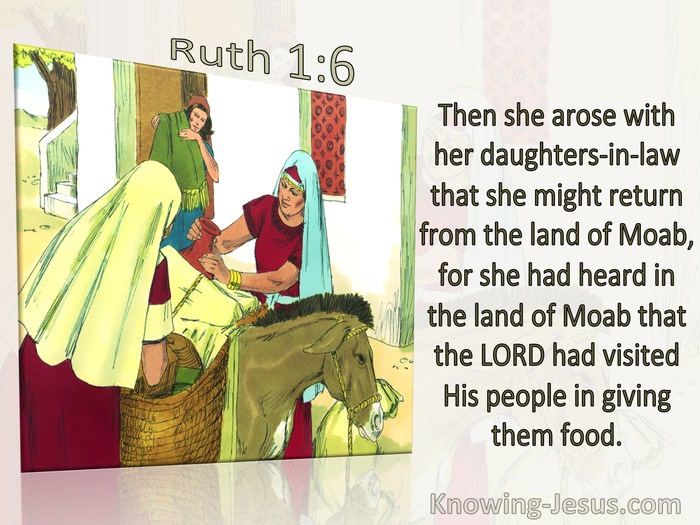
One of the most well-known examples of a positive mother-in-law and daughter-in-law relationship in the Bible is that of Ruth and Naomi. In the book of Ruth, we see an incredible bond formed between these two women despite their different backgrounds and circumstances. After the death of her husband, Ruth chose to stay with Naomi, declaring her famous words, “Where you go, I will go, and where you stay, I will stay. Your people will be my people and your God my God” (Ruth 1:16).
This loyalty and devotion from Ruth towards Naomi serve as a powerful example of the love and commitment that can exist between a mother-in-law and daughter-in-law. Despite facing challenges and hardships, Ruth and Naomi supported and cared for each other, ultimately finding redemption and blessings in their relationship.
Another example of a positive mother-in-law and daughter-in-law relationship in the Bible can be seen in the story of Elizabeth and Mary. In the Gospel of Luke, we learn about how Elizabeth, despite being older and barren, welcomed Mary into her home with open arms when she was pregnant with Jesus. Elizabeth’s words of encouragement and blessing towards Mary not only affirmed Mary’s faith but also strengthened their bond as family members.
Through the examples of Ruth and Naomi, as well as Elizabeth and Mary, the Bible teaches us the importance of building strong and supportive relationships within our families, including the relationship between mothers-in-law and daughters-in-law. By practicing love, respect, and empathy towards one another, we can create harmonious and fulfilling relationships that honor God and bring blessings to all involved.
What does the Bible say about a mother in law and daughter-in-law?
In the Bible, the relationship between a mother-in-law and daughter-in-law is often referenced in a positive light. One well-known example is the story of Ruth and Naomi in the Book of Ruth. Despite facing hardships, Ruth remained loyal to Naomi, demonstrating a deep bond and respect between the two.
Another notable passage is found in the Book of Proverbs 31:10-31, often referred to as the “virtuous woman” passage. This passage describes the qualities of a noble wife, emphasizing her strength, wisdom, and kindness. While this passage does not specifically mention the relationship between a mother-in-law and daughter-in-law, it reflects the importance of mutual respect and support within family relationships.
Overall, the Bible encourages love and respect between family members, including mothers-in-law and daughters-in-law. By following the principles of kindness and patience, individuals can cultivate healthy and loving relationships with their extended family members.
How should be the relation between mother in law and daughter-in-law?
In the Bible, the relationship between a mother-in-law and daughter-in-law is often portrayed as important and significant. One key biblical example is the relationship between Ruth and Naomi in the book of Ruth. Despite facing difficult circumstances and challenges, Ruth showed loyalty and devotion to her mother-in-law Naomi, demonstrating a deep bond of love and respect.
In Colossians 3:18-21, the Bible instructs wives to submit to their husbands and children to obey their parents, emphasizing the importance of honoring family relationships. While the specific relationship between a mother-in-law and daughter-in-law may vary in each situation, the principles of love, respect, and honor are central to maintaining positive and healthy family dynamics.
Overall, the Bible encourages individuals to treat their family members with kindness, compassion, and grace, including the relationship between a mother-in-law and daughter-in-law. By following biblical teachings and embodying virtues such as patience and forgiveness, individuals can cultivate a harmonious and loving relationship within their family.
How do you biblically deal with your mother in law?
In dealing with your mother-in-law biblically, it’s important to remember the principle of honoring one’s parents. In Exodus 20:12, the Bible says, “Honor your father and your mother, so that you may live long in the land the Lord your God is giving you.” This commandment is reiterated in the New Testament in Ephesians 6:2-3.
Therefore, when it comes to dealing with your mother-in-law, it’s important to show her respect and kindness. This can include listening to her opinions, being patient, and treating her with love as you would your own mother.
Additionally, communication is key in any relationship. If there are conflicts or issues, it’s important to address them respectfully and seek reconciliation. Prayer can also be a powerful tool in seeking wisdom, patience, and guidance in navigating your relationship with your mother-in-law.
Overall, the Bible teaches us to treat others with love, kindness, and respect, and these principles can guide your interactions with your mother-in-law as well.
Why is there tension between mother in law and daughter-in-law?
In the Bible, tension between a mother-in-law and daughter-in-law can be seen in the story of Ruth and Naomi. Ruth, a Moabite widow, chose to stay with her mother-in-law Naomi after the death of their husbands. Initially, there may have been cultural and relational tensions between them due to their different backgrounds and circumstances.
However, as the story unfolds, we see how their bond grows stronger through loyalty, love, and mutual support. Ruth’s devotion to Naomi is evident in her famous words, “Where you go I will go, and where you stay I will stay. Your people will be my people and your God my God.” (Ruth 1:16)
Ultimately, this story teaches us about the power of love and selflessness in overcoming conflicts and building strong relationships, even in challenging circumstances.