
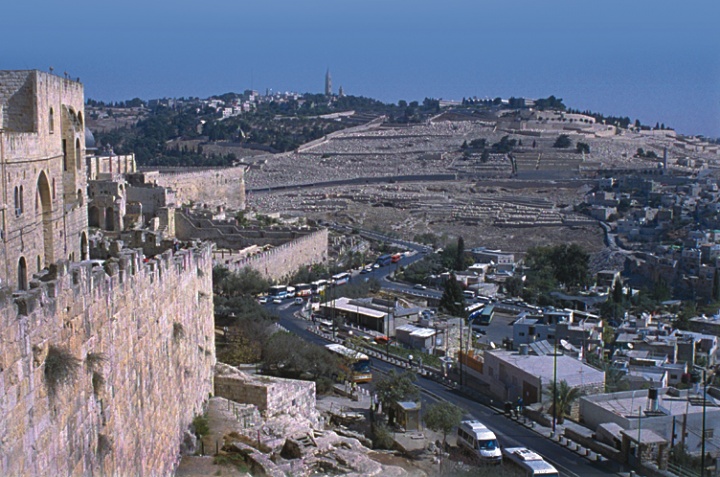
Have you ever wondered what the Bible has to say about finding peace in the tumultuous Middle East region? Despite the ongoing conflicts and challenges faced by many nations in this part of the world, the Scriptures offer profound wisdom and guidance on how true peace can be achieved. In this blog post, we will explore key passages and teachings from the Bible that point towards the possibility of peace in the Middle East, offering hope and inspiration for both individuals and communities seeking reconciliation and harmony.
By delving into the timeless truths of the Bible, we can uncover valuable insights that can help pave the way towards reconciliation and unity in the Middle East. From stories of forgiveness and redemption to teachings on love and compassion, the Scriptures provide a roadmap for building bridges and fostering understanding among diverse groups. Discover how the message of peace in the Bible transcends cultural, political, and religious divides, offering a vision of harmony that can transform the hearts and minds of all who seek a brighter future for the region.
Exploring the Biblical Perspective on Achieving Peace in the Middle East
The concept of peace in the Middle East is a complicated and deeply rooted issue that has challenged world leaders and communities for centuries. The Peace in the Middle East Bible offers a unique perspective on how individuals can work towards reconciliation and harmony in this volatile region.
The Importance of Peace
Peace is a central theme in the Bible, with numerous verses highlighting the significance of living in harmony with one another. In the context of the Middle East, peace is not just the absence of conflict but the presence of justice, equality, and understanding among diverse communities. The Peace in the Middle East Bible emphasizes the need for individuals to actively pursue peace in their daily interactions and decision-making processes.
Historical Context
The Middle East has a long history of conflict and tension, with religious, political, and cultural differences often fueling discord among nations and peoples. The Peace in the Middle East Bible encourages readers to acknowledge the complexities of the region’s history while also emphasizing the power of forgiveness, reconciliation, and dialogue in building a more peaceful future.
Leadership and Responsibility
The Bible teaches that individuals have a responsibility to promote peace in their communities and beyond. The Peace in the Middle East Bible calls on leaders to act with wisdom, compassion, and integrity as they navigate the challenges of conflict resolution and reconciliation. By following the example of biblical figures who worked tirelessly for peace, individuals can make a positive impact on the region’s stability and prosperity.
Faith and Hope
For many individuals in the Middle East, faith plays a central role in their daily lives and interactions. The Peace in the Middle East Bible draws on the teachings of love, mercy, and forgiveness found in religious texts to inspire hope and resilience in the face of adversity. By cultivating a deep sense of faith and trust in God’s guidance, individuals can find the strength and courage to pursue peace in even the most challenging circumstances.
Building Bridges
One of the key messages of the Peace in the Middle East Bible is the importance of building bridges between different communities and fostering dialogue and understanding. By reaching out to others with empathy and respect, individuals can overcome mistrust and prejudice, paving the way for genuine reconciliation and cooperation. The Bible offers a roadmap for how individuals can foster unity and solidarity in a region that has been divided by conflict and division for far too long.
In conclusion, the Peace in the Middle East Bible serves as a powerful reminder of the transformative power of peace and reconciliation in a region that has experienced centuries of conflict and turmoil. By embracing the values of justice, compassion, and understanding found in the Bible, individuals can work towards creating a more peaceful and harmonious Middle East for future generations.
What does peace in the Middle East mean?
Peace in the Middle East in the context of the Bible refers to the concept of shalom, which is more than just the absence of conflict. It represents a state of harmony, well-being, and prosperity in all aspects of life – spiritually, emotionally, socially, and physically. The Bible speaks extensively about the importance of pursuing peace and reconciliation among nations and individuals, emphasizing the need for forgiveness, love, and justice. Ultimately, peace in the Middle East from a Biblical perspective is about restoring relationships and bringing about God’s Kingdom on earth.
What is the Bible verse for peace in Israel?
One of the Bible verses that speaks about peace in Israel is Jeremiah 29:7. The verse says, “But seek the welfare of the city where I have sent you into exile, and pray to the Lord on its behalf, for in its peace you will find your peace.” This verse emphasizes the importance of seeking peace and praying for the well-being of the place where one resides.
Is there a peace treaty between Israel and Arab?
In the context of the Bible, there is no mention of a specific peace treaty between Israel and the Arab nations. However, peace is a recurring theme throughout the Bible, emphasizing the importance of living in harmony with one another. Notable passages that talk about peace include Psalm 34:14, which says “Turn from evil and do good; seek peace and pursue it,” and Romans 12:18, which encourages believers to “If it is possible, as far as it depends on you, live at peace with everyone.” Ultimately, the Bible teaches that peace is achievable through love, forgiveness, and reconciliation with one another.
What does the Bible say about peace?
The Bible speaks extensively about peace. Here are a few key verses:
1. John 14:27 – “Peace I leave with you; my peace I give you. I do not give to you as the world gives. Do not let your hearts be troubled and do not be afraid.”
2. Philippians 4:7 – “And the peace of God, which transcends all understanding, will guard your hearts and your minds in Christ Jesus.”
3. Isaiah 26:3 – “You will keep in perfect peace those whose minds are steadfast, because they trust in you.”
4. Romans 12:18 – “If it is possible, as far as it depends on you, live at peace with everyone.”
5. Psalm 34:14 – “Turn from evil and do good; seek peace and pursue it.”
Overall, the Bible teaches that true peace comes from God and is found through trust in Him, living harmoniously with others, and seeking to do good and avoid evil.