
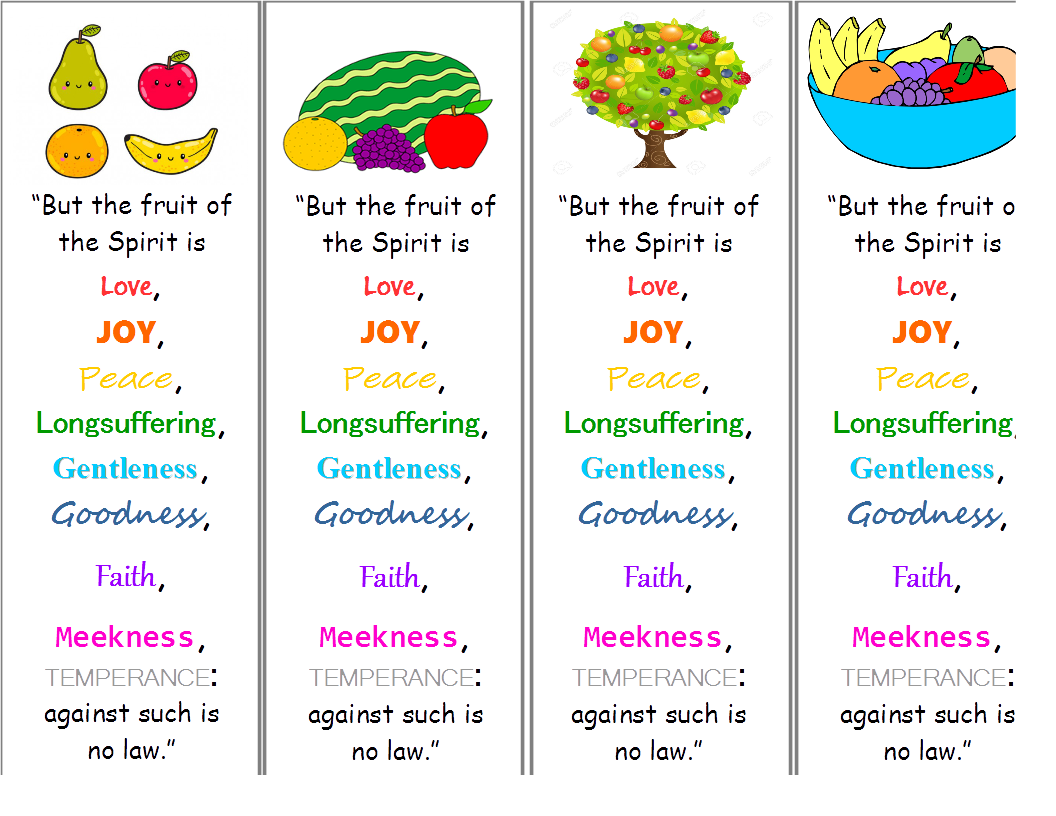
Have you ever wanted a fun and interactive way to explore the concept of the Fruit of the Spirit from the Bible? Look no further! Our printable Bible resource on the Fruit of the Spirit is designed to help you dive deeper into Galatians 5:22-23 in a creative and engaging way. This unique printable includes activities, coloring pages, and reflection prompts that will not only deepen your understanding of the Fruit of the Spirit but also provide a meaningful and enjoyable experience for individuals of all ages.
By using our Printable Bible Fruit of the Spirit resource, you will not only enhance your knowledge of this important biblical concept but also have a tangible tool to help you incorporate these qualities into your daily life. Whether you are looking for a personal study aid, a family activity, or a resource for Sunday school lessons, this printable is versatile and can be adapted to suit your needs. So why wait? Download our Printable Bible Fruit of the Spirit now and start your journey towards a more fruitful and spiritually enriching life.
Unlocking the Power of the Fruit of the Spirit with Printable Bible Resources
The Fruit of the Spirit is a term used by the apostle Paul in his letter to the Galatians, where he lists out nine attributes that should be evident in the life of a believer who is guided by the Holy Spirit. These attributes are love, joy, peace, patience, kindness, goodness, faithfulness, gentleness, and self-control. They are seen as the natural result of allowing the Holy Spirit to work in and through a person’s life.
The concept of the Fruit of the Spirit is often represented visually using an image of a tree with nine different fruits hanging from its branches, each fruit representing one of the attributes listed by Paul. This imagery serves as a reminder of the interconnected nature of these attributes and how they grow together in the life of a believer.
Understanding and cultivating the Fruit of the Spirit is crucial for Christians, as it reflects the character of Christ and is a mark of spiritual maturity. By developing these qualities, believers can better reflect God’s love and grace to the world around them. It is also a sign that the Holy Spirit is actively working in their lives, transforming them to be more like Christ.
Printable resources that focus on the Fruit of the Spirit can be a helpful tool for individuals, families, or small groups looking to dive deeper into this concept. These resources may include coloring pages, Bible verses related to each attribute, reflection questions, and practical applications for incorporating the Fruit of the Spirit into daily life.
By regularly engaging with the Fruit of the Spirit and seeking to cultivate these attributes in our lives, we can experience transformation and growth in our relationship with God and others. The Fruit of the Spirit serves as a guide for how we should live out our faith in a tangible and visible way, demonstrating the power of God’s Spirit at work within us.
What are the 12 fruits of the Holy Spirit in order?
The 12 fruits of the Holy Spirit, as mentioned in the Bible, are traditionally listed in the following order:
1. Love
2. Joy
3. Peace
4. Patience
5. Kindness
6. Goodness
7. Generosity
8. Gentleness
9. Faithfulness
10. Modesty
11. Self-control
12. Chastity
These fruits are derived from Galatians 5:22-23 in the New Testament.
What are the 7 fruits of the Spirit Scripture?
The seven fruits of the Spirit are outlined in Galatians 5:22-23 in the Bible. The passage states:
“But the fruit of the Spirit is love, joy, peace, longsuffering, kindness, goodness, faithfulness, gentleness, self-control. Against such there is no law.”
How do you teach the fruits of the spirit?
Teaching the fruits of the Spirit from the Bible is an important aspect of Christian education. Here are some ways to effectively communicate this concept:
1. Study the Scriptures: Begin by examining Galatians 5:22-23, where the fruits of the Spirit are listed. Help your audience understand each fruit and its significance in a believer’s life.
2. Prayer and Reflection: Encourage individuals to pray for the fruits of the Spirit to manifest in their lives. Reflecting on areas where they may need growth can also be helpful.
3. Practical Application: Provide real-life examples and scenarios where the fruits of the Spirit can be demonstrated. Encourage your audience to practice love, joy, peace, patience, kindness, goodness, faithfulness, gentleness, and self-control in their daily interactions.
4. Discussion and Accountability: Create a space for open dialogue where individuals can share their experiences of cultivating the fruits of the Spirit. Consider implementing accountability partners or small group discussions to support growth and development.
5. Lifestyle Integration: Emphasize the importance of living out the fruits of the Spirit consistently, both in personal relationships and in the wider community. Encourage individuals to be intentional about displaying these qualities in all areas of their lives.
By incorporating these strategies into your teaching on the fruits of the Spirit, you can help others deepen their understanding of these virtues and grow in their walk with God.
What are the 9 fruits of the Holy Spirit?
The 9 fruits of the Holy Spirit are love, joy, peace, patience, kindness, goodness, faithfulness, gentleness, and self-control. These fruits are qualities that are produced in the lives of believers through the work of the Holy Spirit. They are described in the Bible in Galatians 5:22-23.