
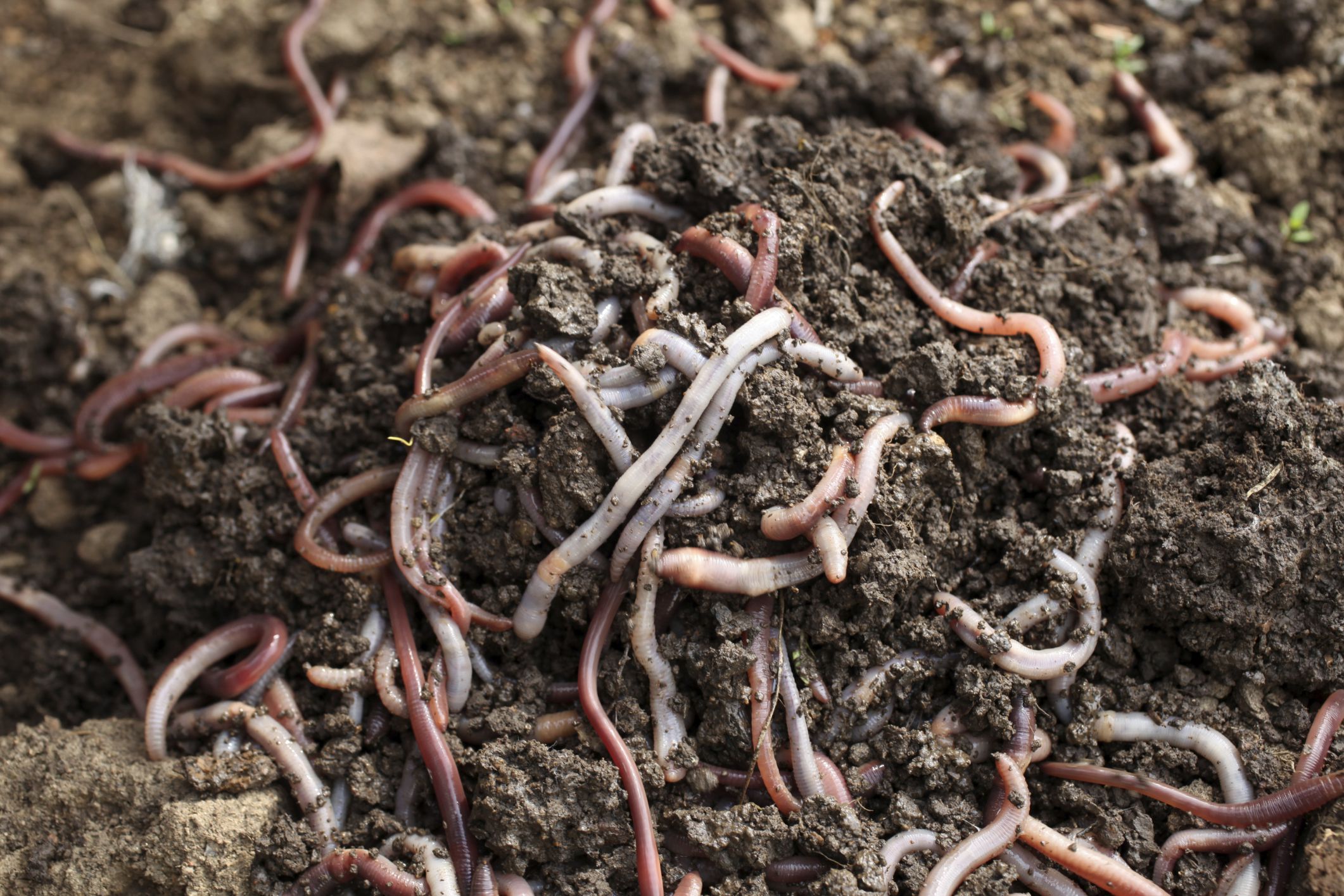
Have you ever come across the intriguing reference to “rain of worms” in the Bible? In this blog post, we delve into this mysterious phenomenon mentioned in the Book of Exodus. Exploring the significance and symbolism behind this unusual event can offer us a deeper understanding of the biblical narrative and its teachings.
By uncovering the meaning of the rain of worms in the Bible, we can gain insights into the ways in which God communicates with His people through extraordinary signs and wonders. This exploration not only enriches our knowledge of scripture but also invites us to reflect on the profound messages hidden within seemingly unusual occurrences. Join us on this journey as we unravel the mysteries of the rain of worms in the Bible and discover the profound spiritual truths it unveils.
Wonders and Warnings: Exploring the Rain of Worms Phenomenon in the Bible
In the Bible, the concept of a “Rain of Worms” is mentioned in the Book of Exodus. This unsettling event occurred during the time of Moses and the Israelites’ exodus from Egypt. The rain of worms was one of the plagues that afflicted the Egyptians as a sign of divine punishment for their refusal to release the Israelites from slavery.
The specific passage that references the rain of worms can be found in Exodus 16:13, which recounts how God provided manna for the Israelites to eat in the wilderness. In verse 14, it states: “When the layer of dew lifted, there on the surface of the wilderness was a fine flaky substance, as fine as frost on the ground.” This “fine flaky substance” is described elsewhere in the passage as being white like coriander seed and tasting like wafers made with honey.
However, in verses 20-21 of the same chapter, we see that some of the Israelites did not listen to Moses’ instructions regarding the manna. Instead of gathering only what they needed for the day, they tried to hoard it for the next day. As a result, the manna bred worms and stank. This incident serves as a lesson about trust in God’s provision and obedience to His commands.
The rain of worms in this context symbolizes the consequences of disobedience and lack of faith. It illustrates the importance of following God’s guidance and trusting in His provision, even when faced with uncertainty or scarcity. Just as the Israelites were given manna as a daily sustenance, we too are called to rely on God for our needs and to walk in obedience to His word.
What is the significance of worms in the Bible?
Worms are mentioned several times in the Bible and often carry symbolic significance. In the Old Testament, worms are used to describe decay, destruction, and mortality. For example, in Job 17:14, it says, “I have said to corruption, ‘You are my father,’ to the worm, ‘My mother’ and ‘My sister.'” This highlights the idea of decay and insignificance in the face of death.
In the New Testament, Jesus uses the imagery of worms in a more vivid and striking way. In Mark 9:48, Jesus speaks of a place where “‘the worms that eat them do not die, and the fire is not quenched.'” This is often interpreted as a description of Hell, emphasizing eternal suffering and destruction.
Overall, the use of worms in the Bible serves to illustrate themes of decay, mortality, and punishment for sin. It symbolizes the fleeting nature of life and the consequences of disobedience to God.
What are the worms in Revelations?
In the context of the Bible, the “worms” mentioned in the Book of Revelation are likely symbolic rather than literal. In Revelation 14:11, it describes the fate of those who worship the beast: “And the smoke of their torment will rise for ever and ever. There will be no rest day or night for those who worship the beast and its image, or for anyone who receives the mark of its name.” The term “worms” here is a representation of the eternal suffering and punishment that awaits those who reject God. It emphasizes the imagery of decay, destruction, and eternal separation from God’s presence.
Similarly, in Mark 9:48, Jesus uses the imagery of “worms that eat them do not die, and the fire is not quenched” to describe the eternal punishment of hell. This reinforces the idea of unending suffering and separation from God’s mercy and grace.
Overall, the mention of “worms” in the Bible, particularly in Revelation, serves as a powerful symbol of the consequences of rejecting God and choosing to follow a path away from Him. It signifies eternal punishment, anguish, and separation from the divine.
Why do worms appear when raining?
Worms appearing when it rains is not directly mentioned in the Bible. However, some scholars and theologians suggest that this phenomenon could be related to passages in the Old Testament where worms are used as a symbol of decay and destruction. For example, in Job 17:14 it says, “I said to corruption, ‘You are my father,’ and to the worm, ‘My mother’ or ‘my sister.'” This metaphorical use of worms to represent decay and impermanence could be connected to the visible appearance of worms on the surface when the rain brings them up from the ground. Additionally, in Isaiah 14:11, it talks about how the pomp of the king of Babylon will be brought down to Sheol with the sound of harps, and “the maggot is spread under you, and the worms cover you.” This imagery of worms consuming the dead is another link that some draw between biblical texts and the appearance of worms during rainfall.
Why do earthworms come out of the soil only during heavy rains?
Earthworms coming out of the soil during heavy rains can be compared to how people may seek refuge or safety during times of trouble. In the Bible, there are several references to seeking God’s protection during storms or difficult times. Just like earthworms emerge from the soil to avoid drowning in waterlogged conditions, individuals may turn to God for shelter and guidance when faced with overwhelming challenges. This behavior of earthworms can serve as a reminder of the importance of seeking God’s presence in times of trouble and relying on His strength to weather the storm.