
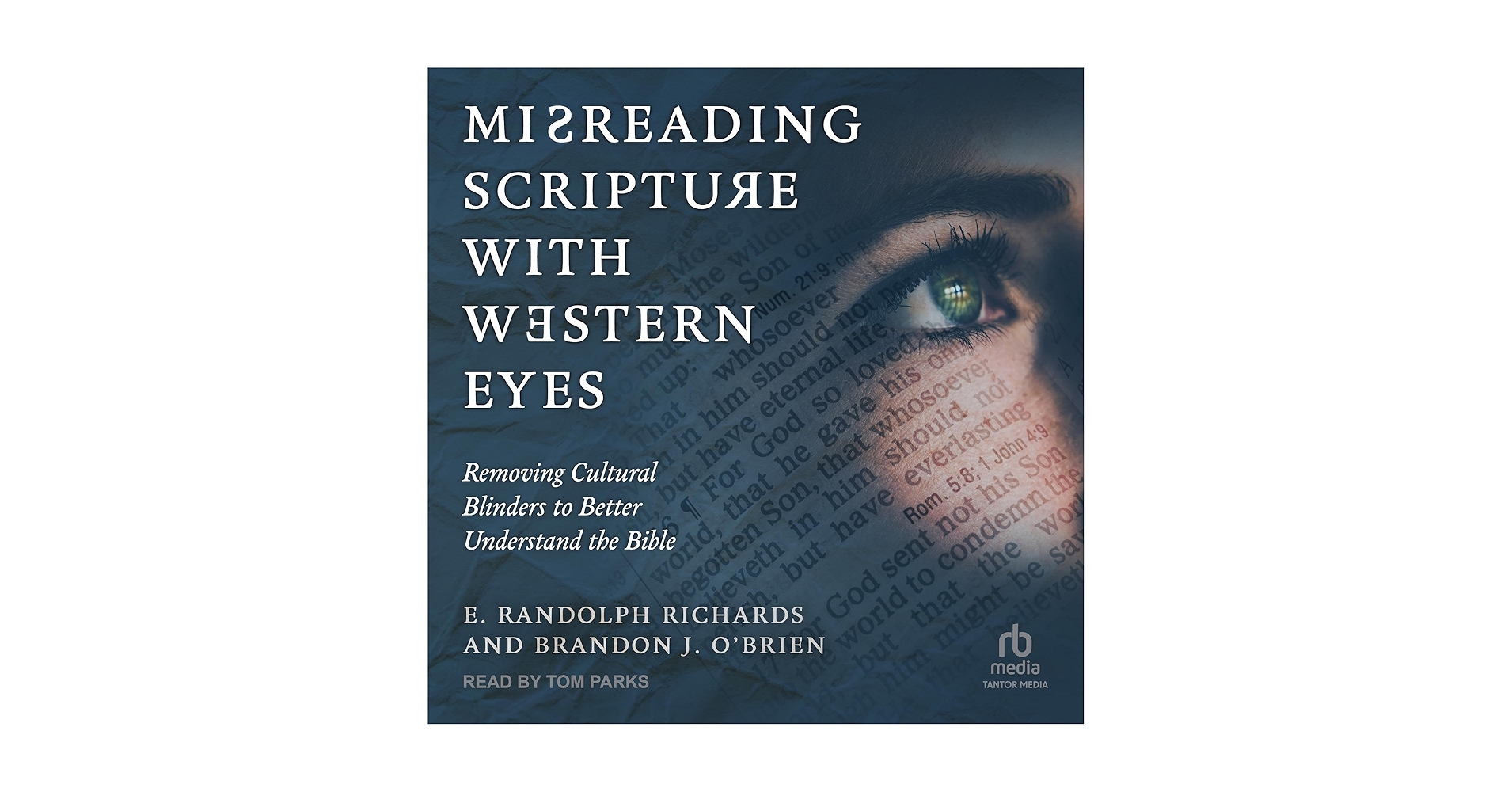
Have you ever considered how cultural biases may influence our interpretation of the Bible? In a world where Western perspectives often dominate, it is crucial to pause and reflect on how our own cultural background shapes the way we read and understand scripture. In this blog post, we will explore the concept of reading the Bible through Western eyes and the importance of being aware of and challenging our cultural biases to gain a more holistic understanding of God’s word.
By examining the implications of reading the Bible through Western eyes, we can broaden our perspective and develop a deeper appreciation for the diversity of interpretations and applications of scripture across different cultures. Recognizing the cultural lenses through which we view the Bible allows us to engage with the text in a more nuanced and inclusive manner, ultimately enriching our spiritual journey and fostering empathy and understanding towards others. Join us as we delve into the significance of approaching the Bible with an open mind and a willingness to challenge and transcend cultural limitations in our quest for truth and spiritual growth.
Unlocking a New Perspective: Reading the Bible Through Western Eyes
Reading the Bible Through Western Eyes can present challenges as well as opportunities for interpretation and understanding. Western culture, with its values, history, and worldview, may influence how individuals approach and interpret the Bible. This can be seen in various ways, such as the translation of biblical texts, the emphasis placed on certain themes or messages, and even the way in which stories are understood and applied.
One aspect of reading the Bible through Western eyes is the influence of individualism. Western societies often prioritize personal autonomy, self-reliance, and individual accomplishment. This can lead to a focus on personal salvation, individual spiritual growth, and the idea of a personal relationship with God when reading the Bible. Additionally, Western cultures tend to value independence and self-sufficiency, which may shape interpretations of biblical passages related to community, interdependence, and social justice.
Furthermore, the historical and cultural context of the West can affect how biblical narratives are understood. For example, the emphasis on progress, technological advancement, and scientific reasoning in Western societies may impact how miracles or supernatural events in the Bible are perceived. There may be a tendency to rationalize or explain away such occurrences, instead of approaching them with a sense of awe, mystery, and faith.
In addition, the Western tradition of rationality and logic can influence how biblical teachings are interpreted and applied. The emphasis on intellectual understanding and systematic theology may lead to a tendency to dissect and analyze scripture in a logical and linear fashion. While this approach can yield valuable insights, it may also overlook the symbolic, poetic, and metaphorical aspects of the Bible that convey deeper spiritual truths.
Moreover, the socio-political landscape of the West may shape interpretations of biblical passages related to power, authority, and social issues. For instance, concepts of democracy, human rights, and equality may inform how biblical texts about justice, inequality, and oppression are understood. This can lead to interpretations that emphasize liberation, advocacy for the marginalized, and social activism, reflecting the values and concerns of contemporary Western society.
In conclusion, reading the Bible through Western eyes involves being aware of the cultural, historical, and ideological influences that shape our understanding of scripture. By recognizing and critically examining these influences, we can approach the Bible with a more nuanced and open-minded perspective, appreciating its diversity, complexity, and timeless relevance. Ultimately, engaging with the Bible in a cross-cultural and interdisciplinary manner can enrich our spiritual journey and foster greater unity and understanding within the global community of believers.
What is misreading scripture with modern eyes?
Misreading scripture with modern eyes refers to the act of interpreting biblical passages without considering the historical and cultural context in which they were written. When we approach the Bible with modern biases, beliefs, or perspectives, we may inadvertently distort the original meaning of the text. It’s important to study the Scriptures within their original context, taking into account the language, customs, and societal norms of the time. This helps us avoid imposing our own interpretations on the Bible and allows us to better understand the intended message of the text.
What does Matthew 6 22 23 mean?
In Matthew 6:22-23, Jesus says, “The eye is the lamp of the body. If your eyes are healthy, your whole body will be full of light. But if your eyes are unhealthy, your whole body will be full of darkness. If then the light within you is darkness, how great is that darkness!”
This passage is often interpreted to mean that one’s perspective and focus in life can affect their spiritual well-being. Having a focused, clear vision for goodness and righteousness can lead to a life filled with light and understanding. However, if one’s focus is on sinful or immoral things, it can lead to spiritual darkness and distance from God. So, it encourages believers to be mindful of what they focus on and prioritize in their lives.
What does the Bible say about spiritual eyes?
In the Bible, the concept of spiritual eyes is often used metaphorically to refer to understanding or perceiving spiritual truths. One significant reference can be found in Ephesians 1:18, where it says, “I pray that the eyes of your heart may be enlightened in order that you may know the hope to which he has called you, the riches of his glorious inheritance in his holy people.” This verse highlights the importance of having spiritual eyes opened by God to comprehend the depth of His promises and blessings. Additionally, in 2 Corinthians 4:18, it mentions, “So we fix our eyes not on what is seen, but on what is unseen since what is seen is temporary, but what is unseen is eternal.” This verse emphasizes the need to focus on spiritual realities rather than temporal circumstances. Overall, the Bible encourages believers to seek spiritual eyes that are discerning and focused on eternal truths.
Were Adam and Eve’s eyes opened?
Yes, in the Bible, after eating the forbidden fruit from the tree of knowledge of good and evil, Adam and Eve’s eyes were opened. This occurred in the book of Genesis, chapter 3, verse 7, where it says, “Then the eyes of both of them were opened, and they realized they were naked.” This event marked the moment when Adam and Eve became aware of their sin and disobedience against God.