
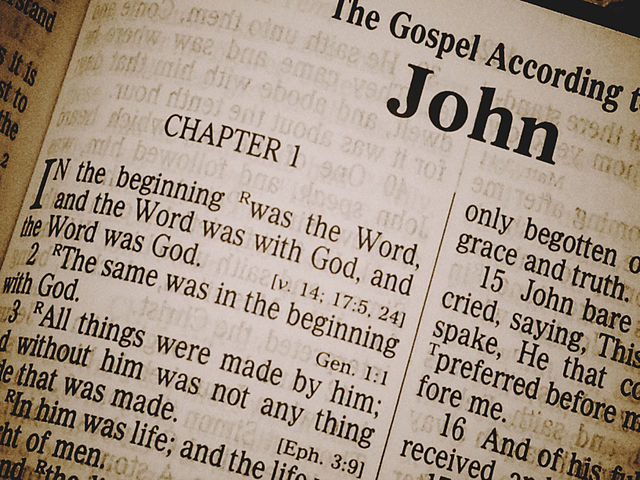
Have you ever considered the significance of the first three words in the Bible? In this blog post, we delve into the profound meaning behind these initial words and their relevance in the broader context of scripture. Understanding the message encapsulated within these first three words can provide us with a solid foundation for comprehending the core themes and narratives that unfold throughout the rest of the Bible.
By exploring the intricacies of the first three words in the Bible, readers can gain insights into the overarching themes of creation, purpose, and divine authority. Unpacking the layers of meaning within these foundational words can offer a deeper appreciation for the rich tapestry of stories and teachings that follow in the scriptures. Join us on this enlightening journey as we uncover the hidden gems contained within the opening lines of the Bible and discover how they set the stage for the entire narrative that unfolds within its pages.
In the beginning: uncovering the significance of the first three words in the Bible
In the beginning God created the heavens and the earth. These are the first three words in the Bible, found in the book of Genesis 1:1. This simple yet profound statement encapsulates the foundational belief of many religious traditions – that the universe was brought into existence by a divine being.
The phrase “In the beginning” sets the stage for the creation story that follows, signaling the start of time itself. It signifies a starting point, a moment when everything began. This opening phrase invites readers to contemplate the concept of origins, sparking questions about the nature of existence and the purpose of life.
The word “God” is introduced immediately after, emphasizing the central role of a supreme being in the act of creation. The mention of God right at the beginning highlights the belief in a transcendental, omnipotent force that governs the universe. It asserts the ultimate authority and power attributed to this divine entity.
The act of creation itself is then described succinctly with the words “created the heavens and the earth”. This declaration conveys the enormity of God’s creative power, as the heavens and the earth represent the entirety of the cosmos. The inclusion of both the spiritual realm (heavens) and the physical world (earth) underscores the comprehensive nature of God’s creation.
Overall, these first three words in the Bible serve as an introduction to the overarching narrative of creation and set the stage for the exploration of themes such as the nature of God, the purpose of existence, and the relationship between the divine and the material world. They lay the foundation for the rich tapestry of stories, teachings, and wisdom that follow throughout the rest of the biblical text.
What are the first three words of Genesis 1?
The first three words of Genesis 1 are: “In the beginning”.
What is the first word in Bible?
The first word in the Bible is “In the beginning.”
What was the first spoken words in the Bible?
The first spoken words in the Bible are found in Genesis 1:3, where God said, “Let there be light,” as He began the process of creating the world.
What are the 3’s of the Bible?
In the context of the Bible, the 3’s refer to several important themes and concepts that appear frequently throughout the text. Here are some notable examples:
1. The Holy Trinity: One of the central doctrines of Christianity is the belief in the Trinity, which consists of God the Father, God the Son (Jesus Christ), and God the Holy Spirit. This triune nature of God is a fundamental aspect of Christian theology and is found throughout the New Testament.
2. The Threefold Nature of Man: The Bible often describes human beings as having three distinct parts: body, soul, and spirit. This concept is mentioned in verses such as 1 Thessalonians 5:23, where the Apostle Paul prays for believers to be sanctified wholly in these three aspects.
3. The Threefold Ministry of Jesus: Jesus’ earthly ministry can be understood in terms of three main roles: Prophet, Priest, and King. As a prophet, Jesus proclaimed the message of God, as a priest, he offered himself as a sacrifice for sin, and as a king, he reigns over all creation. This threefold ministry highlights the diverse aspects of Jesus’ redemptive work.
These are just a few examples of how the number three is significant in the Bible, representing unity, completeness, and divine perfection.