
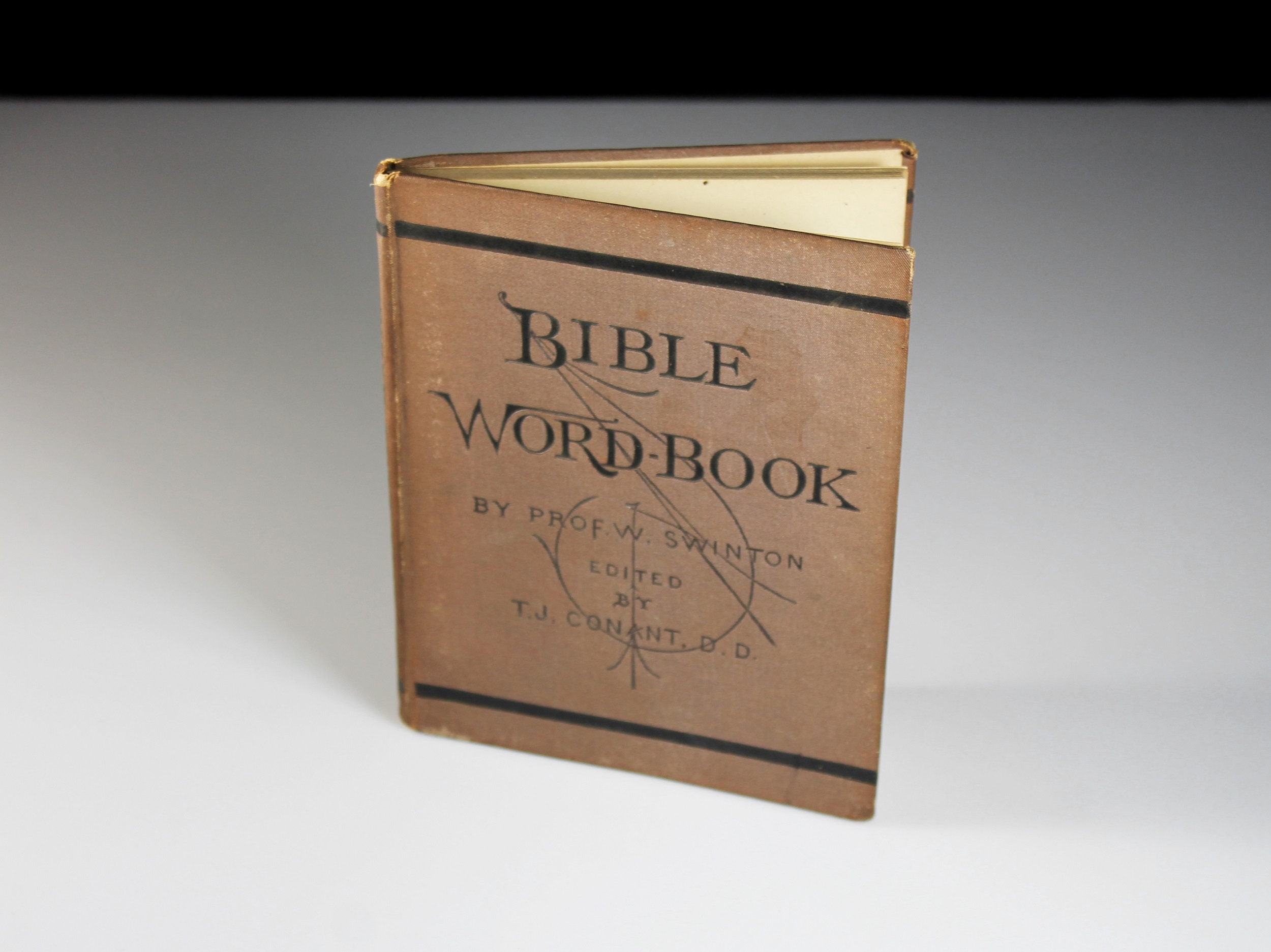
Have you ever wondered about the history of Bible translations and editions? In 1876, a unique and revolutionary edition of the Holy Bible was released – The People’s Standard Edition. This edition aimed to make the sacred text more accessible and understandable to the common people, offering a fresh perspective on the timeless teachings of the Bible.
The People’s Standard Edition of the Holy Bible 1876 stood out for its clear and straightforward language, making it easier for individuals of all backgrounds to engage with the word of God. This innovative approach transformed the way many people interacted with the scriptures, bridging the gap between scholars and everyday readers. Join us as we explore the significance and impact of this influential edition in the history of Bible translation and dissemination.
Unveiling the People’s Standard Edition of the Holy Bible 1876: A Historical Exploration
The People’s Standard Edition of the Holy Bible, published in 1876, holds a special place in the history of English language Bibles. This particular edition sought to make the Scriptures more accessible to the common people by providing a clear and easy-to-understand translation of the sacred text.
One of the key elements of The People’s Standard Edition is its commitment to accuracy and faithfulness to the original Hebrew and Greek texts. The translators of this edition were dedicated to ensuring that the meaning of the biblical passages was conveyed accurately while also making the language more understandable to the average reader.
In addition to focusing on accuracy, The People’s Standard Edition of the Holy Bible also aimed to present the text in a way that was engaging and approachable. The translators took care to use language that would resonate with readers from a variety of backgrounds, allowing the timeless message of the Bible to reach a wider audience.
This edition of the Bible includes both the Old and New Testaments, providing readers with a comprehensive view of the biblical narrative. From the creation of the world to the life and teachings of Jesus Christ, The People’s Standard Edition offers a complete picture of the Christian faith and its foundations.
Overall, The People’s Standard Edition of the Holy Bible 1876 is a testament to the ongoing efforts to bring the Word of God to people in a way that is both faithful to the original text and accessible to all who seek spiritual guidance and wisdom.
Which version of the Bible is closest to the original Hebrew?
The version of the Bible that is closest to the original Hebrew text is the Masoretic Text. This text forms the basis of the Hebrew Bible, also known as the Tanakh, and is considered to be the most reliable source for studying the Old Testament in its original language. The Masoretic Text has been meticulously preserved and handed down by Jewish scribes over the centuries, maintaining the integrity of the Hebrew scriptures. Many modern English translations of the Bible rely on the Masoretic Text as their primary source for the Old Testament.
What Bibles are worth money?
Certain Bibles are considered valuable due to their rarity, age, historical significance, or unique features. Some of the Bibles that are worth money include:
1. Gutenberg Bible: Also known as the 42-line Bible, it is the first major book printed using movable type in the 1450s. Only about 50 copies are known to exist today.
2. The She Bible: Printed in 1611, the She Bible is a rare edition of the King James Version with a printing error in Ruth 3:15 that referred to Ruth as ‘he’ instead of ‘she’.
3. The Wicked Bible: Published in 1631, this edition of the King James Version contained a misprint in the Ten Commandments, stating, “Thou shalt commit adultery.” Only a few copies are known to have survived.
4. First Edition Bibles: First editions of significant translations or versions, such as the first edition of the King James Bible, can also be valuable.
5. Family Bibles: Antique family Bibles with genealogical information, illustrations, or personal notes can be sought after by collectors.
It’s important to note that the value of a Bible can vary greatly depending on its condition, edition, provenance, and demand among collectors. If you believe you have a valuable Bible, it’s recommended to consult with a reputable rare book dealer or appraiser for an accurate assessment.
Why was the book of Enoch removed from the Bible?
The book of Enoch was not included in the canonical Bible for several reasons. First, it was written much later than many of the books that were eventually included in the Bible. Second, it contains teachings and stories that were considered too speculative and outside the mainstream beliefs of early Christianity. Third, the authorship of the book was attributed to Enoch, a figure from the Hebrew Bible, but scholars believe it was actually written by multiple authors over a period of time. Lastly, the theology presented in the book of Enoch diverges from the theological framework of the rest of the Bible. These factors contributed to the decision not to include the book of Enoch in the Biblical canon.
What is the oldest Bible you can buy?
The oldest Bible manuscript that can be purchased is Codex Sinaiticus. It is a handwritten copy of the Greek Bible dating back to the 4th century CE. The Codex Sinaiticus is available for purchase in digital form or as facsimile editions, making it accessible to collectors and scholars interested in ancient biblical texts.