
Have you ever wondered about the significance of the Water Gate in the Bible? This often-overlooked structure played a crucial role in the history of ancient Jerusalem and holds valuable lessons for us today. In this blog post, we will explore the spiritual symbolism and practical applications of the Water Gate, shedding light on its importance in the biblical narrative.
Understanding the Water Gate in the Bible can provide us with insights into the themes of purification, renewal, and restoration. By delving into the historical context and biblical references associated with this gate, we can uncover timeless truths that offer guidance and encouragement for our own spiritual journey. Join us as we dive into the depths of the Word to discover the hidden treasures waiting to be revealed through the remarkable story of the Water Gate.
Unlocking the Meaning of the Water Gate in the Bible: A Spiritual Reflection
The Water Gate in the Bible
The Water Gate is mentioned several times in the Bible, particularly in the Old Testament. One of the most famous references to the Water Gate is found in the book of Nehemiah, where it holds significant religious and historical importance.
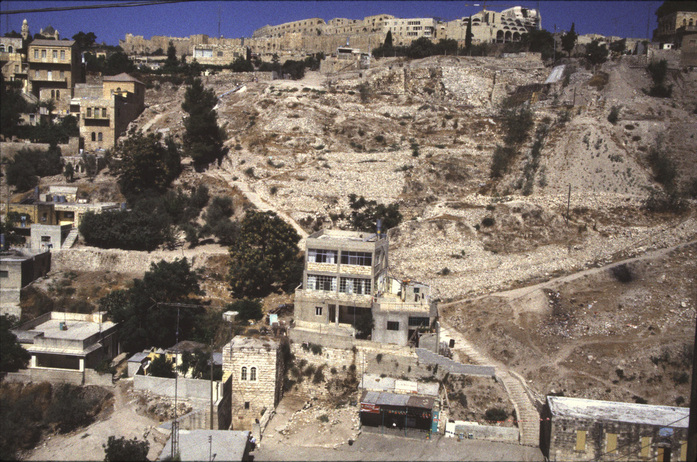
In Nehemiah 3:26, we read about the Water Gate being reconstructed by the Levites under the leadership of Nehemiah during the time of the restoration of Jerusalem’s walls. The Water Gate was one of the gates that led into the city of Jerusalem, situated near the Gihon Spring, which was the primary water source for the inhabitants of the city.
The Water Gate’s proximity to the water source symbolizes purification, cleansing, and renewal, making it a spiritually significant location. In Nehemiah 8:1-3, we see the Water Gate being used as a gathering place for the people of Jerusalem to hear the reading of the Law by Ezra the scribe. This event marked a crucial moment in Israelite history as the people renewed their commitment to God’s Word.
Furthermore, the Water Gate serves as a reminder of the spiritual thirst and longing for God’s presence. Just as physical water sustains life, the living water of God’s Word nourishes the soul and brings about transformation and renewal. Jesus also speaks of Himself as the living water in the New Testament, emphasizing the spiritual significance of water as a symbol of eternal life and salvation.
The Water Gate in the Bible signifies not only a physical entrance to the city but also a spiritual gateway to God’s presence and Word. Its mention in the Scriptures serves as a powerful reminder of the importance of seeking spiritual nourishment and cleansing through God’s Word.
What does the water gate mean in the Bible?
In the Bible, the Water Gate is referenced in the book of Nehemiah. It was one of the gates in the wall of Jerusalem that was rebuilt by the Israelites under the guidance of Nehemiah. The Water Gate is significant because it was through this gate that the people gathered to hear Ezra read the Book of the Law to them. This event marked a key moment of spiritual renewal and commitment to following God’s word. The Water Gate symbolizes the importance of hearing and obeying God’s word, as well as the repentance and restoration of the people of Israel.
What does gate represent in the Bible?
In the Bible, gate symbolizes several important things.
1. Authority and Power: Gates were where city leaders, judges, and elders would gather to make decisions and exercise authority. In the Bible, gates often represent the seat of power and authority.
2. Protection: Gates served as a defense mechanism for cities. They were the point of entry and exit, controlling who was allowed in and out. In the Bible, gates symbolize protection and security.
3. Justice and Judgment: The gates of a city were where legal matters were settled and justice was administered. In this sense, gates represent the place of judgment and righteousness.
4. Access to God: In some biblical passages, gates are associated with entering the presence of God or the kingdom of heaven. For example, Psalm 100:4 says, “Enter his gates with thanksgiving and his courts with praise.”
Overall, gates in the Bible symbolize authority, protection, justice, and access to God.
What is the significance of the gates in Nehemiah?
In the book of Nehemiah, the gates of Jerusalem hold significant spiritual and symbolic meaning. The gates represent different aspects of the Christian walk and serve as a metaphor for various aspects of spiritual life and growth.
1. The Sheep Gate symbolizes Jesus as the sacrificial Lamb of God. It speaks of repentance and salvation, as well as the importance of entering through the proper gate to access God’s presence.
2. The Fish Gate represents evangelism and discipleship. It reminds believers of their calling to spread the Gospel and make disciples of all nations.
3. The Old Gate signifies tradition and the foundational truths of the faith. It highlights the importance of holding on to sound doctrine and not being swayed by false teachings.
4. The Valley Gate speaks of humility and dependence on God. It reminds believers that true strength comes from relying on Him rather than on their own abilities.
5. The Dung Gate symbolizes repentance and the need for cleansing. It underscores the importance of confessing sins and turning away from anything that hinders our relationship with God.
6. The Fountain Gate represents the Holy Spirit and the flow of living water. It speaks of spiritual renewal and the continuous work of the Spirit in the lives of believers.
7. The Water Gate symbolizes the Word of God. It highlights the importance of studying and meditating on Scripture for spiritual nourishment and growth.
8. The Horse Gate signifies readiness for spiritual battle. It reminds believers to be equipped with the armor of God and stand firm in their faith against the schemes of the enemy.
9. The East Gate represents the return of Christ. It serves as a reminder of the hope believers have in the second coming of Jesus and the promise of eternal life with Him.
Overall, the gates of Nehemiah symbolize various aspects of the Christian journey, from repentance and salvation to spiritual growth and readiness for Christ’s return. They remind believers of the foundational truths of the faith and the ongoing work of the Holy Spirit in their lives.
What does the Beautiful Gate symbolize?
The Beautiful Gate in the Bible is mentioned in the book of Acts, where a man who had been lame from birth was carried and placed there every day to beg for money. The gate itself symbolizes hope, healing, and transformation. In this particular story, the gate becomes the place where a miraculous healing takes place, demonstrating the power and compassion of Jesus Christ. The act of the man walking for the first time through the Beautiful Gate after being healed also symbolizes new beginnings and a restored life. It serves as a powerful reminder that through faith and belief in Jesus, we can experience transformation and restoration in our own lives.