
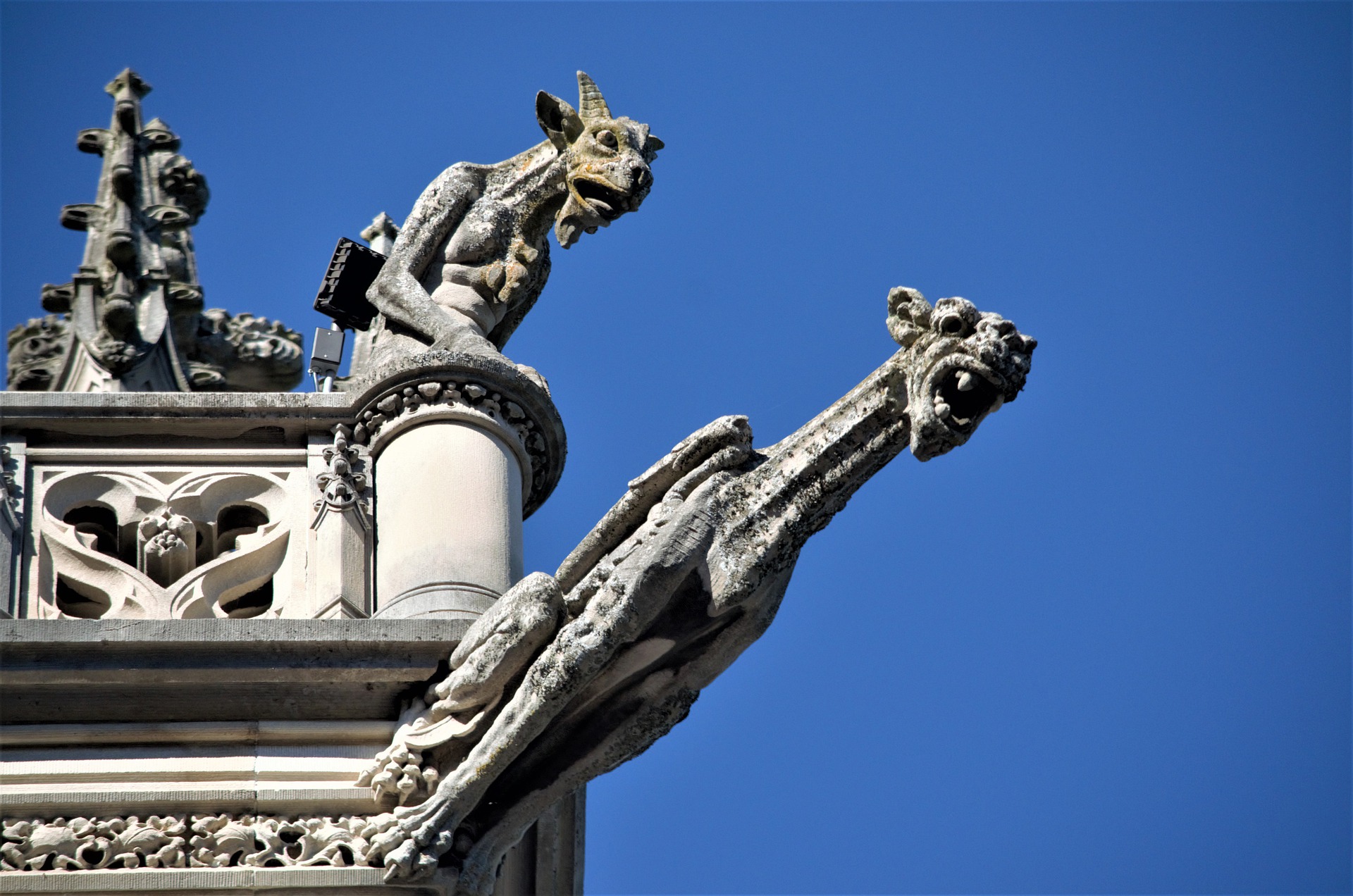
Have you ever wondered about the significance of gargoyles in religious art and architecture, particularly in the context of the Bible? In this blog post, we will delve into the fascinating world of gargoyles and explore what they represent in the Bible. By uncovering the hidden meanings behind these enigmatic figures, we can gain a deeper understanding of their symbolic importance and how they are intertwined with biblical themes.
Gargoyles are more than just decorative elements on buildings – they serve as powerful symbols that convey spiritual truths and offer protection against evil forces. By exploring the biblical connections of gargoyles, we can appreciate the rich layers of symbolism embedded in these intriguing creatures and how they continue to captivate our imagination and curiosity today. Join us on this journey as we unravel the mystery of what gargoyles represent in the Bible and uncover the profound messages they convey to believers and non-believers alike.
Decoding the Symbolism: Unveiling the Meaning of Gargoyles in the Bible
What Do Gargoyles Represent in the Bible
Gargoyles are unique architectural features that can be found on many historic buildings, such as cathedrals and churches. These grotesque figures are often carved out of stone and serve as waterspouts to divert rainwater away from the building. While gargoyles are primarily known for their decorative and functional purposes, they have also captured the imagination of many people, leading to various interpretations of their symbolism.
In the context of the Bible, some scholars and theologians have attempted to draw parallels between gargoyles and certain biblical themes. One common interpretation is that gargoyles represent evil or demonic forces, serving as a form of protection against malevolent spirits. In this sense, gargoyles are seen as guardians of sacred spaces, warding off evil influences and protecting the faithful from harm.
Another interpretation suggests that gargoyles symbolize the battle between good and evil, with the monstrous figures embodying the struggles faced by humanity in its spiritual journey. Just as Christians are called to resist temptation and overcome sin, so too do gargoyles stand as a visual reminder of the ongoing spiritual warfare that believers must engage in.
Additionally, some view gargoyles as reminders of the consequences of sin and the need for repentance. The frightening appearance of these creatures serves as a warning of the dangers of turning away from God and succumbing to wickedness. By incorporating gargoyles into the architecture of religious buildings, it is believed that individuals are reminded of the importance of staying faithful and living a life in accordance with biblical teachings.
Overall, the symbolism of gargoyles in the Bible is open to interpretation and can vary depending on cultural and religious perspectives. While some may see gargoyles as mere decorative elements or architectural features, others find deeper spiritual meanings in these enigmatic creatures. Regardless of how one interprets their symbolism, there is no denying the mysterious allure and enduring presence of gargoyles in the realm of art, architecture, and religious iconography.
Are gargoyles demons or angels?
In the context of the Bible, gargoyles are not specifically mentioned. However, in Christian theology and folklore, gargoyles are typically depicted as protective creatures rather than demons or angels. They are often seen as guardians of buildings, warding off evil spirits. While they are not defined as demons or angels in biblical texts, they are commonly associated with protection and symbolism in Christian contexts.
Are gargoyles good or bad?
In the context of the Bible, gargoyles are not explicitly mentioned. However, in some Christian traditions, gargoyles are believed to represent evil spirits or demonic entities due to their grotesque appearance. Gargoyles are often associated with darkness and are seen as symbols of protection against evil forces. Ultimately, whether gargoyles are perceived as good or bad is subjective and varies depending on cultural and religious beliefs.
What is the true meaning of a gargoyle?
In the context of the Bible, a gargoyle typically represents a grotesque figure often seen on the architecture of cathedrals and churches. While gargoyles are commonly associated with Gothic architecture and folklore, they do not hold any specific significance in the Bible. However, some scholars suggest that the presence of gargoyles on Christian buildings may serve as a symbolic reminder of the eternal battle between good and evil. Ultimately, the interpretation of gargoyles within a Biblical context is not explicitly defined in scripture.
What is the religious symbolism of gargoyles?
In the context of the Bible, gargoyles are often associated with the concept of evil or demonic forces. The religious symbolism of gargoyles can be interpreted as a representation of evil being expelled or kept at bay from sacred spaces, such as churches or cathedrals. Gargoyles serve as guardians against malevolent spirits and are thought to protect the faithful from harm.
In a biblical context, gargoyles can be seen as embodying the idea of spiritual warfare and the constant battle between good and evil. They serve as a reminder of the presence of evil in the world and the need for vigilance and spiritual protection. Additionally, gargoyles can symbolize the victory of light over darkness, righteousness over sin, and God’s ultimate authority over all forces of darkness.