
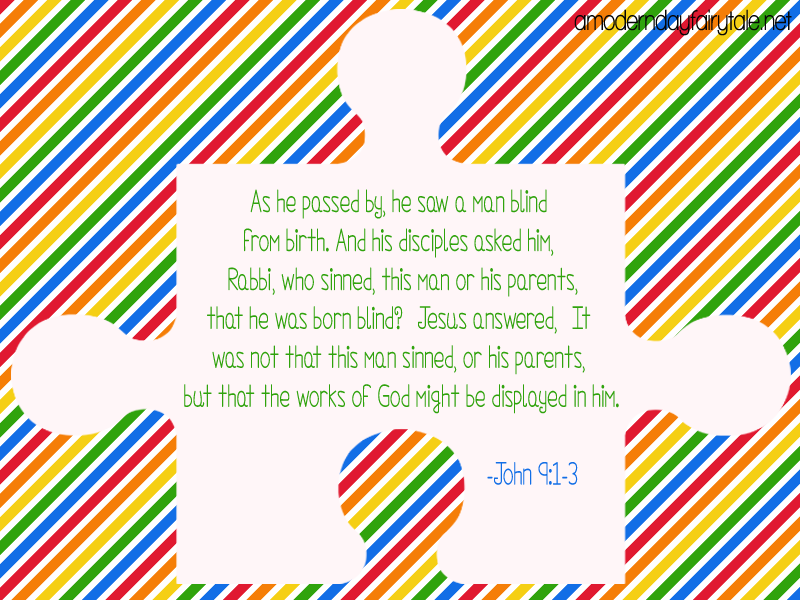
Have you ever wondered what the Bible has to say about autism? In today’s society, understanding and acceptance of neurodiversity are crucial for building a more inclusive community. Exploring the scriptures can offer insights and guidance on how we can better support individuals with autism and their families.
In this blog post, we will delve into the teachings of the Bible and discover the valuable lessons it provides on embracing differences, showing compassion, and fostering a sense of belonging for all individuals, including those with autism. By gaining a deeper understanding of how the Bible addresses diversity and inclusion, we can learn how to create a more supportive and inclusive environment for everyone in our communities.
Understanding Autism Through the Lens of the Bible: Insights and Perspectives
What Does the Bible Say About Autism
Autism spectrum disorder (ASD) is a developmental disorder that affects communication and behavior. Individuals with autism may have difficulty with social interactions, repetitive behaviors, and challenges in verbal and nonverbal communication. The Bible does not specifically mention autism by name, but there are principles and teachings that can be applied to understanding and supporting individuals with autism.
One important biblical principle is the value and dignity of every human life. In Genesis 1:27, it says that God created mankind in His own image, emphasizing the inherent worth and value of each individual. This includes those with autism, who are fearfully and wonderfully made by God (Psalm 139:14).
Moreover, the Bible teaches us about compassion and empathy towards those who are different or marginalized. Jesus Christ showed great compassion towards those who were considered outcasts or marginalized in society. He healed the sick, the blind, and the lame, showing us the importance of showing love and care for those who are vulnerable or different from us.
In 1 Corinthians 12:22-23, the apostle Paul writes, “The parts of the body that seem to be weaker are indispensable, and on those parts of the body that we think less honorable we bestow the greater honor.” This verse emphasizes the importance of valuing and honoring every member of the body of Christ, regardless of their differences or perceived weaknesses.
For individuals with autism and their families, the Bible offers comfort and hope. In times of struggle and difficulty, we can turn to God for strength and guidance. Philippians 4:6-7 reminds us to “Be anxious for nothing, but in everything by prayer and supplication, with thanksgiving, let your requests be made known to God; and the peace of God, which surpasses all understanding, will guard your hearts and minds through Christ Jesus.”
Overall, while the Bible may not directly address autism, its teachings on love, compassion, and the value of every human life provide a foundation for understanding and supporting individuals with autism. By following these principles, we can show love, acceptance, and support to those with autism, reflecting the heart of God towards all His children.
Who has autism in the Bible?
In the Bible, there is no specific mention of individuals with autism. However, there are instances where people exhibit behaviors that some modern scholars suggest could be related to autism. One example often cited is the man described in the Gospel of Mark, Chapter 9, who exhibits symptoms that some interpret as being potentially autistic, such as difficulty with social interactions and communication challenges. It’s important to note that the term “autism” as we understand it today was not known in biblical times, so it’s difficult to make a direct comparison. Nevertheless, some scholars have theorized that certain biblical figures could have displayed characteristics that align with what we now recognize as autism.
What does Jesus say about special needs?
In the Bible, Jesus emphasizes the importance of caring for individuals with special needs. He teaches that everyone is valuable and deserving of love and compassion, regardless of their abilities or differences. One key passage is found in the book of Matthew 25:40, where Jesus says, “Truly I tell you, whatever you did for one of the least of these brothers and sisters of mine, you did for me.” This highlights the significance of showing kindness and support to those who may be overlooked or marginalized in society. Jesus’ teachings underscore the need for inclusion, acceptance, and support for individuals with special needs, reflecting God’s unconditional love for all people.
What do Christians think of autism?
In Christianity, attitudes towards autism can vary among individuals and communities. Some Christians believe that autism is a condition that should be accepted and supported, just like any other physical or mental health issue. They may view individuals with autism as having unique gifts and talents that can be valuable to the community.
Others may see autism as a challenge that needs to be overcome or “cured.” This perspective can sometimes lead to misunderstandings or stigmatization of individuals with autism. However, many Christians are coming to recognize the diversity and value of all people, including those with autism, as part of God’s creation.
It is important to remember that Christian teachings emphasize love, acceptance, and understanding toward all individuals, regardless of their differences or abilities. Christians are encouraged to show compassion and support to those who may be marginalized or face challenges, including individuals with autism.
What does the Bible say about intellectual disabilities?
The Bible does not specifically address intellectual disabilities as we understand them today. However, it teaches us about the value and dignity of every human being, regardless of physical or mental abilities. In 1 Corinthians 12:22-23, it says, “The parts of the body that seem to be weaker are indispensable, and on those parts of the body that we think less honorable we bestow the greater honor.” This verse emphasizes the importance of every individual in the church or community, including those with intellectual disabilities.
Jesus also showed special care and compassion for those who were marginalized or considered less valuable by society. In Luke 14:13-14, he encourages us to invite the poor, the crippled, the lame, and the blind to our meals, highlighting the importance of inclusion and acceptance of all individuals, including those with disabilities.
Overall, while the Bible may not directly address intellectual disabilities, its teachings on love, compassion, and valuing every individual serve as a foundation for how we should treat and care for those with intellectual disabilities in our communities.