
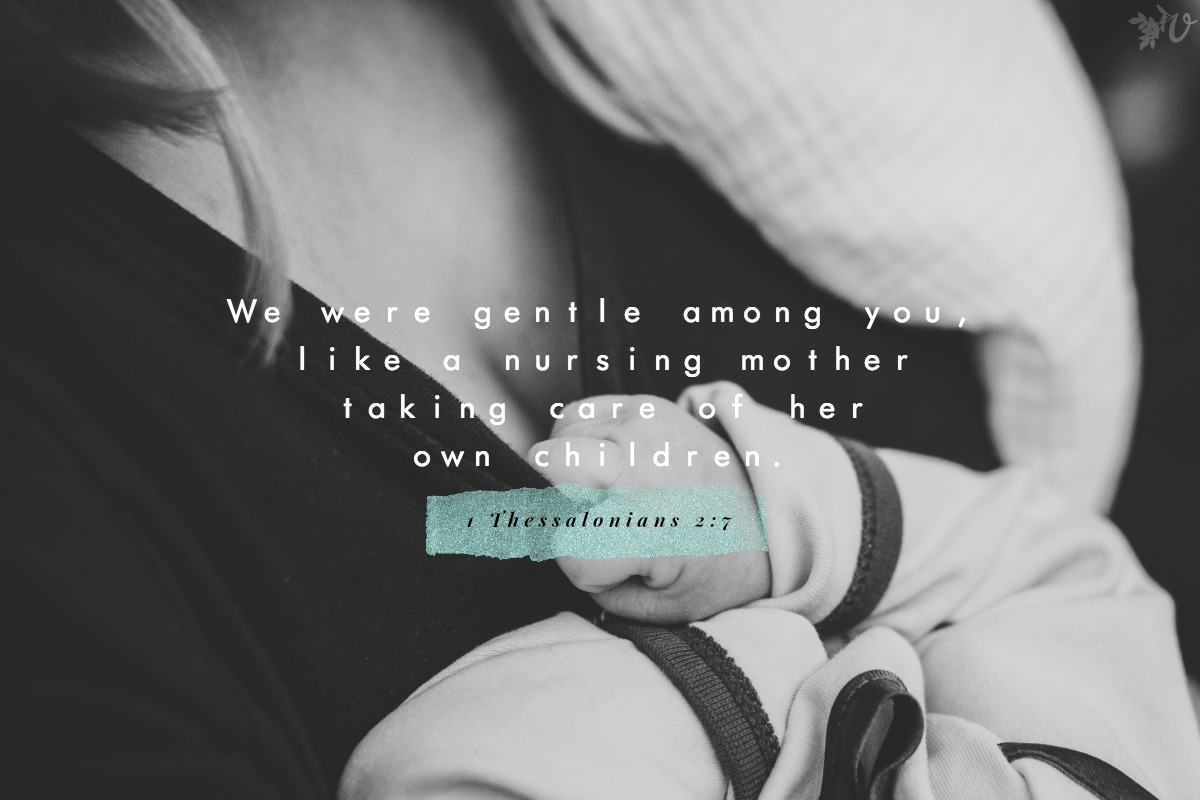
Have you ever wondered what the Bible says about breastfeeding? This natural and intimate act of nourishing a child has been practiced for centuries, but what does scripture have to say about it? In exploring this topic, we uncover beautiful passages that highlight the importance and benefits of breastfeeding according to the Bible.
Throughout the Bible, there are numerous references to breastfeeding that emphasize its significance and the bond it creates between mother and child. Not only does breastfeeding provide essential nutrients for a baby’s growth and development, but it also symbolizes care, protection, and love. Understanding what the Bible says about breastfeeding can deepen our appreciation for this God-given gift and inspire mothers to embrace this nurturing practice with reverence and gratitude.
Exploring the Biblical Perspective on Breastfeeding: Insights and Guidance
What Does the Bible Say About Breastfeeding
Breastfeeding is a natural and important aspect of motherhood that has been practiced for centuries. In the Bible, there are several references to breastfeeding that highlight its significance and spiritual symbolism.
One of the most well-known passages in the Bible about breastfeeding is found in the book of Genesis. In Genesis 21:7, after Sarah gives birth to Isaac, she says, “Who would have said to Abraham that Sarah would nurse children? Yet I have borne him a son in his old age.” This verse emphasizes the miraculous nature of childbirth and the nurturing role of mothers in feeding their children.
In another passage in the book of Lamentations, the author laments the suffering of Jerusalem and compares it to a woman who has lost her children. In Lamentations 2:12, it says, “They cry out to their mothers, ‘Where is bread and wine?’ as they faint like wounded men in the streets of the city, as their lives ebb away in their mothers’ arms.” This verse portrays the deep bond between a mother and her child, highlighting the importance of nourishment and care.
Additionally, in the New Testament, the apostle Paul uses the metaphor of breastfeeding to illustrate the concept of spiritual growth and maturity. In 1 Corinthians 3:2, he writes, “I gave you milk, not solid food, for you were not yet ready for it. Indeed, you are still not ready.” Here, Paul compares the basic teachings of faith to milk that is given to infants, emphasizing the need for believers to mature in their understanding of God’s Word.
Overall, the Bible portrays breastfeeding as a natural and nurturing act that reflects the bond between a mother and her child. It also conveys deeper spiritual truths about growth, sustenance, and care. As mothers breastfeed their children, they embody the love and provision that God offers to His people, illustrating the beauty of His creation and the abundance of His grace.
Does the Bible say anything about breast feeding?
Yes, the Bible does mention breastfeeding in several passages. One of the most well-known references is in Isaiah 49:15, where it says, “Can a mother forget the baby at her breast and have no compassion on the child she has borne? Though she may forget, I will not forget you!” This verse uses the image of a mother nursing her child to illustrate the depth of God’s love and care for His people. Additionally, 1 Corinthians 7:3-5 discusses the mutual responsibilities of husbands and wives in marriage, including the mention of a wife’s body belonging to her husband and vice versa, which can be seen as encompassing the physical act of breastfeeding as part of the marital relationship.
How long did mothers breastfeed in Biblical times?
In the Bible, mothers breastfed their children for an extended period of time compared to modern practices. The exact duration of breastfeeding varied among cultures and individuals during Biblical times. However, it was common for mothers to breastfeed their children for several years. For example, in the book of Genesis, it is mentioned that Sarah breastfed her son Isaac until he was weaned. Additionally, there are references in the Bible suggesting that mothers breastfed their children for at least two to three years. This prolonged period of nursing reflects the importance and significance of breastfeeding in ancient times.
What does the Bible say about weaning a baby?
In the Bible, there are a few references to weaning a baby. One notable mention is found in 1 Samuel 1:22-24, where it describes Hannah fulfilling her vow to the Lord after giving birth to Samuel. It says, “But Hannah did not go up, for she said to her husband, ‘As soon as the child is weaned, I will bring him, so that he may appear in the presence of the Lord and dwell there forever.'” This passage highlights the practice of weaning in ancient times and the significance of fulfilling vows made to the Lord.
Is it a sin not to breastfeed?
In the Bible, there is no direct command that states not breastfeeding is a sin. However, breastfeeding is encouraged and viewed as a natural and important aspect of caring for infants. In 1 Corinthians 7:3-5, it emphasizes the importance of mutual physical intimacy between husband and wife, which can be related to the act of breastfeeding as a natural part of caring for children. Ultimately, the decision to breastfeed or not is a personal one and should be made prayerfully and in consideration of what is best for both the mother and child.