
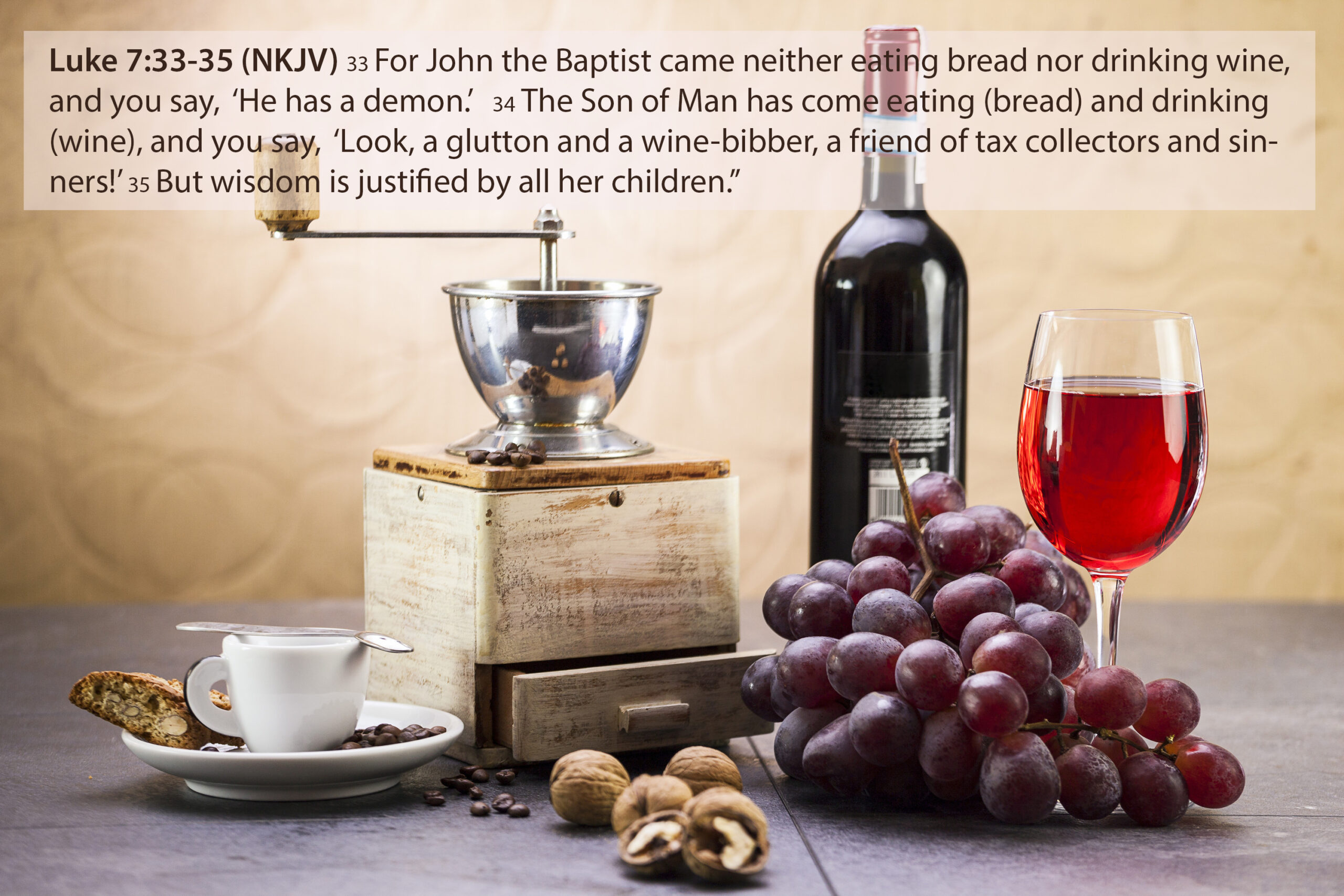
Have you ever wondered what the Bible has to say about coffee? Many of us start our day with a warm cup of coffee, finding comfort and energy in this beloved beverage. But beyond its taste and aroma, coffee can also provide us with an opportunity to reflect on biblical teachings and principles. In this blog post, we will explore the role of coffee in our lives and delve into what the Bible has to say about this popular drink.
Coffee, with its stimulating effects and social allure, can serve as a reminder of God’s abundant blessings and provision. From the simple pleasure of savoring a cup of coffee to the meaningful conversations shared over it, this beverage can enhance our gratitude and mindfulness. By examining the spiritual significance of coffee through the lens of the Bible, we can uncover valuable insights and deepen our appreciation for this daily indulgence. Join us on a journey to discover what the Bible reveals about coffee and how we can infuse our coffee rituals with faith and purpose.
The Divine Brew: Exploring Coffee’s Place in the Bible
What Does the Bible Say About Coffee
Coffee has become an integral part of many people’s daily routines, providing a much-needed caffeine boost to start the day or keep energy levels up throughout. But what does the Bible have to say about this popular beverage?
While the Bible does not directly mention coffee as we know it today, there are some principles and teachings that can be applied to our consumption of coffee. One such principle is moderation. In 1 Corinthians 6:12, it says, “I have the right to do anything,” you say—but not everything is beneficial. “I have the right to do anything”—but I will not be mastered by anything.” This verse reminds us that while coffee itself may not be inherently harmful, overindulgence or dependence on it can lead to negative consequences.
Additionally, the Bible teaches us to take care of our bodies, which are temples of the Holy Spirit (1 Corinthians 6:19-20). This means that we should be mindful of what we consume, including coffee, and ensure that it is not causing harm to our bodies or becoming a stumbling block in our spiritual walk.
Another aspect to consider is the intention behind our consumption of coffee. Colossians 3:17 says, “And whatever you do, whether in word or deed, do it all in the name of the Lord Jesus, giving thanks to God the Father through him.” This verse reminds us that even something as simple as drinking coffee can be done with gratitude and reverence for God.
In conclusion, while the Bible may not explicitly address coffee, there are principles and teachings that can guide our consumption of this beloved beverage. By practicing moderation, taking care of our bodies, and approaching coffee with intentionality and gratitude, we can enjoy our daily cup of coffee in a way that honors God.
Where is coffee mentioned in the Bible?
Coffee is not mentioned in the Bible. The drink that is most commonly associated with biblical references is wine. While coffee did not exist in biblical times, there are mentions of other drinks such as water, milk, and wine throughout the Bible.
Did they drink coffee in biblical times?
There is no direct mention of coffee in the Bible, as coffee as we know it today was not discovered until many centuries after biblical times. However, there are references to drinks such as wine and water in the Bible. In biblical times, people often drank wine, water, and sometimes milk. Coffee did not become a popular drink until much later in history, after it was discovered in Ethiopia in the 15th century. So, to answer your question, no, they did not drink coffee in biblical times.
Is coffee a means of grace?
In the context of the Bible, coffee itself is not considered a means of grace. The concept of “means of grace” typically refers to the ways in which God provides spiritual help and sustenance to believers, such as through prayer, Scripture, the sacraments, and the community of believers. While coffee can certainly be enjoyed and appreciated as a gift from God, it is not a specifically designated means of grace in the biblical sense.
What is Colossians 3 17?
Colossians 3:17 says: “And whatever you do, whether in word or deed, do it all in the name of the Lord Jesus, giving thanks to God the Father through him.“