
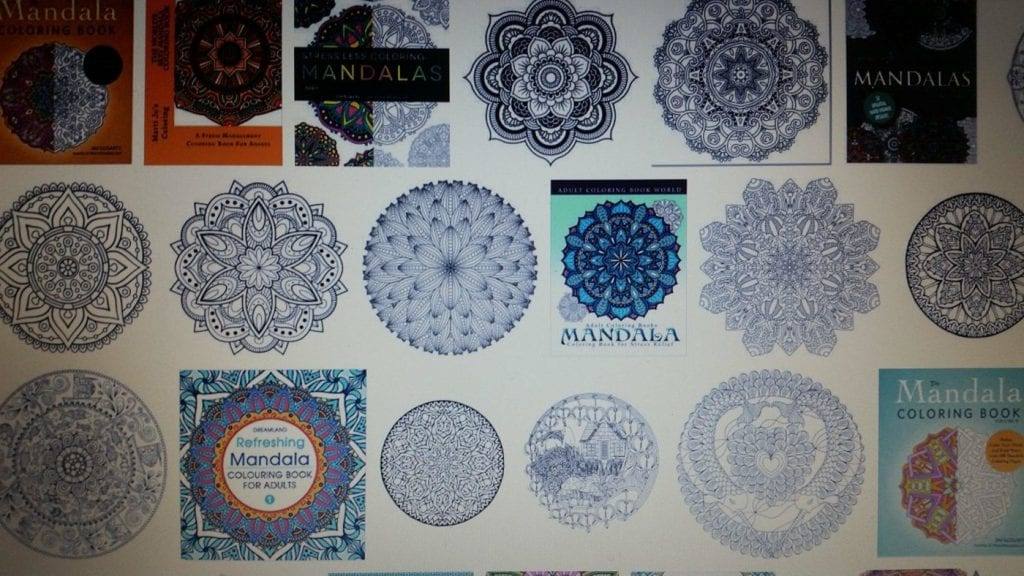
Have you ever wondered what the Bible has to say about mandalas? These intricate geometric designs have become increasingly popular in recent years for their aesthetic beauty and spiritual significance. In this blog post, we will explore the history of mandalas, their cultural significance, and most importantly, what the Bible teaches us about them.
As we delve into the topic of mandalas from a biblical perspective, we will uncover the spiritual benefits of these sacred symbols. Through examining relevant scriptures and understanding the context in which they were written, we can gain a deeper insight into how mandalas can enhance our faith journey and deepen our connection with God. Join us on this exploration of ancient art forms and divine wisdom as we seek to appreciate the beauty of mandalas in light of the teachings of the Bible.
Unlocking the Mysteries: Exploring the Biblical Perspective on Mandalas
Mandalas have become increasingly popular in modern Western society as a form of art therapy, meditation, and spiritual practice. But what does the Bible say about mandalas? Let’s delve into this topic and explore how it aligns with biblical teachings.
Mandalas are geometric patterns that are often used in Hinduism and Buddhism as a tool for focusing the mind and aiding in meditation. While mandalas themselves are not explicitly mentioned in the Bible, the concept of using art or symbols for spiritual purposes can be found throughout Scripture.
According to the Bible, God created mankind in His image, and part of that image includes creativity and artistic expression. In Exodus 31:1-5, we see that God filled Bezalel with the Spirit of God, with wisdom, understanding, knowledge, and all kinds of skills to make artistic designs for the tabernacle. This demonstrates that God values artistry and craftsmanship in the service of worship.
However, the Bible also warns against idolatry and worshiping false gods. In Exodus 20:4-5, God commands, “You shall not make for yourself an idol in the form of anything in heaven above or on the earth beneath or in the waters below. You shall not bow down to them or worship them.” This commandment cautions against putting any created thing above the Creator Himself.
So, where does this leave us with mandalas? For Christians, the key is to examine the intention behind creating or using mandalas. If the purpose is to center oneself, find peace, or express creativity in a way that honors God, then mandalas can be viewed as a positive tool. However, if the intent is to seek spiritual enlightenment or connect with forces outside of God, then it may be straying into dangerous territory.
Ultimately, the Bible encourages believers to fill their minds with whatever is true, noble, right, pure, lovely, and admirable (Philippians 4:8). If creating or meditating on mandalas helps individuals focus on these qualities and draw closer to God, then it can be a beneficial practice. As with any spiritual practice, discernment and prayer are essential in determining whether it aligns with God’s will for our lives.
What does mandala mean in Christianity?
In Christianity, mandala is not a concept found in the Bible or traditional Christian teachings. Mandala is typically associated with Hinduism and Buddhism, where it represents the universe and serves as a meditation tool. In Christian art or symbolism, there are no direct equivalents to the mandala. Christian artwork often focuses on biblical scenes, saints, or symbols like the cross or the fish, which carry specific religious meanings within Christianity.
What does mandala mean spiritually?
In the context of the Bible, mandala does not have a specific spiritual meaning. Mandalas are geometric patterns used in Hinduism and Buddhism to symbolize the universe, but they are not directly mentioned in the Bible or considered of special spiritual significance within Christian teachings. The focus of spirituality in Christianity is primarily on the worship of God, salvation through Jesus Christ, and living according to Biblical principles.
Is mandala good or bad?
In the context of the Bible, it is important to note that mandalas themselves are not explicitly mentioned. However, some Christians believe that using mandalas for meditative or spiritual practices may conflict with biblical teachings.
Good: Some may argue that incorporating mandalas into their spiritual practice can help them focus on God and His teachings, leading to a deeper connection with their faith.
Bad: On the other hand, some Christians view mandalas as potentially promoting New Age beliefs or practices that are not aligned with biblical teachings. They may see mandalas as a distraction from worshiping God in a way that honors Him.
Ultimately, whether mandalas are considered good or bad in the context of the Bible can vary based on individual beliefs and interpretations of scripture. It’s essential for each person to prayerfully consider how their use of mandalas aligns with their faith and relationship with God.
What religion is the mandala design?
The mandala design does not belong to a specific religion in the context of Bible. It is a spiritual and ritual symbol in Hinduism and Buddhism, representing the universe. In both religions, mandalas are used to aid meditation and serve as a guidance tool for establishing a sacred space. However, it is important to note that the Bible does not specifically mention or prescribe the use of mandalas.