
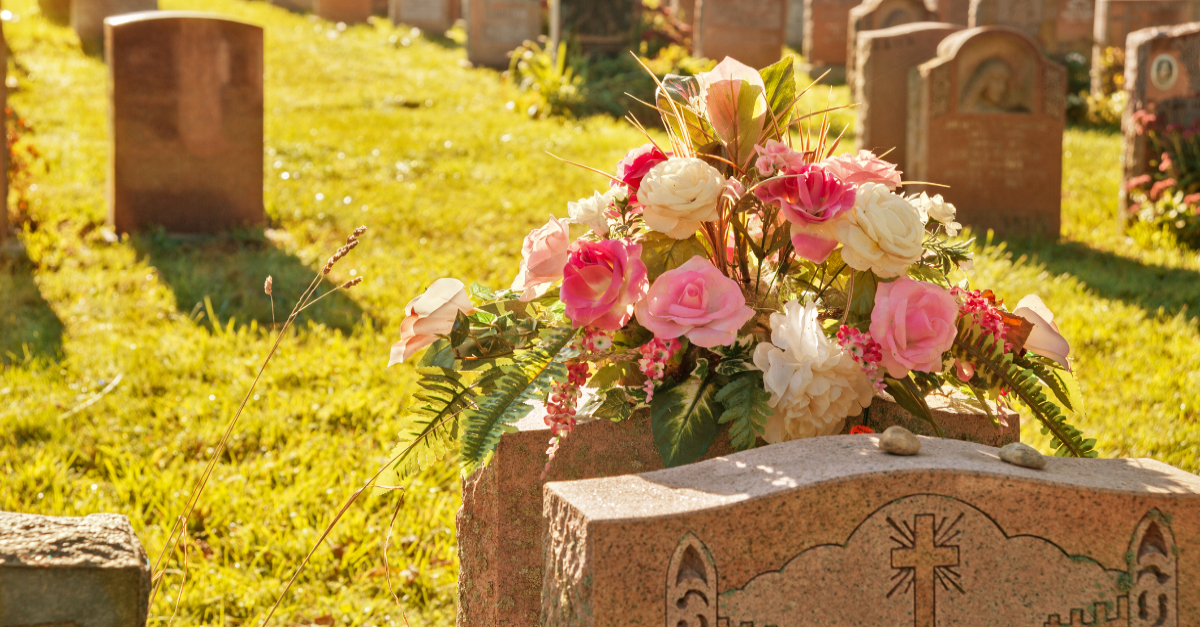
Have you ever wondered what the Bible says about visiting the grave? Many people find solace in visiting the final resting place of their loved ones, but is it something that is encouraged or discouraged in the Scriptures? In this blog post, we will explore the biblical perspective on visiting the grave and how it can provide comfort and closure during times of grief and loss.
Grief is a natural part of the human experience, and visiting the grave can be a way to honor the memory of those who have passed away. The Bible offers wisdom and guidance on how to navigate the emotions that come with loss, and visiting the grave can be one way to find peace and healing. By understanding what the Bible says about visiting the grave, we can gain a deeper appreciation for the significance of this act and how it can help us process our emotions in a healthy and meaningful way.
Exploring the Biblical Perspective on Visiting Graves: What Does the Bible Teach?
What Does the Bible Say About Visiting the Grave
Visiting the grave is a common practice in many cultures and religions, including Christianity. The Bible does not specifically address the act of visiting graves, but it does provide guidance and insight on death, mourning, and honoring the deceased.
One of the key teachings in the Bible regarding death is that it is a natural part of life. In Ecclesiastes 3:20, it states, “All go to one place. All are from the dust, and to dust all return.” This verse reminds us that death is inevitable and that all people will eventually return to the dust from which they came.
In terms of mourning and grieving for the dead, the Bible encourages believers to mourn but also to find comfort in the hope of the resurrection. 1 Thessalonians 4:13-18 speaks about the return of Jesus Christ and the resurrection of the dead, offering hope and solace to those who have lost loved ones.
When it comes to honoring the deceased, the Bible emphasizes the importance of remembering and respecting their memory. Proverbs 10:7 says, “The memory of the righteous is a blessing, but the name of the wicked will rot.” This verse highlights the value of remembering and honoring those who lived righteous lives.
Visiting the grave can be a way to pay respects to the departed and to find solace in their memory. While the Bible does not prescribe specific rituals or practices for visiting graves, it does encourage believers to honor the memory of the deceased and to find comfort in the hope of the resurrection.
Ultimately, visiting the grave is a personal decision that may bring solace and closure to those who have lost loved ones. It can serve as a reminder of the brevity of life and the hope of eternal life through faith in Jesus Christ.
Why is it important to visit the grave?
Visiting the grave can be important in the context of the Bible for a few reasons. First, it can provide a sense of closure and allow for the grieving process to take place. Secondly, visiting the grave can serve as a way to honor and remember the deceased individual, keeping their memory alive in our hearts and minds. Thirdly, it can be a time for reflection, prayer, and seeking comfort and guidance from God in times of loss and sadness. Overall, visiting the grave can be a meaningful and spiritual practice that helps us cope with the reality of death and find hope and peace in the promises of eternal life.
Is it OK to visit a cemetery?
Yes, it is okay to visit a cemetery according to the Bible. Visiting a cemetery to honor and remember loved ones is a common practice and is not considered wrong or against Biblical teachings. However, it is important to focus on honoring the memory of the deceased rather than engaging in any practices that may be contrary to Christian beliefs, such as communicating with the dead or participating in rituals that are not consistent with Biblical teachings.
How often should you visit a grave?
In the Bible, there is no specific guideline on how often one should visit a grave. The Bible does emphasize showing respect for the dead and honoring their memories, but it does not prescribe a frequency for visiting graves. Ultimately, the decision of how often to visit a grave is a personal one and may vary depending on individual beliefs, cultural norms, and personal relationships with the deceased.
What does the Bible say about disturbing a grave?
The Bible condemns disturbing a grave as it is considered disrespectful and dishonoring to the deceased. In the Book of Deuteronomy 27:17, it specifically states, “Cursed is anyone who moves their neighbor’s boundary stone.” This verse is interpreted by many scholars to include the idea of not disturbing graves, which serve as boundary markers for the dead. Additionally, in the New Testament, the act of disturbing a grave would go against the teachings of showing love, respect, and dignity to all individuals, even after death.