
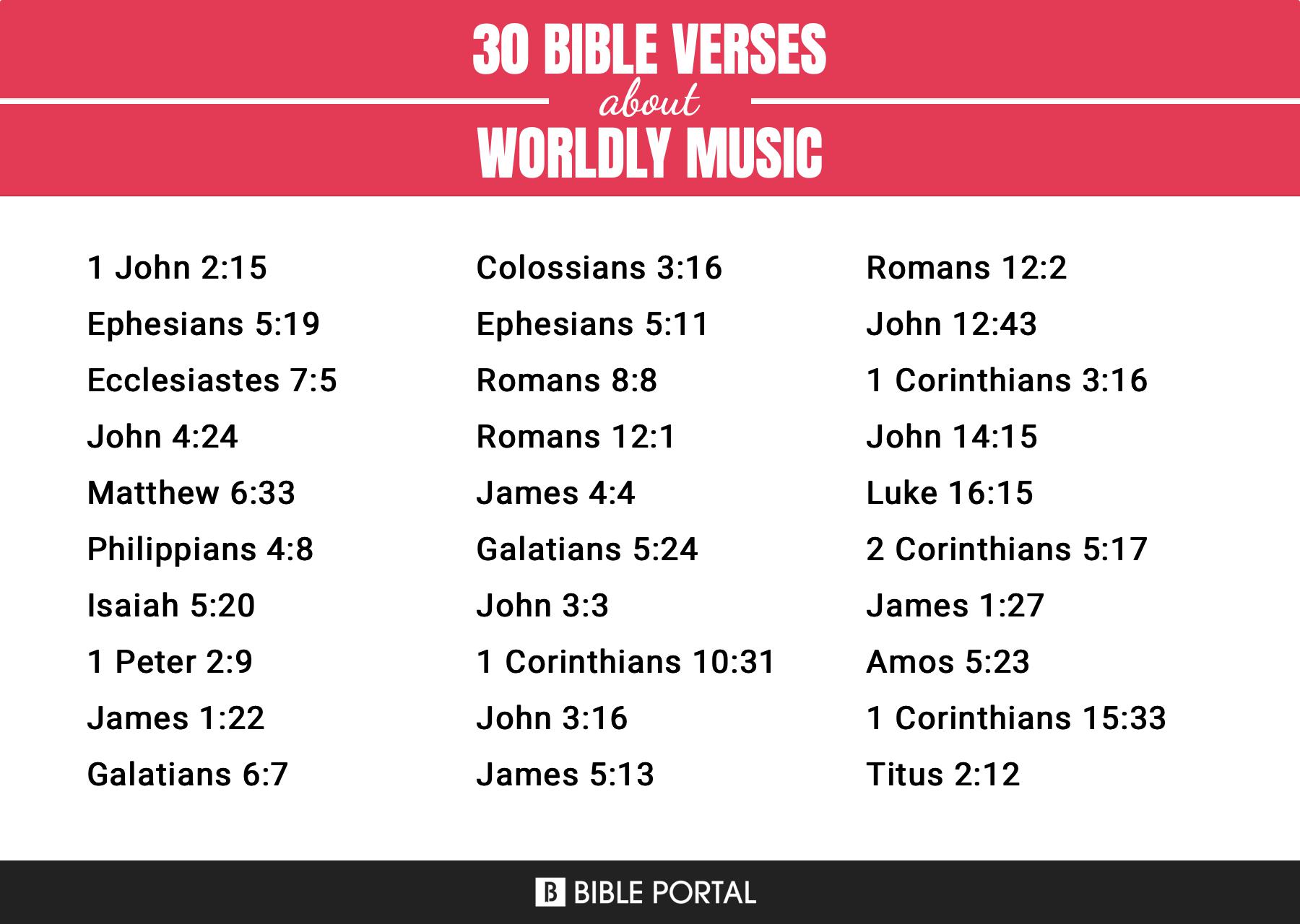
Have you ever wondered what the Bible says about worldly music? In a world filled with various genres and styles, it can be challenging to discern what is pleasing to God. In this blog post, we will explore what the Bible has to say about music that is not centered on glorifying Him. By understanding the principles outlined in Scripture, we can gain insight into how to approach this aspect of our lives in a way that honors God.
As we delve into this topic, we will uncover the importance of being intentional about the music we choose to listen to and the messages it conveys. By aligning our musical choices with biblical principles, we can cultivate a mindset that seeks to glorify God in all areas of our lives. Join us on this journey as we navigate through the complexities of worldly music and discover how we can use this form of art to uplift our spirits and draw closer to Him.
The Influence of Worldly Music: Exploring Biblical Perspectives
What Does the Bible Say About Worldly Music
When it comes to the topic of worldly music, Christians often find themselves caught in a tension between enjoying popular music and striving to live a godly life. The Bible does not explicitly mention “worldly music,” as we know it today, but it does provide guidance on how we should approach the influences of the world around us.
One key passage that is often referenced in discussions about music is found in Philippians 4:8, where the apostle Paul instructs believers to focus on things that are true, noble, right, pure, lovely, and admirable. This verse serves as a helpful guideline for evaluating the content and message of the music we choose to listen to.
Additionally, in Ephesians 5:19, believers are encouraged to “speak to one another with psalms, hymns, and songs from the Spirit.” This passage implies that music can be a powerful tool for worship and edification within the Christian community.
However, there are also warnings in the Bible about the potential dangers of being influenced by worldly values and desires. In 1 John 2:15-17, believers are urged not to love the world or anything in the world, as these things are opposed to God’s will.
Ultimately, the question of whether a particular song or genre of music is considered “worldly” is subjective and can vary based on individual convictions and cultural context. It is important for each believer to prayerfully discern what aligns with their values and glorifies God in their music choices.
In conclusion, while the Bible does not specifically address worldly music in modern terms, it does provide principles and guidelines for discerning what is pleasing to God. As believers, we are called to be mindful of the influences we allow into our lives and to use music as a means of worship and edification in accordance with God’s Word.
Is it OK for Christians to listen to music?
Yes, it is OK for Christians to listen to music. The Bible does not specifically forbid listening to music, but it does caution against listening to music that promotes sinful behavior or goes against Christian values. Christians should be mindful of the lyrics and messages in the music they listen to, making sure it aligns with their faith and values. Music in itself is not inherently bad, but it is important to guard our hearts and minds from any influences that may lead us away from God.
What is secular music according to the Bible?
Secular music, according to the Bible, refers to music that is not explicitly religious in nature and does not glorify God. While the Bible does not directly condemn secular music, it does provide guidelines on what kind of music Christians should engage with. In Ephesians 5:19, it says to “Speak to one another with psalms, hymns, and spiritual songs. Sing and make music from your heart to the Lord.”
Colossians 3:16 also encourages believers to sing “psalms, hymns, and spiritual songs” with gratitude in their hearts to God. This implies that music should be used for worship and edification rather than for worldly purposes. Additionally, 1 John 2:15-17 warns against loving the world and the things in it, which could include secular music that promotes values contrary to those found in the Bible.
Ultimately, whether or not to listen to secular music is a personal decision that each believer must make based on their convictions and the guidance of the Holy Spirit. It is important for Christians to discern what aligns with biblical principles and edifies their faith when it comes to the music they choose to listen to.
What does the Bible say about types of music?
The Bible does not specifically mention different types of music, but it does give guidance on the attitude and purpose behind music.
Colossians 3:16 says, “Let the message of Christ dwell among you richly as you teach and admonish one another with all wisdom through psalms, hymns, and songs from the Spirit, singing to God with gratitude in your hearts.”
This verse shows that music can be used for teaching, encouraging, and expressing gratitude to God. It emphasizes that the content and purpose of the music should align with the message of Christ.
In Amos 5:23, God expresses disdain for insincere worship, saying, “Away with the noise of your songs! I will not listen to the music of your harps.” This highlights the importance of sincerity and genuine worship in music.
Overall, the Bible encourages believers to use music to glorify God, edify one another, and worship Him sincerely, regardless of the specific style or genre of music.
What does God say about the music we listen to?
In the Bible, there isn’t a specific verse that addresses the music we listen to in modern times. However, there are principles that can guide our choices. Philippians 4:8 instructs us to think about things that are true, noble, right, pure, lovely, and admirable. This applies to the music we listen to as well. If the lyrics and message of a song align with these qualities, then it is likely acceptable for Christians to listen to. Ultimately, our music choices should honor God and reflect the values of the Kingdom.