
Have you ever wondered what happened to Antipas in the Bible, and why his story is not as well-known as other figures in the scriptures? Delving into the account of Antipas provides a unique opportunity to uncover hidden gems of wisdom and faith that can inspire and strengthen our own journey of faith. Despite his lesser-known status, Antipas plays a significant role in the biblical narrative, offering valuable lessons that resonate with believers today.
Exploring the life of Antipas in the Bible not only sheds light on a lesser-known character, but also serves as a reminder of the diverse stories and experiences captured within the pages of scripture. By delving into the details of Antipas’ life and the events surrounding him, we can gain a deeper understanding of God’s sovereignty, the struggles faced by early Christians, and the enduring power of faith in the face of adversity. Join us on this exploration of Antipas’ story as we uncover hidden truths and timeless lessons that can enrich our own spiritual journey.
The Fate of Antipas: Unraveling His Story in the Bible
What Happened to Antipas in the Bible
Antipas is a figure mentioned in the New Testament who is also known as Herod Antipas. He was a son of Herod the Great and ruled as a tetrarch in Galilee and Perea from 4 BC to 39 AD. Antipas plays a significant role in the Gospels, particularly in relation to the ministry of John the Baptist and Jesus Christ.
One of the most well-known events involving Antipas is his marriage to Herodias, who was previously married to his brother, Philip. This union was widely condemned as unlawful according to Jewish law, as it involved marrying one’s brother’s wife. John the Baptist publicly criticized this marriage, leading to his arrest by Antipas.
In the Gospel of Matthew (14:1-12) and the Gospel of Mark (6:14-29), we read about the circumstances surrounding the death of John the Baptist. Antipas, influenced by Herodias, ultimately ordered the execution of John to fulfill a promise he had made at a banquet.
Later, Antipas encounters Jesus Christ during his ministry. In the Gospel of Luke (23:6-12), we learn that when Jesus was brought before Antipas by the chief priests and scribes, Antipas hoped to see Jesus perform a miracle. However, Jesus remained silent before him, and Antipas, along with his soldiers, mocked Jesus and sent him back to Pilate.
Antipas’s rule eventually came to an end when he fell out of favor with the Roman Emperor Caligula, who exiled him to Gaul. This marked the conclusion of Antipas’s reign as tetrarch, and he disappeared from historical records after this event.
In summary, Antipas’s actions in the Bible, particularly his role in the death of John the Baptist and his encounter with Jesus Christ, highlight the complex political and religious dynamics of the time. His story serves as a cautionary tale about the consequences of power and the choices one makes in the face of moral dilemmas.
What did Herod Antipas do to Jesus?
Herod Antipas did not personally harm Jesus. However, he was involved in the events leading up to Jesus’ crucifixion. According to the Bible, Pontius Pilate, the Roman governor of Judea, sent Jesus to Herod Antipas as Jesus was originally from Galilee, which was under Herod Antipas’ jurisdiction. Herod Antipas questioned Jesus but did not find any fault with him. Ultimately, Herod Antipas sent Jesus back to Pontius Pilate, who then sentenced Jesus to be crucified.
What is the meaning of the name Antipas?
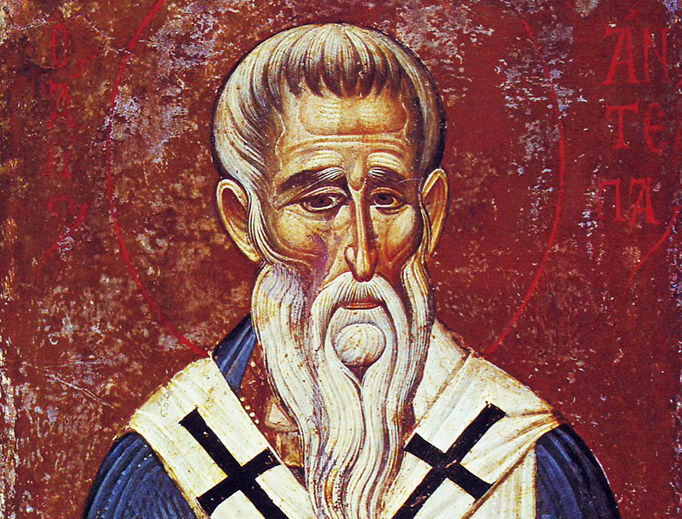
In the Bible, the name Antipas is mentioned in the Book of Revelation. Antipas was a Christian martyr who is believed to have been a faithful follower of Jesus Christ. His name means “against all” or “like the father.” Antipas is commended for his faithfulness even to the point of death in the letter to the church in Pergamum (Revelation 2:13).
What is the white stone in Revelation?
In the Book of Revelation, the white stone is mentioned in Revelation 2:17. The verse states, “To the one who is victorious, I will give some of the hidden manna. I will also give that person a white stone with a new name written on it, known only to the one who receives it.”
The meaning of the white stone is not explicitly explained in the Bible, leading to various interpretations among scholars and theologians. Some believe that the white stone symbolizes purity, victory, or access to heavenly rewards. Others suggest that the new name written on the stone represents a special relationship or intimacy with God.
Overall, the white stone remains a mysterious symbol in the Book of Revelation, inviting readers to reflect on its significance and implications for their faith journey.
What is the morning star in the Bible?
In the Bible, the morning star is a symbolic term used to refer to Jesus Christ. In the book of Revelation 22:16, Jesus himself says, “I, Jesus, have sent my angel to give you this testimony for the churches. I am the Root and the Offspring of David, and the bright Morning Star.” This designation emphasizes Jesus’ role as a source of light, hope, and guidance to believers.